
Flowers
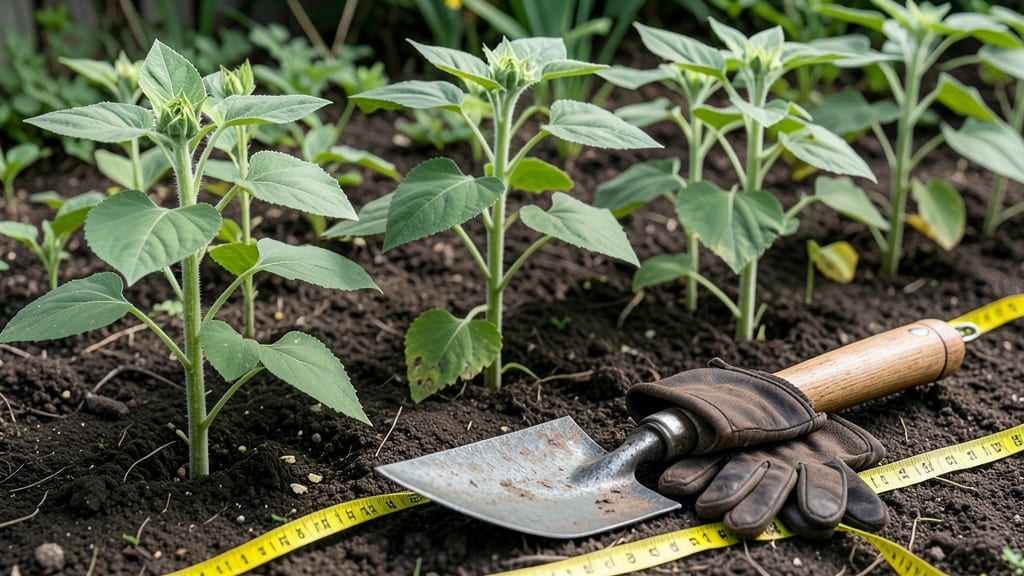
Timing your sunflower planting in Phoenix isn't just about the calendar—it's about outsmarting the desert's relentless heat. Skip the summer rush, and you'll miss the 3-foot-tall giants that thrive when planted right. The key? Start seeds between December and February, when cooler temps give young plants a fighting chance.
Phoenix's Zone 9b climate means no frost to worry about, but heat stress is your real enemy. Plant too early, and your sunflowers 🌻 will bolt before blooming.
Too late, and they'll struggle to reach their full 10-foot potential. I've learned the hard way—here's how to get it right the first time.
Beyond the calendar, soil prep and watering make all the difference. Well-draining soil and deep watering (but not too much) are non-negotiables. Let me walk you through the exact steps that've helped my sunflowers beat the heat and reach for the sky.
Ready to grow sunflowers that put on a show? I'll cover the best varieties for Phoenix, microclimate tricks, and how to keep your plants happy through 110°F days. Let's make your garden the talk of the neighborhood.
Best sunflower planting windows in Phoenix (with heat-tolerance tips)
Timing is everything when growing sunflowers in Phoenix, where 110°F+ temperatures can fry tender seedlings. The key is planting during cooler winter months when soil temps stay below 80°F—typically December through February. This gives your sunflowers time to establish roots before the brutal summer heat arrives.
Phoenix’s USDA Zone 10a-11a means no frost to worry about, but heat stress is your real enemy. Sunflowers planted too early (like October) may bolt prematurely, while those planted too late (March+) often wilt before flowering. The ideal window balances cool soil temps with enough daylight for growth.
Here’s how I adjust planting for Phoenix’s extremes:
For maximum success, I recommend planting directly in the ground after the first soaking winter rains (typically late November). This ensures moisture retention and reduces the need for frequent watering.
If you’re using containers, start seeds indoors 4-6 weeks before your target outdoor date to give them a head start.
Pro tip: Pre-soak seeds for 24 hours before planting to speed up germination in Phoenix’s dry soil. I also mix compost into the planting hole to improve water retention without compacting the soil—critical for preventing root rot in the heat.
Watch for heat stress signs like yellowing leaves or wilting stems. If temps exceed 95°F for more than 3 days, provide afternoon shade with a lightweight row cover until conditions cool. My go-to variety for Phoenix is 'Moulin Rouge'—its red-petaled blooms tolerate heat better than standard yellow types.
Remember: Sunflowers need full sun, but Phoenix’s intensity can be overwhelming. A south-facing location with 6+ hours of direct light is ideal, but avoid planting near reflective surfaces (like driveways) that amplify heat. Mulch heavily with straw or wood chips to keep roots cool and retain moisture.
With the right timing and care, you’ll enjoy sunflowers blooming from March to June, long after most gardeners have given up. The secret? Plant early, water deeply, and protect from peak heat—just like I do in my own Phoenix garden.
How to adjust sunflower planting for Phoenix’s microclimates (urban vs. desert)
Phoenix’s climate isn’t one-size-fits-all—urban heat islands can be 10-15°F hotter than desert outskirts, creating wildly different growing conditions for your sunflowers. If you’re planting in downtown Phoenix, your microclimate behaves more like a tropical desert than the traditional Sonoran landscape.
Meanwhile, areas like Scottsdale or Paradise Valley offer slightly cooler nights and less intense afternoon sun.
For urban gardeners, the key is shade management and water retention. Pavement and concrete absorb heat, radiating it back to your plants—mulching with 3-4 inches of straw can reduce soil temps by 5-10°F.
In desert outskirts, focus on deep watering schedules and wind protection, as exposed areas dry out faster and face stronger afternoon breezes.
Neighborhood-specific adjustments matter too. In south Phoenix, where temps can hit 110°F+, opt for dwarf varieties like ‘Teddy Bear’ (3-4 ft tall) to avoid heat stress. In north Phoenix, where cooler nights prevail, standard varieties like ‘Moulin Rouge’ (8-10 ft) can handle the transition from winter planting to summer growth without bolting prematurely.
Soil prep also shifts by location. Urban soils often compacted and lack organic matter, so amend with compost or aged manure before planting. Desert soils, while well-draining, may need gypsum to break up clay layers. In both cases, test soil pH—sunflowers prefer 6.0-7.0, and Phoenix’s alkaline soils often skew higher.
Watering schedules are your biggest variable. Urban sunflowers may need daily watering during April-June, while desert sunflowers can stretch 10-14 days between deep waterings. Use drip irrigation to avoid wetting leaves (which invites powdery mildew in Phoenix’s humidity spikes). For container-grown sunflowers, water every 2-3 days—small pots dry out 3x faster than in-ground beds.
Finally, pollinators behave differently by microclimate. Urban areas attract more bees and butterflies due to nearby gardens, while desert sunflowers rely on native insects like sweat bees. If you’re growing seed varieties, hand-pollinate in low-pollinator urban zones by gently shaking flower heads on dry mornings.