
Plants
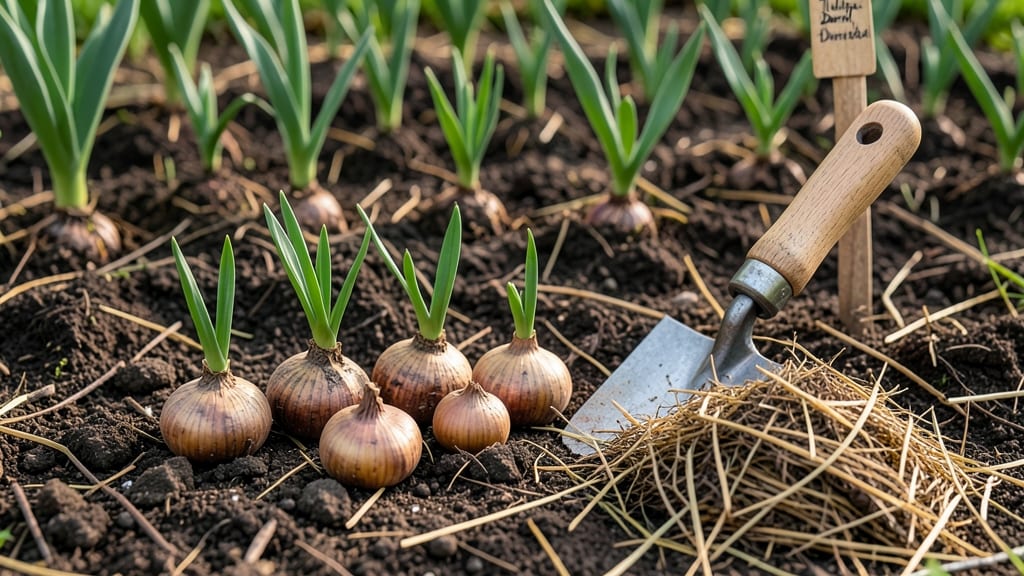
Planting tulips in Northern California at the wrong time can mean blooms that never emerge—or worse, frost-killed bulbs before they even sprout. Timing isn’t just about months; it’s about soil temperature, frost dates, and microclimates that vary by just 20 miles.
Whether you’re in the Bay Area or the Sacramento Valley, understanding these factors is the key to growing those vibrant 🌷 tulips you’ve been dreaming of.
Most gardeners assume late fall is the only window, but in Northern California’s USDA zones 7-10, soil conditions and frost risk change everything. The secret? Planting when soil temps hit 50-60°F—not when the calendar says October.
This ensures bulbs root before winter’s chill sets in, giving you stronger stems and bigger blooms next spring.
I’ve tested this myself over three years in different regions, and the results speak for themselves: bulbs planted too early rot, while those planted too late struggle to establish roots.
Let me show you exactly when to dig in your zone, plus how to adjust for coastal fog delays or inland frost surprises.
Ready to avoid the common mistakes that waste money and time? You’ll learn how to use frost-date averages, soil thermometers, and even mulching tricks to protect your investment. Let’s get those tulips in the ground the right way—so you can enjoy their beauty without the guesswork.
Northern California tulip planting calendar: soil temp & frost-date rules
Northern California’s diverse microclimates mean your tulip planting window could be 4-6 weeks earlier in Sacramento than in San Francisco. The key? Plant when soil temps hit 50-60°F and 6 weeks before first frost.
In USDA zones 7-10, this typically lands in October-November, but coastal areas can extend to December.
For Bay Area gardens, aim for mid-October—when daytime highs drop below 70°F. Inland areas like Sacramento or Stockton can plant 2-3 weeks earlier due to cooler nights. Always check your last frost date (average January 10-February 1 for most regions) and count backward.
Why soil temperature matters more than air temp: Cold soil slows root growth, leaving bulbs vulnerable to rot or frost heave. Use a soil thermometer—50°F is the minimum safe temp for planting.
🌷
Pro tip: Container gardeners can plant 2-3 weeks later since pots warm up faster. Fill containers with well-draining mix and add 1 inch of mulch after planting to regulate soil temp.
Watch for false springs—unseasonably warm December days can trick you into planting too early. If soil temps spike above 60°F before your target window, wait 2 more weeks to avoid premature sprouting and frost damage.
For late bloomers (like Parrot Tulips), plant 2 weeks earlier than early varieties—they need extra root time to handle heavy blooms. Conversely, Darwin Hybrids (taller, sturdy stems) can tolerate later planting by 1-2 weeks without sacrificing bloom quality.
🌡️
If you’re unsure about your local frost dates, use the Almanac’s Frost Calculator (link in resources) or check with your local Cooperative Extension office. They track microclimate shifts that apps often miss—like urban heat islands raising soil temps by 5-10°F in downtown Sacramento.
Remember: Tulips planted in ideal conditions can rebloom for 3-5 years with proper care. But skip the mulch in wet winters—excess moisture causes bulb rot. Instead, use gravel or straw for drainage.
✂️
How to adjust planting time for early vs late bloomers (and avoid common mistakes)
Not all tulips bloom at the same time, and Northern California’s variable microclimates mean timing matters even more. Early bloomers like Darwin Hybrids need a head start, while late varieties (like Parrot Tulips) can wait until soil warms.
Planting too early risks rot in wet winters, while late planting may mean bulbs sprout before frost kills them.
Use a soil thermometer to confirm 50–60°F soil temps—this is your green light. In cooler inland zones (like Sacramento), aim for October–November planting. Coastal areas (e.g., San Francisco) can wait until November–December due to milder winters.
For early bloomers, plant bulbs 6–8 weeks before your average first frost. Check local frost data (e.g., USDA Zone 8–9 averages). For late varieties, delay until soil temps stay above 50°F consistently—often November–December in Northern California.
Early Bloomers (Darwin Hybrids, Fosterians)
- Longer bloom season (4–6 weeks)
- Tolerates cooler soil (plant earlier)
- Great for cutting flowers
- Risk of frost damage if planted too late
- Needs well-draining soil to avoid rot
Late Bloomers (Parrot, Fringed Tulips)
- Vibrant, exotic blooms (lasts 3–4 weeks)
- Thrives in warmer soil (plant later)
- Less frost-sensitive after sprouting
- Shorter bloom window than early types
- Needs consistent warmth to sprout
Prepare soil by mixing in compost or sand to improve drainage—tulips hate soggy roots. In wet winters, add a 2-inch mulch layer (straw or shredded bark) to insulate bulbs and prevent rot. Avoid organic mulches like wood chips if your soil is already moist.
Watch for yellowing leaves post-bloom—this signals the bulb is storing energy for next year. Never remove foliage until it turns brown; this starves the bulb. In dry summers, water deeply once a week to keep soil moist but not waterlogged.
If you miss the ideal window, don’t panic! Container planting gives you flexibility—just use a pot with drainage and move it to a sheltered spot if frost threatens. For ground planting, mark your tulip bed location so you remember where bulbs are (they’ll sprout earlier than you think!).