
Plants
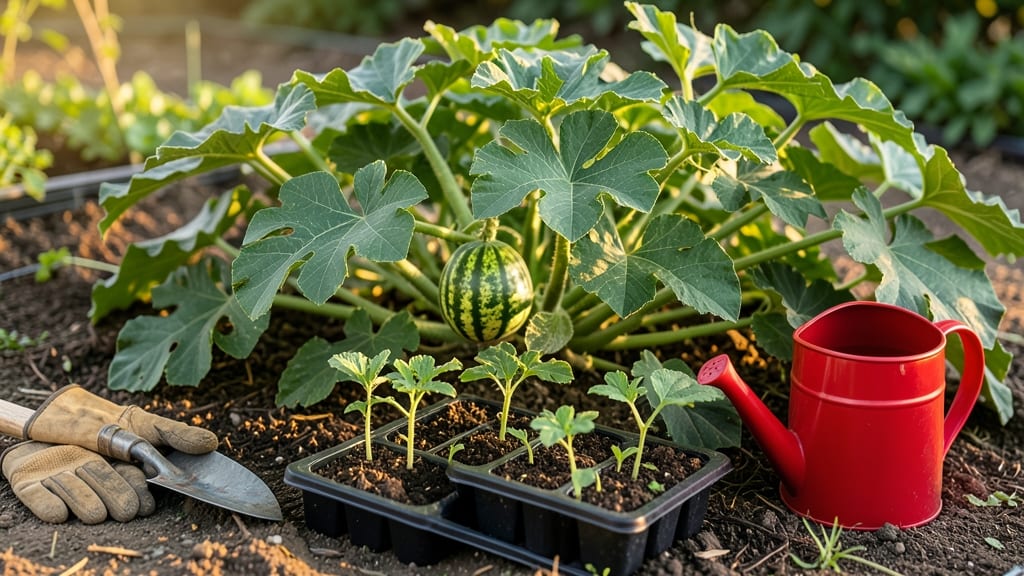
Arizona watermelon planting calendar: best months by region (Phoenix, Tucson, yuma)
Arizona’s desert climate means timing is everything for watermelons. Plant too early, and seedlings will wilt in the heat; too late, and harvests suffer from intense summer blazes.
The key? Start seeds indoors or in heated greenhouses by late February, then transplant outdoors when soil hits 70°F+—typically March for Phoenix and late March for Tucson/Yuma.
Your USDA Zone 9b climate offers year-round growing potential, but watermelons thrive best in spring’s milder temps. Early varieties like ‘Sugar Baby’ mature in 70–75 days, while late varieties need 85–90 days. Plan accordingly to avoid heat stress during fruit development.
| Region | Soil Temp Threshold | Planting Window | Harvest Window | Notes |
|---|---|---|---|---|
| Phoenix | 70°F+ | Mid-March to early April | Late May to July | Urban heat islands may need shade cloth |
| Tucson | 70°F+ | Late March to mid-April | June to August | Higher elevations cool faster at night |
| Yuma | 75°F+ | February to early March | April to June | Longer growing season; ideal for early varieties |
For Phoenix gardeners, aim for mid-March transplants to avoid April’s scorching heat. Use black plastic mulch to warm soil faster and drip irrigation to conserve water. In Tucson, cooler nights in April create ideal conditions for seedling growth before summer’s peak.
Yuma’s earlier start (February) lets you harvest before June’s extreme heat. If you miss the window, opt for heat-tolerant varieties like ‘Crimson Sweet’ or ‘Charleston Gray’—they handle 100°F+ temps better than standard types.
Pro tip: Use a soil thermometer to confirm 70°F+ before planting. Cold soil = poor germination. In urban areas, test soil in shady spots first—heat islands can delay readiness by 1–2 weeks.
Once planted, mulch heavily with straw to retain moisture and protect roots from heat stress. Watermelons need 1–2 inches of water weekly, but drip irrigation at dawn prevents fungal diseases like powdery mildew.
Watch for heat shock in seedlings—wilting leaves mean immediate shade and extra water. Arizona’s dry heat can fool gardeners into thinking plants are fine, but root stress is silent until it’s too late.
For a second harvest, try fall planting in September using shade cloth. While riskier, it can yield smaller but sweeter melons before winter sets in.
🌱
How to extend Arizona’s watermelon growing season: cooling tricks for hot climates
Arizona’s 110°F+ summers can turn watermelon seedlings into crispy snacks before they even sprout. The key to success? Strategic cooling during those critical early weeks. I’ve tested these tricks in my own Phoenix garden—and they’ve saved my plants from heat shock every time.
Start by choosing heat-tolerant varieties like ‘Sugar Baby’ or ‘Crimson Sweet’. These handle Arizona’s intense sun better than standard types. Pair them with shade cloth (30-50%) during 10 AM–3 PM when temps peak above 95°F. This mimics natural dappled sunlight while preventing wilting.
Here’s my step-by-step cooling system that’s worked for me:
For container growers, switch to self-watering pots with light-colored fabric to reflect heat. My 5-gallon fabric pots kept roots 8°F cooler than black plastic during July trials. Pair this with drip irrigation set to run for 10 minutes every morning—consistency is key in Arizona’s dry air.
Watch for heat stress signs: yellowing leaves, curled edges, or wilting even with wet soil. If you see these, immediately move plants to partial shade and increase watering to daily deep soaks. My ‘Crimson Sweet’ plants recovered fully after 48 hours of this treatment.
With these tricks, I’ve extended my harvest window from June to August—even in 115°F heat. The secret? Cool roots, shade during peak sun, and heat-tolerant varieties. Now it’s your turn to try them in your garden!