
Plants
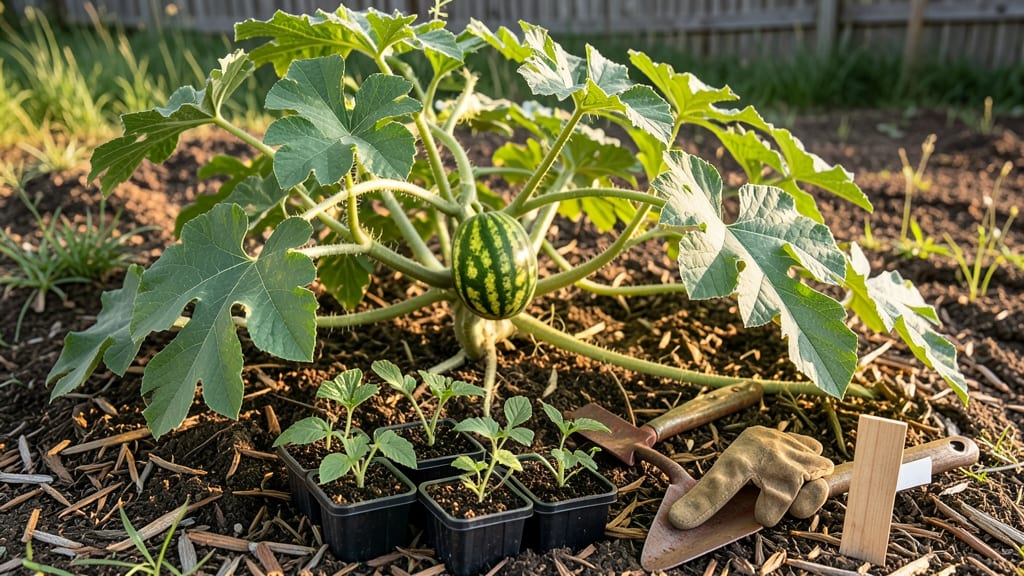
South Carolina watermelon planting calendar: frost-free dates by county
Timing your watermelon planting in South Carolina depends on your county’s last frost date and USDA Zone. Most of the state falls in Zone 7b-8a, but coastal areas (like Charleston) warm up faster than Piedmont regions (like Greenville).
For example, Charleston County typically sees its last frost by March 15, while Greenville County waits until April 1 or later. Always check your local Cooperative Extension Service for updates, as frost dates shift yearly.
Watermelons need soil temperatures of 70°F+ and 6-10 hours of sunlight daily. Planting too early risks cold soil, which stunts growth, while waiting too long may cut your harvest short.
In Zone 8a (coastal SC), you can start as early as late March, but Zone 7b (Upstate) should wait until mid-April. Use a soil thermometer to confirm readiness—60°F is the minimum for germination, but 70°F+ speeds up growth.
🌱 South Carolina Watermelon Planting Guide by County
| County | USDA Zone | Last Frost Date | Ideal Planting Window | Harvest Window |
|---|---|---|---|---|
| Charleston | 8a | Mid-March | Late March–Early April | June–September |
| Beaufort | 8a | Late March | Early April–Mid-April | June–September |
| Columbia | 8a | Early April | Mid-April–Late April | July–September |
| Greenville | 7b | Mid-April | Late April–Early May | July–Early September |
| Spartanburg | 7b | Late April | Early May–Mid-May | July–August |
*Adjust for microclimates: Urban areas (e.g., Charleston) may warm faster; high-altitude spots (e.g., Caesars Head) delay planting by 2-3 weeks.
For direct sowing (planting seeds outdoors), wait until all frost risk has passed and soil is 70°F+. In Zone 8a, this is typically late March to early April, while Zone 7b gardeners should hold off until mid-April.
If you’re transplanting seedlings, start them indoors 4-6 weeks before your last frost date. For example, Greenville County gardeners should begin seedlings indoors by mid-March to transplant by late April.
Microclimates play a huge role in SC. Coastal areas like Hilton Head can plant 2-3 weeks earlier than inland spots due to warmer ocean breezes. Conversely, Upstate regions (e.g., Landrum) may need to delay planting by 1-2 weeks to avoid late frosts.
Use a frost calendar from your local Extension office or track nighttime lows on apps like Weather Underground.
If you’re in doubt, opt for heat-tolerant varieties like ‘Crimson Sweet’ (70 days to maturity) or ‘Sugar Baby’ (80 days), which handle shortened seasons better than slower varieties.
For longer harvest windows, try ‘Charleston Gray’, a local favorite that thrives in Zone 8a’s humidity. Always space vines 6
How to extend your watermelon season in South Carolina: tips for early/late planting
South Carolina’s short growing season can feel like a race against time for watermelon lovers. But with the right tricks, you can push your harvest window by weeks—even months!
Whether you’re in the coastal humidity of Charleston or the hotter Piedmont of Columbia, these strategies will help you grow watermelons earlier or later than the typical April-June planting window.
First, calculate your true frost-free date. While averages suggest mid-April for most of SC, urban areas like Greenville or Spartanburg can stay cooler longer. Use a local weather station or SC State Climate Office data to find your actual last frost date—then add 2-3 weeks for safety.
For late plantings, aim for early June in Zone 7b and mid-June in Zone 8a.
Black plastic mulch is my secret weapon for early starts. Lay it down 2-3 weeks before planting to warm the soil 5-10°F faster than bare ground. Pair it with row covers (remove when flowers appear) to shield young plants from late-spring chills. Pro tip: Use clear plastic in coastal areas to trap extra heat without trapping humidity.
- 1. Start seeds indoors 3-4 weeks before your last frost date in biodegradable pots to transplant shock-free.
- 2. Use heat-tolerant varieties like ‘Sugar Baby’ (70 days) or ‘Crimson Sweet’ (80 days) for late plantings.
- 3. Warm soil faster with black plastic mulch or a soil warming cable for early starts.
- 4. Protect with row covers until vines are 12+ inches long, then remove to prevent flower damage.
- 5. Try a second planting in early July for fall harvests—choose fast-maturing varieties (60-70 days).
For high-altitude areas like the Blue Ridge (USDA Zone 7b), focus on shorter-season varieties and early planting. Plant ‘Early Golden Midget’ (65 days) around April 15th and use cold frames to extend the season.
In coastal zones (8a/8b), you can push late plantings into June 1st if you use drip irrigation to keep soil temps stable.
Watering is critical for extended seasons. Drip irrigation keeps soil consistently moist without wetting leaves (which spreads disease). In late plantings, water deeply every morning to encourage root growth before the heat peaks.
Avoid overhead watering after 6 PM—this reduces fungal risks like powdery mildew, which thrives in SC’s humid summers.
Finally, monitor your plants’ stress signs. Wilting vines in late summer? It’s often heat stress, not drought. Provide afternoon shade cloth (30-50% shade) during August’s 90°F+ days to protect fruit from sunscald.
With these adjustments, you can enjoy homegrown watermelons from June through September—or even longer!