
Plants
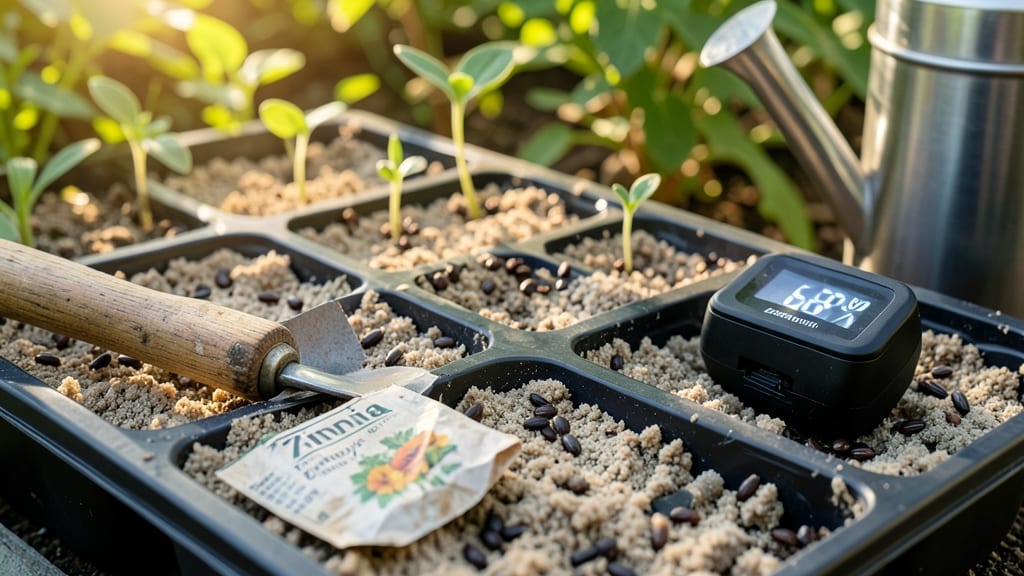
If you're dreaming of a Missouri garden bursting with bold, sun-soaked zinnias 🌼, the key to unlocking their full potential starts with knowing when to plant zinnia seeds in Missouri. Timing your planting is the game-changer that separates a mediocre summer display from a showstopper.
The secret lies in waiting for that last frost date—because planting too early means risking frost damage, while waiting too long could leave your zinnias struggling to bloom before fall.
For Missouri gardeners in zones 5b-6b, the ideal window opens around April 15 and stretches through June 15, giving your zinnias the 180 frost-free days they need to reach their full, vibrant potential. But here's the catch: soil temperature matters just as much as the calendar.
Zinnias only sprout reliably when the ground warms to at least 60°F, which often means waiting until late April or early May in cooler microclimates.
You don't have to choose between starting from scratch or buying transplants—both methods work in Missouri, but each has its own timing tricks. Direct sowing gives you more variety, while starter plants give you a head start on those 60-70 day blooms.
I'll walk you through exactly when to plant each way, plus how to stretch your zinnia season from July all the way through October with simple succession planting.
The payoff? A garden that stays in full, cheerful bloom until the first frost—because when you time it right, zinnias don't just fill your space with color, they transform it. Let's get those seeds in the ground at the perfect moment.
Missouri zinnia planting timeline: frost dates & soil temperature guide
Timing your zinnia seeds in Missouri depends on two critical factors: frost-free dates and soil temperature. Missouri’s USDA zones 5b-7a experience last spring frosts between mid-April and early May, while first fall frosts arrive as early as mid-October in northern regions.
This gives you a 180-day growing window—perfect for zinnias that bloom in just 60-70 days.
Zinnia seeds need soil temperatures above 60°F to germinate reliably. In Missouri, this typically occurs by mid-April in southern zones and late April in northern areas. Waiting until soil warms ensures strong, vigorous seedlings that resist damping off and fungal diseases common in cool, wet springs.
Here’s how to align your planting with Missouri’s climate:
| Stage | Action | Missouri Timeline |
|---|---|---|
| Last Spring Frost | Wait 2 weeks after frost | Mid-April (south) to early May (north) |
| Soil Temperature | Plant when ≥60°F | Mid-April to late April |
| Peak Planting Window | Direct sow or transplant | April 15–June 15 |
| First Fall Frost | Protect or harvest before frost | Mid-October (north) to late October (south) |
| Succession Planting | Sow every 2 weeks for continuous blooms | May–July |
Missouri’s microclimates can shift planting dates by weeks. Urban areas like St. Louis (Zone 6a) often warm up faster than rural northwest Missouri (Zone 5b). Use a soil thermometer to confirm readiness—zinnias won’t germinate in cold soil, even if frost risk is low.
For northern Missouri gardeners, consider starting seeds indoors in late March to give seedlings a head start. Transplant hardened-off seedlings outdoors after the last frost date (typically May 1 in Zone 5b). This strategy extends your blooming season by 3-4 weeks compared to direct sowing.
In southern Missouri (Zones 6b-7a), you can direct sow as early as mid-April in protected microclimates. However, avoid planting too early—cool nights below 50°F stunt growth and delay flowering. Aim for consistent daytime temps above 70°F for the fastest, most vibrant blooms.
Zinnias thrive in full sun (6+ hours daily), but Missouri’s humid summers can stress plants if they lack airflow. Space seeds 6-12 inches apart (depending on variety) to prevent powdery mildew, a common issue in Missouri’s high-humidity zones.
Mulch with straw or shredded leaves to retain moisture and regulate soil temperature.
Pro tip: Mark your calendar for June 15 as the last ideal planting date for zinnias in Missouri. Seeds sown after this date may not mature before the first fall frost, though dwarf varieties (like ‘Thumbelina’) can sometimes bloom by early October in sheltered spots.
🌼
Direct sowing vs. starter plants: Missouri-specific planting strategies
Missouri’s unpredictable spring weather makes choosing between direct sowing and transplanting zinnia starter plants a game-changer for your garden’s success. Each method has unique advantages, and the right choice depends on your timeline, climate zone, and local frost patterns.
Let’s break down the best strategies for Missouri gardeners to ensure vibrant zinnias all summer.
If you’re planting zinnias in Missouri’s Zone 5-7, direct sowing is my go-to method for most gardeners. The key is timing—wait until the soil temperature consistently stays above 60°F (usually mid-April to early May in most regions).
This ensures your seeds won’t rot in cold soil, and your zinnias will germinate quickly. For direct sowing, plant seeds ¼ inch deep, spacing them 6-12 inches apart depending on the variety. This method is cost-effective and gives you hardier plants adapted to your local conditions.
Direct Sowing vs. Starter Plants
| Factor | Direct Sowing | Starter Plants |
|---|---|---|
| Best Time to Plant | After last frost (April-May) | Early April (transplant after frost) |
| Cost | Low (seeds only) | Higher (seeds + starter cost) |
| Time to Bloom | 60-70 days | 45-60 days |
| Hardiness | More resilient to local pests/diseases | May struggle with transplant shock |
| Missouri Advantage | Best for late starts (June plantings) | Earlier blooms, great for short seasons |
On the other hand, transplanting starter plants is ideal if you want earlier blooms or live in a region with late spring frosts. Start your seeds indoors 6-8 weeks before your last frost date (around early March for Missouri).
When transplanting, harden off your seedlings for 7-10 days before moving them outdoors. This method is perfect if you’re dealing with short growing seasons or want to extend your bloom time into early fall.
One Missouri-specific tip for both methods: If you experience a late spring frost (common in Zone 5), cover your zinnias with row covers or frost cloth to protect tender seedlings.
For direct-sown zinnias, consider succession planting every 2 weeks from May through June to ensure continuous blooms. This staggered approach works wonders for extending your zinnias’ season well into October.
For gardeners in southern Missouri (Zone 6b-7a), you can even push the envelope by planting a late summer crop in early July. Zinnias are fast-growing and can still produce blooms before the first frost hits.
Just be sure to water consistently and deadhead spent flowers to encourage new growth. With the right strategy, your zinnias can keep your garden bursting with color until frost!
Remember, zinnias thrive on full sun, so choose a location that gets at least 6 hours of sunlight daily.
Whether you choose direct sowing or starter plants, Missouri’s warm summers are perfect for these cheerful blooms—just get them in the ground at the right time, and you’ll be rewarded with months of vibrant color!