
Plants
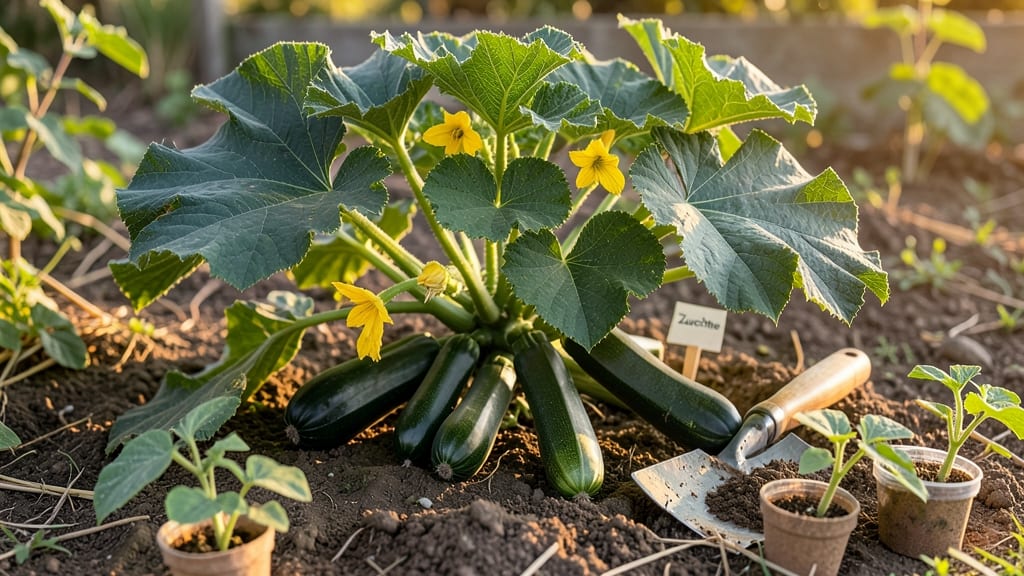
Timing your zucchini planting in Indiana can make the difference between a bumper crop and wasted effort—get it wrong, and you might end up with frost-nipped seedlings or a harvest too late for summer feasts.
The key isn't just waiting for spring; it's understanding your local microclimate, from Northern Indiana's cooler pockets to Southern regions where warmth arrives earlier.
With Indiana's USDA Zone 6a climate, most gardeners aim to plant zucchini after the last frost date around late April to early May, but soil temperature matters just as much as calendar dates.
Too cold, and your seeds won't germinate; too warm, and you risk bolting before you get those first sweet squash. Let me show you how to nail the perfect window for your specific corner of the state.
We'll break down the ideal planting calendar by region, including soil prep tips to speed up growth and spacing tricks to maximize your harvest.
Whether you're in a humid River Valley or near Lake Michigan's cooler breezes, these Indiana-specific strategies will help you avoid common mistakes and get your zucchini 🎃 thriving from July through September.
Ready to turn your garden into a summer squash paradise? I'll walk you through everything from frost-free date tracking to adjusting for early vs. late varieties—so you can enjoy homegrown zucchini all season long without the guesswork.
Indiana zucchini planting calendar: frost-free dates by region
Indiana’s diverse climate means your zucchini planting timeline should match your local microclimate. Northern Indiana’s chilly springs contrast sharply with Southern Indiana’s earlier warm-ups, while Lake Michigan and River Valleys create unique growing zones.
To maximize your harvest, align planting with last frost dates, soil temperature (ideal: 60°F+), and regional variations.
Most Indiana gardeners wait until mid-to-late May for zucchini, but Northern Indiana’s USDA Zone 5 may need to wait until early June. Southern Indiana’s Zone 6 can start as early as late April in sheltered areas. Always check your local Almanac frost dates—they’re your planting compass.
Here’s how Indiana’s five key regions differ in planting windows, soil readiness, and ideal transplant dates for zucchini:
For direct sowing (planting seeds directly in the garden), add 2–3 weeks to these windows—zucchini seeds need warm soil to germinate. Use a soil thermometer to confirm temperatures meet the thresholds above. If your soil is still cool, opt for transplants from a nursery, which are hardier.
Pro tip: Black plastic mulch can warm soil by 5–10°F, letting you plant zucchini 1–2 weeks earlier in cooler regions like Northern Indiana. Lay it down 2–3 weeks before planting to maximize heat retention.
Indiana’s short growing season demands efficiency. Plan to harvest by mid-October before the first frost hits. If you’re in Northern Indiana, prioritize early-maturing varieties like ‘Eight Ball’ (45 days) or ‘Black Beauty’ (48 days). Southern Indiana gardeners can experiment with late-season varieties like ‘Gold Rush’ (50 days) for extended harvests.
Always monitor your local Indiana State Climate Office for updates—unpredictable weather can shift frost dates by weeks. A row cover or cold frame can buy you extra time in early spring or late fall, protecting young plants from unexpected chills.
Finally, remember: soil prep matters. Work in compost and a balanced fertilizer (10-10-10) 2–3 weeks before planting to give zucchini a nutrient-rich start. Well-drained soil prevents rot, especially in Indiana’s humid summers.
With these regional guidelines, you’ll avoid the common pitfalls of planting too soon (frost damage) or too late (missed harvests). Happy planting—your summer squash bounty awaits! 🎃
How to adjust planting time for early vs late varieties
Indiana’s short growing season means choosing the right zucchini variety can mean the difference between a bountiful harvest and a disappointing one. Early varieties like 'Defender' tolerate cooler temperatures, while heat-lovers like 'Eight Ball' thrive in Indiana’s July heat.
Timing your planting to match these traits is key to maximizing your yield.
For cold-hardy varieties, you can start seeds indoors 4-6 weeks before your last frost date—around mid-March for most of Indiana. Transplant these seedlings outdoors as soon as soil temperatures hit 60°F (usually late April to early May).
This gives them a head start to produce before summer’s peak heat arrives.
Heat-tolerant varieties, on the other hand, should wait until after your last frost date and only be planted when soil temperatures consistently stay above 65°F.
In Indiana, this typically means mid-to-late May, depending on your microclimate. Planting too early can stunt their growth or invite disease in cooler, damp conditions.
To extend your harvest window, consider using black plastic mulch or row covers. These tools warm the soil faster and protect young plants from unexpected late spring frosts.
I’ve found that mulch can push my planting window back by 1-2 weeks, giving me an earlier start—and a longer harvest season.
Early vs Late Zucchini Varieties
| Variety Type | Best Planting Time | Pros | Cons |
|---|---|---|---|
| Cold-Hardy (e.g., 'Defender') | Start indoors mid-March; transplant late April | Earlier harvest, tolerates cooler soil | May struggle in summer heat |
| Heat-Tolerant (e.g., 'Eight Ball') | Plant after last frost, mid-to-late May | Thrives in summer heat, high yield | Needs warmer soil to germinate |
| Dual-Planting Strategy | Plant cold-hardy in April; heat-tolerant in June | Extended harvest season | Requires more space and planning |
If you’re eager to squeeze every last day of harvest out of your garden, try a dual-planting strategy. Start cold-hardy varieties in late April and follow up with heat-tolerant types in early June.
This ensures you’ll have zucchini ready to pick from June through September, even in Indiana’s shorter growing season.
Don’t forget to monitor your local frost forecasts and adjust as needed. I’ve had years where an unexpected May frost wiped out my early plants—so always have a backup plan, like row covers or a greenhouse, ready to protect your seedlings.
With the right variety and timing, you’ll be harvesting zucchini like a pro.
🌱