
Size
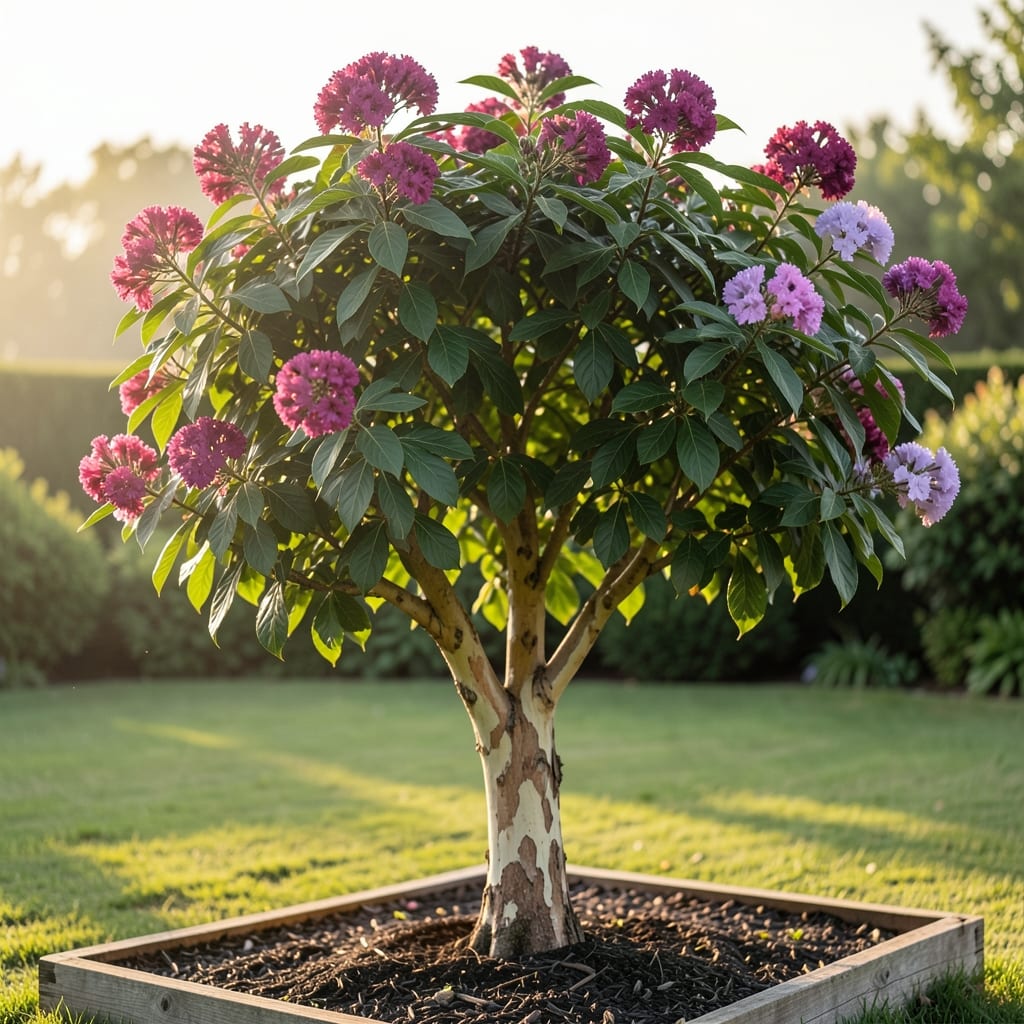
Curious about crepe myrtle how tall do they grow before planting one in your yard? These stunning trees can be as small as a shrub or tower over your home like a majestic giant—it all depends on the variety you choose. Whether you're dreaming of a 6-foot dwarf specimen or a 30-foot shade provider, knowing the exact mature height helps you plan your landscape perfectly.
Crepe myrtles like 'Arapaho' stay compact at 10-15 feet, making them ideal for small gardens, while varieties like 'Natchez' can reach 30 feet or more, perfect for large properties or as a statement tree. The difference comes down to genetics, pruning habits, and growing conditions—so let’s break down what to expect from each type.
If you're wondering how to control their size, the good news is that crepe myrtles respond well to pruning, allowing you to shape them to fit your space. But before you grab those shears, it’s worth knowing which varieties grow fastest and which stay manageable over time. We’ll cover everything you need to pick the perfect height for your landscape.
Ready to transform your outdoor space with a crepe myrtle that fits just right? Let’s dive into the exact heights, growth rates, and tips to keep your tree at the perfect size—no surprises included.

Crepe myrtle height by variety: dwarf to 30-Foot giants (exact mature sizes)
Crepe myrtles come in a stunning range of sizes, from dwarf varieties perfect for small yards to towering giants that make dramatic statements. The height you’ll end up with depends entirely on the cultivar you choose—some stay under 10 feet while others soar past 30 feet. Understanding these differences helps you select the perfect tree for your space without any surprises later.
For example, the 'Arapaho' crepe myrtle tops out at just 10-15 feet, making it ideal for urban gardens or patios, while the 'Natchez' variety can reach 30 feet or taller, perfect for large landscapes or as a shade provider. Even within these extremes, growth rates vary—some varieties grow 2-3 feet per year while others take their time, reaching maturity over a decade.
Here’s what you need to know about the most popular crepe myrtle varieties and their mature heights:
If you’re planting near power lines or tight spaces, dwarf varieties like 'Arapaho' or 'Tonto' are your best bet—they stay manageable while still delivering vibrant blooms and glossy foliage. For a bold statement, 'Natchez' or 'Catawba' will give you that towering presence you’ve been dreaming of, but be prepared for their rapid growth and larger root systems.
One common misconception is that all crepe myrtles grow into massive trees. In reality, proper pruning can keep even the tallest varieties in check. For instance, if you plant a 'Natchez' but want to limit its height, pruning the central leader early on encourages a fuller, bushier shape rather than a single trunk. This technique works for all varieties and is especially useful in urban settings where space is limited.
Another factor influencing height is your climate zone. Crepe myrtles thrive in USDA Zones 6-9, but in warmer zones, they tend to grow faster and reach their mature height sooner. If you’re in a cooler zone, like Zone 6, expect slightly slower growth but still reliable performance. Always check your local microclimate—urban areas can be 5-10°F warmer than rural zones, which may accelerate growth.
For first-year growth, most crepe myrtles will reach 2-4 feet, giving you a good idea of their potential. By year three, you’ll start seeing their true growth habits—some varieties like 'Sioux' can add 6-10 feet in just three years, while dwarf types like 'Arapaho' grow more slowly. This early growth phase is also the best time to train the tree’s shape by pruning young branches to encourage a balanced form.
If you’re unsure which variety to choose, consider your landscape goals. Need privacy? A 15-20 foot variety like 'Sioux' planted in a row will create a natural
How to choose the right crepe myrtle height for your landscape
Selecting the perfect crepe myrtle height for your yard isn’t just about aesthetics—it’s about function. A 6-foot dwarf like 'Arapaho' fits cozy patios, while a 30-foot giant like 'Natchez' creates dramatic shade. Start by measuring your space: front yards often work best with 12-18 foot varieties, while backyard privacy screens thrive with 20+ foot trees planted 10-15 feet apart.
Consider your sunlight exposure next—crepe myrtles need full sun (6+ hours daily) to reach their full height potential. If your yard has partial shade, opt for semi-dwarf varieties like 'Tonto' (12-15 ft), which tolerate lighter conditions better than their taller cousins. These adaptable trees also handle drought conditions once established, making them ideal for low-water landscapes.
🌸
- 📏 Yard Size: Measure available space—dwarf (6-12 ft) for small areas, standard (20-30 ft) for large properties.
- ☀️ Sunlight: Full sun = full height; partial shade = semi-dwarf varieties like 'Tonto' (12-15 ft).
- 🏡 Purpose: Privacy? Choose 20+ ft; shade? Opt for 15-25 ft; curb appeal? Dwarf varieties work best.
- ✂️ Pruning Plan: Regular pruning keeps standard varieties 30% smaller; dwarf varieties need minimal shaping.
- 🌧️ Climate: Hot/dry areas? Drought-tolerant standard varieties thrive; wet climates? Well-draining soil is critical for all heights.
Pruning plays a huge role in controlling height—even standard varieties can be kept at 20 feet with annual pruning. The best time to prune is late winter or early spring, before new growth begins. Remove dead or crossing branches first, then trim back 1/3 of the height if needed. Avoid heavy pruning in fall or winter, as this can stress the tree before dormancy.
For urban gardens with limited space, consider container-grown crepe myrtles. Dwarf varieties like 'Arapaho' or 'Catahoula' (10-15 ft) thrive in large pots (20+ gallons) and can be moved seasonally. Just ensure the container has drainage holes and use well-draining potting mix to prevent root rot. Water deeply but infrequently—these trees hate soggy roots!
Pro tip: If you love the look of a tall crepe myrtle but lack the space, plant it near a fence or property line to maximize its height without encroaching on walkways. Pair it with shorter perennials like black-eyed Susans or salvia to create a layered, eye-catching display. The colorful blooms will draw attention to your tree’s stunning form while keeping the space feeling open.
🌳