
Plants
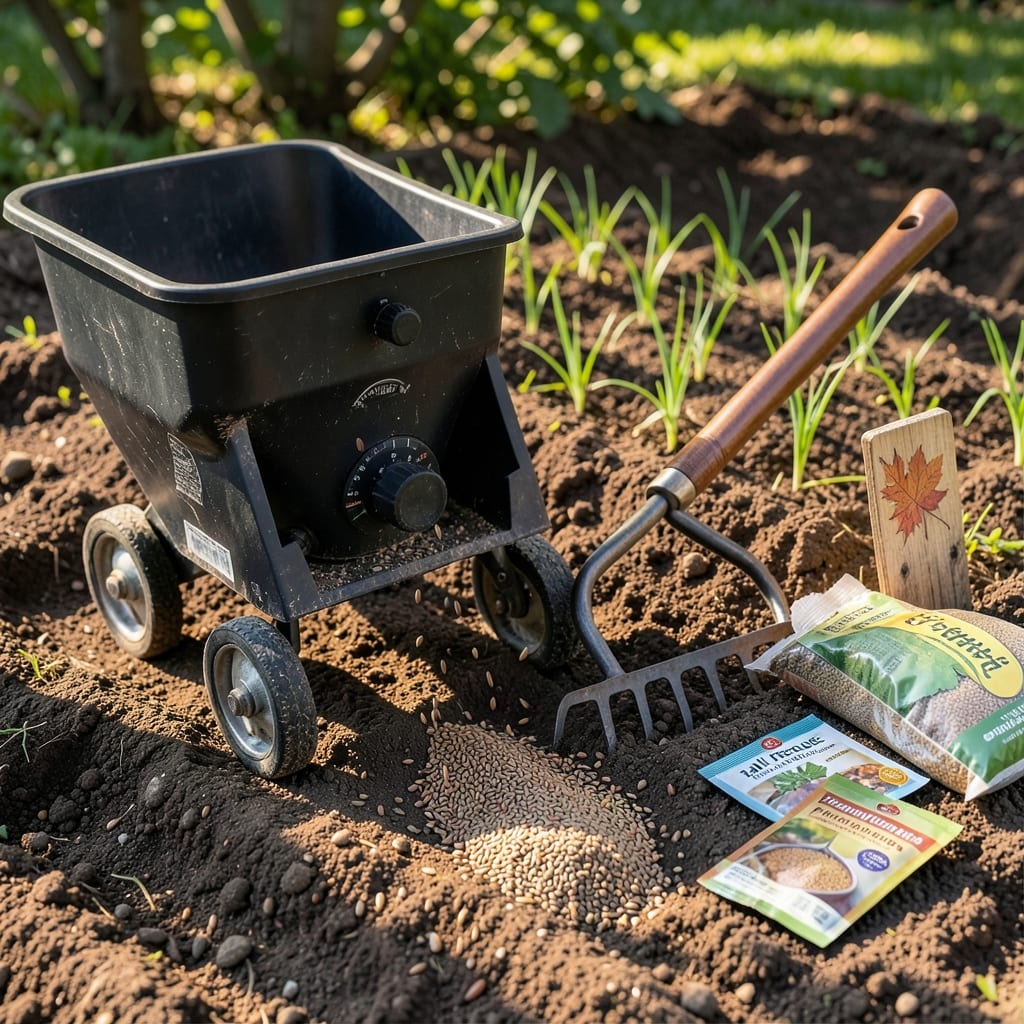
Planting grass seed in the fall is your secret weapon for a thicker, greener lawn next spring—but get the timing wrong, and you’ll waste seed and money. The key window is 4-6 weeks before your first frost, when soil stays warm enough for roots to establish but weeds haven’t taken over yet.
In USDA Zone 6a, that means mid-August to early October, where cool evenings and frequent rain create perfect conditions for 🌱 grass germination. Too early, and weeds steal nutrients; too late, and winter dormancy kicks in before roots grow strong. Let’s break down the exact weeks to plant for your region and how to prep soil for maximum success.
Most gardeners overlook soil prep, but aerating compacted earth and removing weeds before seeding can boost germination rates by 50%. I’ll share my step-by-step method for fall planting—including when to fertilize and how much water to give new seedlings—so you avoid common pitfalls like thin patches or slow growth.
Whether you’re reseeding a bare spot or overhauling your entire lawn, fall is the best time to plant. By the time spring rolls around, your grass will be the envy of the neighborhood—lush, dense, and ready to handle summer heat. Let’s get started.
Best fall weeks to plant grass seed by climate Zone
Timing is everything when planting grass seed in the fall. The ideal window is 4-6 weeks before your first frost, when soil stays between 50–65°F for consistent germination. In USDA Zone 6a, that’s typically mid-August to early October, but your exact timing depends on your region’s microclimate.
Northern climates (Zones 3–5) should aim for late August to mid-September, while Southern zones (7–10) can extend planting until early November. Transition zones (6–7) benefit from September planting, balancing cool nights and warm days for optimal root growth.
I’ve planted grass seed in all three zones and found that soil temperature is the best predictor of success. Use a soil thermometer to confirm conditions—if temps drop below 50°F, germination slows dramatically. Pro tip: Check your local frost date and count backward 6 weeks for your personal deadline.
Here’s how your climate zone affects planting timing:
| Climate Zone | Best Planting Window | Soil Temp Range (°F) | Key Consideration |
|---|---|---|---|
| Northern (3–5) | Late August – Mid-September | 55–65°F | Short growing season; prioritize early root establishment |
| Transition (6–7) | Mid-August – Early October | 50–65°F | Balanced climate; avoid late October planting |
| Southern (8–10) | Early September – Early November | 60–70°F | Longer growing season; watch for early frosts |
Don’t assume your entire lawn fits one zone. Microclimates—like shaded spots or south-facing slopes—can shift planting windows by 2–3 weeks. For example, a shady lawn in Zone 6 may need seeding in late September to avoid early frost, while a sunny patch could handle early October planting.
If you’re unsure about your frost date, check the National Weather Service or your local cooperative extension service. They provide hyperlocal frost predictions that account for elevation and urban heat islands. I once planted too late in Zone 5 because I relied on a general calendar—my grass barely sprouted before winter!
For cool-season grasses like tall fescue or Kentucky bluegrass, aim for September planting in most regions. Warm-season grasses like Bermuda or Zoysia should be sown in late spring, but if you’re overseeding, fall is still your best bet for thicker coverage next summer.
Remember: Germination takes 14–21 days in ideal conditions. If you plant too close to frost, seedlings won’t have time to establish roots before dormancy sets in. Always leave a 6-week buffer between seeding and your expected frost date.
Once you’ve nailed the timing, the next critical step is soil preparation. Skipping this step can reduce germination rates by up to 40%. In the next section, I’ll walk you through my foolproof prep method, including aeration, weed control, and the right seeding technique for your grass type.
How to prepare your lawn for fall grass seed planting
Prepping your lawn before planting grass seed in fall is the difference between a thin, patchy lawn and one that’s thick and vibrant by spring. Start by testing your soil pH—most grasses thrive in slightly acidic soil (6.0–7.0). If your soil is off, add lime to raise pH or sulfur to lower it.
Next, clear the area of existing weeds and debris. Use a pre-emergent herbicide 2–4 weeks before seeding to prevent weeds from competing with your new grass. For stubborn weeds, hand-pull or spot-treat with a post-emergent herbicide like glyphosate (apply 2 weeks before planting).
Aeration is non-negotiable for compacted soil. Rent a core aerator to pull small plugs from the lawn, creating channels for seeds, water, and nutrients. Do this 1–2 weeks before seeding. If your lawn has thick thatch (over ½ inch), dethatch first to improve seed-to-soil contact.
Two weeks before planting, apply a starter fertilizer with high phosphorus (like 5-10-10) to encourage root growth. Use a broadcast spreader for even coverage—aim for ½ lb of fertilizer per 100 sq ft. Avoid over-fertilizing, as excess salts can harm seedlings.
On planting day, use a slit seeder or broadcast spreader to distribute seed evenly. For new lawns, aim for 8–12 lbs of seed per 1000 sq ft; for overseeding, use ½–1 lb per 1000 sq ft. Lightly rake the area to ensure seeds make contact with soil, then cover with a thin layer of compost or straw (no more than ¼ inch) to retain moisture.
Water immediately after seeding with a gentle sprinkler to settle seeds into the soil. Keep the top inch of soil consistently moist for the first 2–3 weeks—this is critical for germination. Once seedlings are 2–3 inches tall, reduce watering to 1 inch per week to encourage deep root growth.