
Plants
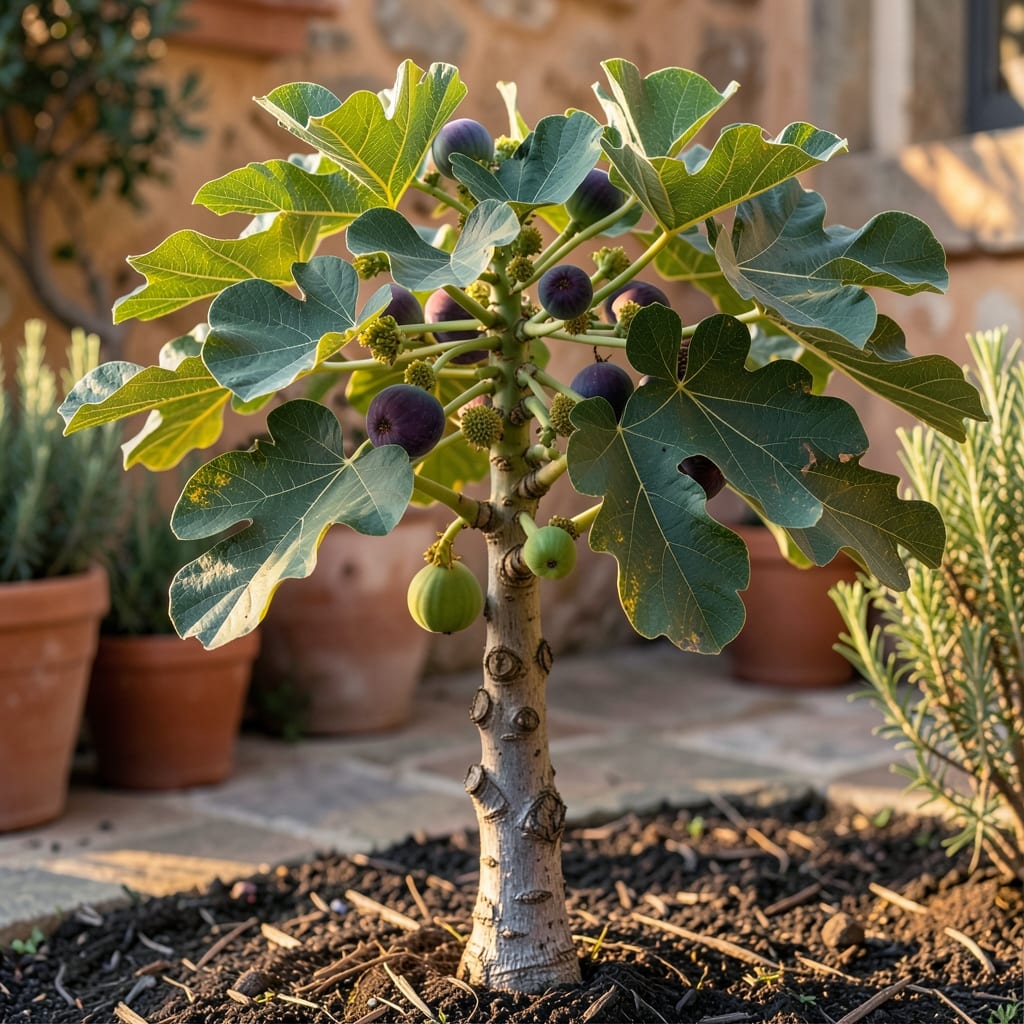
If your 🍈 fig plant is struggling to thrive, the answer might be simpler than you think—how much light does a fig plant need is the key to unlocking its full potential. Fig trees are sun-worshippers, and getting their light needs right is the difference between a lush, fruiting tree and a sad, leggy shadow of its potential.
Most fig varieties crave 6-8 hours of direct sunlight daily, but not all figs are created equal. Some hardy types can handle a little shade, while others will bolt for the hills (or at least drop their leaves) if deprived. Whether you're growing outdoors in USDA Zone 6a or nurturing a potted plant indoors, understanding the nuances makes all the difference.
In this guide, I’ll break down exactly how much light your fig needs at every stage—from sapling to mature tree—and how to spot the telltale signs when it’s getting too much or too little. You’ll also discover clever ways to supplement light if your space falls short, so your fig can flourish year-round.
Ready to turn your fig from "meh" to "magnificent"? Let’s dive into the sunlight secrets that will have your tree reaching for the sky—and maybe even bearing fruit by next summer.


Fig plant light requirements by variety: sun vs. partial shade needs
Fig trees are sun-hungry plants, but not all varieties demand the same amount of light. While most figs thrive in full sun (6-8+ hours daily), some hardy types can tolerate partial shade—especially in hot climates. Understanding these differences is key to avoiding leaf scorch or poor fruiting. Let’s break down the light needs by popular fig varieties and growth stages.
For outdoor figs, south-facing locations are ideal in the Northern Hemisphere, providing uninterrupted sunlight from morning to afternoon. In containers, rotate pots weekly to ensure even light exposure on all sides. Indoor figs, however, require a south-facing window or supplemental grow lights to mimic these conditions.
🌱
Saplings need slightly less light—4-6 hours daily—to avoid stress, while mature trees can handle full sun exposure once established. During fruiting season (summer), figs crave extra light to develop sweet, flavorful fruit. If your tree isn’t fruiting well, insufficient light is often the culprit.
For container-grown figs, choose pots with light-colored finishes to reflect heat and prevent root burn. Terracotta is ideal for outdoor use, while self-watering containers work well indoors. Always ensure drainage holes are present to prevent waterlogged roots, which compound light stress issues.
In USDA Zone 6a or colder, winter sunlight is weaker, so move potted figs to a sunroom or greenhouse for supplemental light. If outdoors, mulch heavily to protect roots from frost while still allowing light penetration. Evergreen trees or structures can block winter sun, so prune nearby foliage if needed.
🌿
One common mistake is assuming more light is always better. While figs love sun, afternoon shade in hot climates (like Zone 9+) prevents leaf scorch. Test your tree’s tolerance by gradually increasing sun exposure over 2-3 weeks. If leaves turn yellow or crispy, it’s getting too much direct heat.
Pro tip: Use a light meter (or phone app) to track sunlight hours in your garden. Aim for at least 50,000 lux for optimal fig growth. If your space falls short, reflective surfaces like white walls or mirrors can amplify natural light by up to 30%.
☀️
Fig plant light requirements by variety: sun vs. partial shade needs
Fig trees are sun lovers, but not all varieties have the same appetite for light. While most figs thrive in full sun (6-8+ hours daily), some cold-hardy types can tolerate partial shade (3-6 hours), especially in hot climates. The key is matching your fig’s needs to its environment—whether that’s your backyard, balcony, or indoor windowsill.
For outdoor figs, south-facing locations are ideal in the Northern Hemisphere, as they capture the most sunlight. In containers, rotate your pot every few weeks to ensure even growth. If you’re in a USDA Zone 6a or colder, hardy varieties like Chicago Hardy or Celestial can handle morning sun with afternoon shade, while tropical types like Black Mission will struggle without full sun.
| Variety | Sunlight Needs | Indoor Adaptability | Cold Tolerance |
|---|---|---|---|
| Brown Turkey | 6-8+ hours full sun | Needs south window + grow light | Moderate (Zone 7+) |
| Chicago Hardy | 5-6 hours (partial shade OK) | Thrives in bright indirect light | High (Zone 4-6) |
| Celestial | 6-8 hours (afternoon shade helps) | Needs supplemental light winter | High (Zone 5-6) |
| Black Mission | 8+ hours full sun (non-negotiable) | Requires grow lights year-round | Low (Zone 8-11) |
*Cold tolerance refers to ability to survive winter temperatures without protection.
Seasonal adjustments are crucial. In summer, figs can handle intense afternoon sun if they’re well-watered, but in winter, even outdoor figs may need 3-4 hours of sunlight to survive. If your fig is indoors, a south-facing window is your best bet—east or west windows may not provide enough light for optimal growth.
Watch for leaf scorch (brown edges) if your fig gets too much harsh afternoon sun, especially in hot climates. Providing dappled shade with sheer curtains or a shade cloth can help. For container growers, white pots reflect excess heat, while black pots absorb it—choose based on your climate.
Pro tip: If your fig isn’t fruiting, it’s likely not getting enough light. Move it closer to a sunny spot or invest in a grow light for 12-14 hours daily during winter. Even a reflective surface like a white wall can bounce extra light onto your plant.
For urban gardeners, balconies and rooftops can work wonders if you position your fig in the sunniest spot possible. Just remember: more sun = more fruit, but balance is key to avoid stressing your tree.