
How To
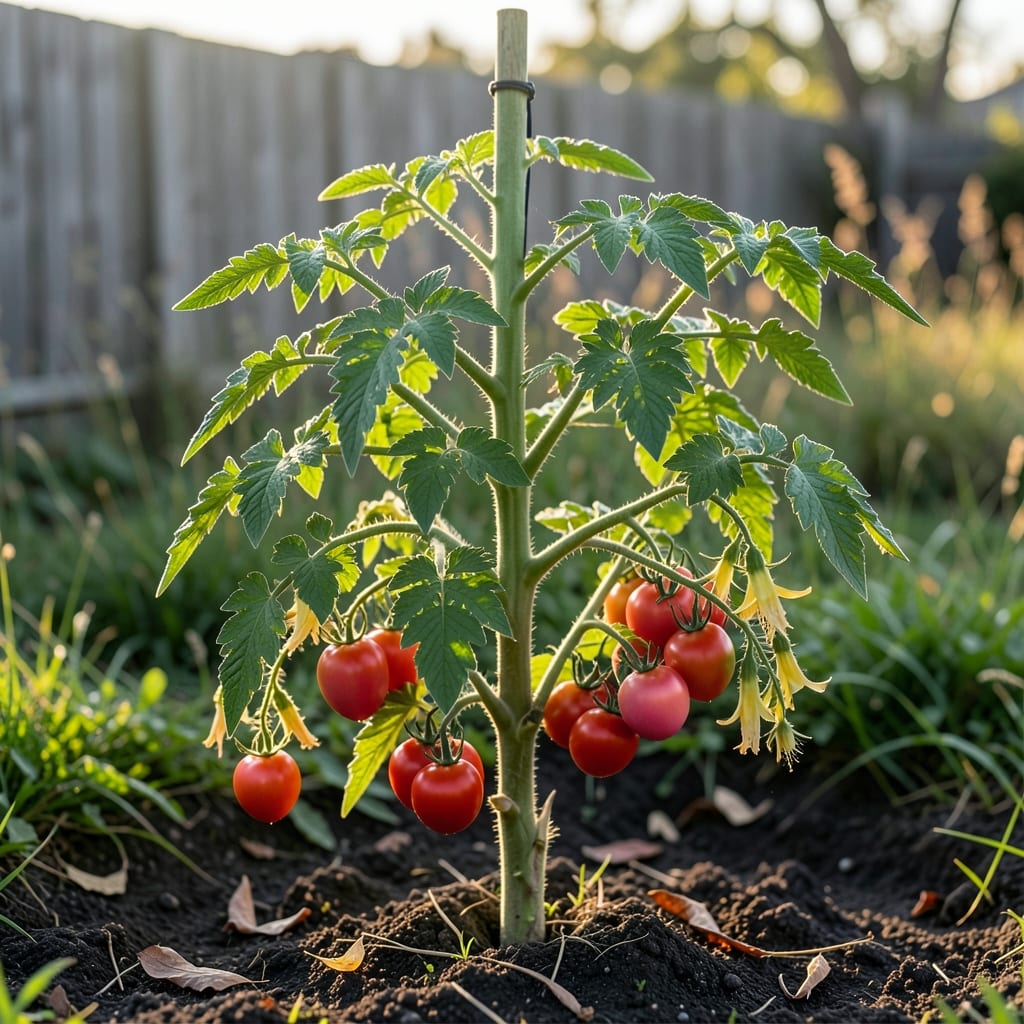
Optimal sunlight hours for tomato plants: the science behind 6-10 hours daily
Tomatoes thrive under full sun, but not all varieties have identical needs. Indeterminate tomatoes (vining types like 'Sungold' or 'Brandywine') demand 8-10 hours daily for continuous fruiting, while determinate varieties (bush types like 'Roma' or 'Celebrity') can tolerate 6-8 hours with slightly less intensity. The key isn’t just hours—it’s light intensity and consistency that prevent the dreaded blossom drop.
Research shows tomatoes need at least 6 hours of direct sunlight to set fruit, but less than 5 hours triggers physiological stress. Morning sun (6 AM–12 PM) is most critical because it kickstarts photosynthesis, while afternoon light fuels fruit development. Cloud cover or dappled shade can reduce effective sunlight by 30–50%, so even "sunny" spots need verification.
Here’s how sunlight affects your harvest:
6–8 hours: Minimum for determinate varieties; expect smaller yields and slower ripening.
8–10 hours: Ideal for indeterminate types; maximizes fruit size and sugar content.
10+ hours: Boosts early season production and heat tolerance in hot climates.
Seasonal adjustments matter too. In summer, tomatoes need partial afternoon shade (1–3 PM) if temperatures exceed 90°F to prevent sunscald. Conversely, spring and fall benefit from extended sunlight—even 12+ hours—to accelerate growth. Use a sunlight tracker or plant journal to monitor hours weekly, especially if your garden has obstructed views (e.g., trees, buildings).
Light intensity also plays a role. Direct sunlight (not filtered through leaves) provides the highest photosynthetically active radiation (PAR), which tomatoes crave. Reflective surfaces like white walls or mulch can increase effective sunlight by 20–30%, so position plants near light-colored backgrounds in shadier spots. For container growers, rotate pots weekly to ensure even light exposure on all sides.
If you’re growing tomatoes in USDA Zones 3–5, aim for south-facing beds with no obstructions before noon. In Zones 6–10, prioritize morning sun and dappled afternoon shade to balance heat and light. Vertical trellises can help indeterminate varieties access higher light levels by lifting foliage above ground-level shade.
Pro tip: Use a light meter app (like Grow Lights Meter) to measure foot-candles in your garden. Tomatoes need 10,000–15,000 foot-candles for optimal growth—anything below 5,000 risks poor fruiting. For indoor growers, LED grow lights should provide 12–16 hours of light daily with full-spectrum bulbs mimicking natural sunlight.
Remember, consistency is key. Sudden shade changes (like a tree leafing out) can cause flower abortion within 48 hours. Gradually acclimate plants to partial shade over 1–2 weeks
Signs your tomato plants aren’t getting enough light (and how to fix it)
If your tomato plants look healthy but fruitless, the culprit is often insufficient light. Watch for leggy stems (stretching toward light sources) and small, sparse leaves—classic signs your plants are light-starved. These symptoms force the plant to prioritize stem elongation over flower and fruit production, leaving you with empty vines despite your efforts.
Another red flag is blossom drop, where flowers fall off before fruiting. This happens when plants receive less than 6 hours of direct sunlight or experience sudden shade changes. Even if flowers form, they may abort within 48 hours of light deprivation. Yellowing leaves (especially on lower stems) can also signal etiolation, a condition caused by stretched, weak stems seeking light.
If you spot these signs, act immediately. Move plants to a sunnier spot (even if it’s temporary) and prune lower leaves to improve air circulation and light penetration to the fruit-bearing zones. For container growers, rotate pots weekly to ensure even light exposure.
For indoor growers, check your grow lights—if they’re 12+ inches away from plants, they’re likely too weak. Tomatoes need 12–16 hours of light daily under grow lights, with full-spectrum LEDs providing 10,000–15,000 foot-candles at plant height. If your lights are dim or flickering, upgrade to high-efficiency LEDs or add a reflective surface (like aluminum foil) behind the plants to double light exposure.
In partial-shade gardens, try companion planting with tall, light-reflective plants like corn or sunflowers. These act as natural light directors, bouncing 20–30% more sunlight onto your tomatoes. Alternatively, use white or silver mulch around plants to increase albedo (light reflection) by up to 15%. For balcony or patio growers, consider a south-facing trellis to maximize vertical light capture.
If your tomatoes are struggling in early summer, they may need afternoon shade (1–3 PM) to prevent heat stress, but this can also reduce light exposure. Balance shade with morning sun—aim for at least 6 hours of direct light even with afternoon protection. Use a light meter app to verify hours weekly, especially if your garden has obstructed views (e.g., trees, buildings).
Pro tip: Prune aggressively to remove shady lower leaves that block light from reaching fruit clusters. Focus on leaf removal below the first flower cluster to improve airflow and sunlight penetration. For determinate varieties, this can boost yield by 20–30% by redirecting energy to fruit production instead of unnecessary foliage.