
Companion Plants
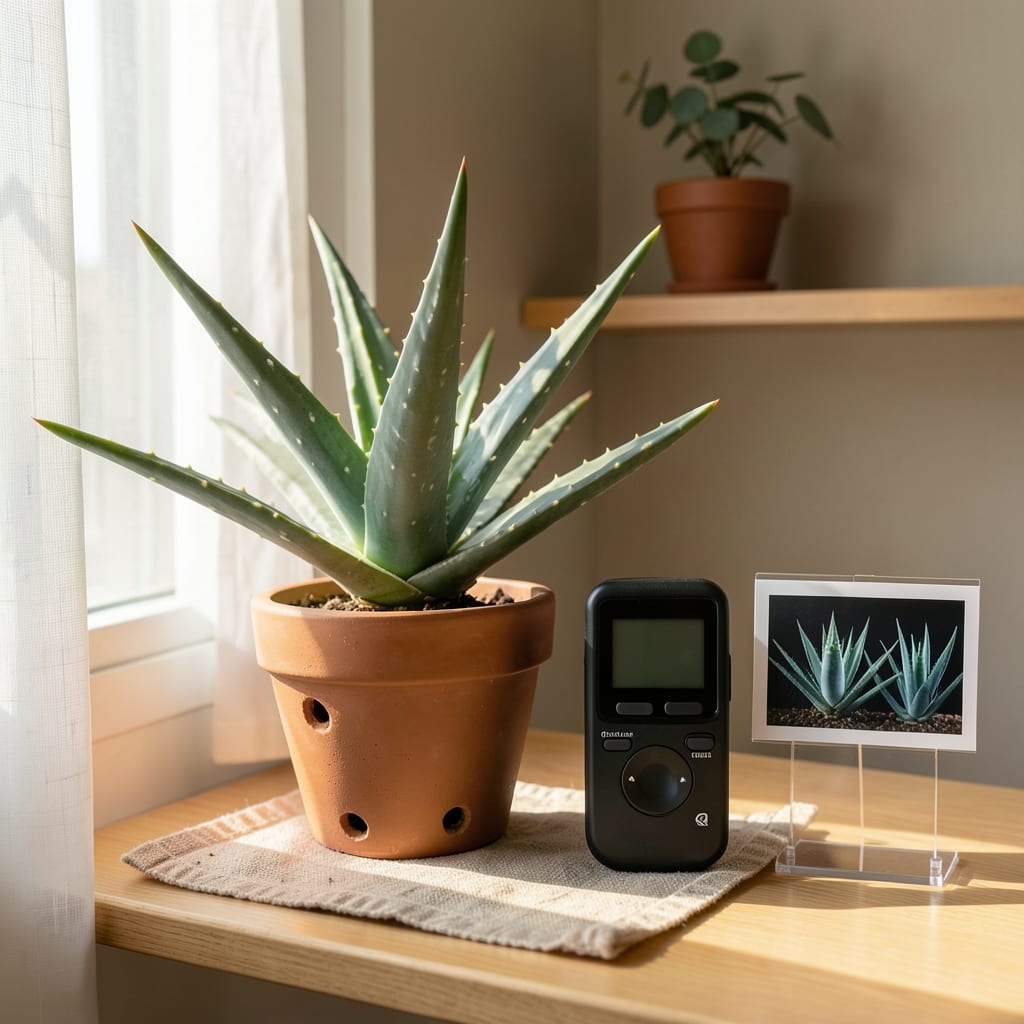
If your 🌵 aloe plant is looking sad—stretching toward the window or sporting brown spots—you’re probably asking yourself, how much light does an aloe plant actually need? The answer might surprise you: too little light means weak, leggy growth, while too much can scorch its leaves. Finding that sweet spot is the key to keeping your plant thriving, whether it’s basking on a sunny windowsill or tucked indoors.
Here’s the truth: aloe plants are sun worshippers, craving 6-8 hours of bright, direct light daily to stay happy and healthy. But don’t worry—you don’t need to turn your home into a greenhouse. With a few simple adjustments, like rotating your plant or choosing the right window, you can give it the perfect balance. Let’s break down exactly what your aloe needs to flourish, no guesswork required.
Ever noticed your aloe stretching toward the light like it’s reaching for a snack? That’s a classic sign it’s not getting enough—something called etiolation. On the flip side, crispy brown edges? That’s a sunburn warning. I’ll show you how to spot these clues early and tweak your care routine to keep your plant looking its best, year-round.
Whether you’re dealing with a dim apartment or a scorching summer window, I’ve got practical tips to help you create the ideal lighting setup. From the best windows to work with to DIY hacks for low-light spaces, you’ll learn how to give your aloe exactly what it needs—without overcomplicating things. Let’s get started!

Optimal light requirements for aloe vera growth: sunlight vs. artificial lighting
Aloe vera plants are sun lovers, but they need the right balance—too little light makes them stretch awkwardly, while too much can scorch their leaves. The ideal scenario? 6-8 hours of bright, direct sunlight daily. This mimics their natural desert habitat, where intense sun is the norm. If you’re growing aloe indoors, a south-facing window is your best bet, as it provides the strongest, most consistent light throughout the day.
Outdoors, aloe thrives in full sun to partial shade. In hot climates, they can handle direct afternoon sun, but in cooler areas, morning sun with afternoon shade prevents leaf burn. Think of it like sunscreen for your plant—just enough exposure to keep it happy without frying it.
Now, what if you don’t have a sunny spot? No problem! Artificial lighting like LED grow lights can bridge the gap. For indoor aloe, place grow lights about 6-12 inches above the plant and keep them on for 12-14 hours daily. This mimics a long summer day and keeps your aloe from getting leggy. Just avoid keeping lights too close—they can overheat delicate leaves.
Seasonal shifts matter too. In summer, aloe can handle more direct light, but in winter, when days are shorter, supplement with grow lights or rotate your plant to catch light from all angles. This prevents uneven growth and keeps your aloe looking lush year-round.
Here’s a quick rule of thumb: if your aloe’s leaves are thin and stretched, it’s begging for more light. If they’re yellowing or crispy, it’s getting too much. Finding that sweet spot ensures your plant stays compact, vibrant, and full of that prized aloe gel.
🌵 Aloe Vera Light Requirements Summary
| Light Condition | Ideal Hours/Day | Best For | Signs of Stress |
|---|---|---|---|
| Full Sun | 6-8 hours | Outdoor or south-facing windows | Brown patches (sunburn) |
| Bright Indirect | 4-6 hours | East/west windows or filtered light | Leggy growth (etiolation) |
| Artificial Light | 12-14 hours | Indoor grow lights (LED) | Slow growth, pale leaves |
| Low Light | <2 hours | North-facing windows, dark corners | Yellowing, weak stems |
💡 Pro Tip: Rotate your aloe every 2-3 weeks for even growth—plants lean toward light sources!
If you’re growing aloe in a container, place it near a window where it gets the most light. Terracotta pots help regulate soil temperature, which is especially useful if your aloe is getting intense afternoon sun. For outdoor aloe, choose a spot with dappled shade in peak summer hours to prevent leaf damage.
Ever wondered why some aloe plants grow taller and skinnier? That’s etiolation, a sign of light deprivation. The plant stretches toward any available light, making it weak and prone to falling over. To fix this, move your aloe closer to a brighter window or add a grow light. Within weeks, you’ll see thicker, sturdier leaves as it adjusts to better conditions.
For those in apartment living, don’t despair. Even a small windowsill can work if you’re strategic. Pair your aloe with a reflective surface, like a mirror or white-painted wall, to bounce extra light onto the plant. This trick can make a big difference in low-light spaces, giving your aloe the boost it needs without moving it.
Remember, aloe vera is drought-tolerant, but it’s not desert-proof. While it loves light, it also needs well-draining soil to prevent root rot. Combine proper lighting with the right soil mix—like cactus or succulent soil—and you’ve got a recipe for a thriving aloe that’ll reward you with years of low-maintenance beauty.
Signs your aloe plant isn’t getting enough (or too much) light
Your aloe plant might be silently screaming for help if it’s not getting the right amount of light. One of the first clues is stretched, leggy growth—when leaves elongate and become sparse. This happens when your plant is reaching for more light, a condition called etiolation. It’s like your aloe is growing on caffeine, trying to stretch toward the nearest window or light source. If you notice this, it’s time to move it closer to a brighter spot.
On the flip side, brown or crispy leaf tips are a classic sign of too much direct sunlight, especially during peak afternoon hours. These sunburn-like symptoms often appear on the edges of leaves and can spread quickly if left unchecked. If your aloe looks like it’s been left in a desert without water, it’s likely getting more sun than it can handle. Providing some afternoon shade or moving it a few feet back from the window can help prevent further damage.
Another red flag is yellowing leaves, which can indicate either too little light or overwatering. If the yellowing starts at the bottom and the leaves feel soft, it might be a watering issue. However, if the yellowing is paired with weak, pale leaves, your aloe is probably craving more bright, indirect light. Pay attention to the overall color—healthy aloe leaves should be a vibrant green, not dull or pale.
🌵 Pro Tip: Rotate your aloe plant every few weeks to ensure all sides get equal light exposure. This prevents uneven growth and helps you spot early signs of light stress on any part of the plant.
Underlit Aloe Plant
- • Long, thin, stretched leaves
- • Pale or light green color
- • Weak, floppy growth
- • Move to brighter light
- • Use a grow light if natural light is limited
- • Rotate plant weekly for even growth
- • Brown, crispy leaf tips
- • White or bleached patches
- • Leaves feel dry or papery
- • Provide afternoon shade
- • Move a few feet from the window
- • Use sheer curtains to diffuse light
If you’re still unsure whether your aloe is getting enough light, try this quick test: place your hand near the plant. If the light feels dim or diffused (like on an overcast day), your aloe needs more brightness. Conversely, if the light feels harsh or hot, it’s likely getting too much direct sun. Balance is key—your aloe thrives in bright, indirect light or gentle morning sun.
Finally, keep an eye out for pests like spider mites, which are more likely to infest stressed plants in low-light conditions. If you spot tiny webs or tiny moving dots on your aloe, it’s another sign that something’s off with its light exposure. Addressing both light and pest issues will help your plant bounce back faster.
With these tips, you’ll be able to spot light-related problems early and give your aloe the perfect lighting conditions it craves. Happy growing! 🌿