
Light Requirements
If your aloe vera🌱 plant looks sad—leggy, yellow, or crispy—chances are it's begging for the right light. Getting this succulent's light needs just right isn't rocket science, but it is the key to turning that floppy mess into a plump, healthy powerhouse.
Here's the deal: aloe vera thrives on bright light, but too much direct sun can turn its leaves into sad, sunburnt paper. The perfect balance means 6+ hours of indirect sunlight daily, whether that's a south-facing window or a greenhouse spot. We'll break down exactly how to spot the difference between "just right" and "too much" so you can stop guessing and start growing.
Let me show you how to position your plant for success—whether you're working with limited indoor space or a sunny backyard. You'll learn which windows work best, how to tell when your aloe is getting too much heat, and even how to supplement light if your home leaves something to be desired.
No more dead leaves or weak growth—just a happy, thriving aloe vera that keeps giving you those magical gel-filled leaves for years. Ready to fix your plant's light situation once and for all?

Optimal sunlight requirements for aloe vera growth and health
Aloe vera plants are sun worshippers at heart, craving bright, indirect light for at least 6 hours daily. Too little light makes them stretch like they're reaching for the sky, while too much can turn their leaves into crispy sunburnt paper. The sweet spot? Morning sun paired with afternoon shade—think of it like a goldilocks zone for your succulent.
In nature, aloe vera grows in arid climates where sunlight is intense but not constant. Replicating this means placing your plant near a south-facing window where it gets direct rays in the morning (when the sun is cooler) and gentler light in the afternoon. If you're in a hotter climate, afternoon shade becomes even more critical to prevent leaf scorch.
For indoor growers, east-facing windows are a close second to south-facing, offering soft morning light that won't overwhelm your plant. West-facing windows can work too, but you'll need to filter the light with a sheer curtain during peak afternoon hours to avoid heat stress. Avoid north-facing windows entirely—they provide too little light for aloe vera's needs.
Outdoor aloe vera plants should be hardened off gradually if moving from indoors to prevent sun shock. Start with 2-3 hours of morning sun and slowly increase exposure over 1-2 weeks. Once fully acclimated, they can handle full sun conditions, especially in cooler months when UV intensity is lower.
| Light Condition | Ideal Hours | Best Placement | Plant Response |
|---|---|---|---|
| Direct Sunlight | 6+ hours (morning only) | South-facing window or outdoor spot | Thick, vibrant leaves; healthy growth |
| Bright Indirect Light | 6+ hours (filtered) | East-facing window or under sheer curtain | Compact growth; minimal stretching |
| Low Light | Less than 4 hours | North-facing window or dim room | Leggy growth; pale, weak leaves |
| Harsh Afternoon Sun | Unfiltered 12 PM - 4 PM | West-facing window without shade | Brown patches; crispy leaf edges |
Seasonal adjustments are key—aloe vera can handle more direct sun in winter when UV levels are lower, but needs protection in summer. If you notice white or reddish patches on leaves, it's a sign of sunburn, and you should move the plant to a shadier spot immediately. Conversely, if your aloe starts looking stretched and pale, it's time to find a sunnier location.
Pro tip: Rotate your plant quarter-turns every 2-3 weeks to ensure even light exposure and prevent lopsided growth. This is especially important for indoor plants that can't move toward the sun on their own. Think of it like giving your aloe a mini vacation to explore all the good light spots.
If you're growing aloe vera in a greenhouse or conservatory, keep an eye on temperature fluctuations. These plants prefer warmth (70-80°F) but can tolerate brief heat spikes if they have access to adequate airflow. In extreme heat (above 90°F), even indirect light can become too intense, so shade cloth becomes your best friend.
Remember, the goal is consistency. Aloe vera plants adapt slowly to light changes, so sudden moves can cause stress. If you're unsure about your space, start with bright indirect light and gradually increase exposure. Your plant will thank you with plump, gel-packed leaves that'll last for years.
Optimal sunlight requirements for aloe vera growth and health
Aloe vera plants crave bright, indirect sunlight for at least 6 hours daily. In their natural habitat, they bask under the African sun but avoid harsh midday rays. This means your goal is to mimic that environment—think dappled shade or filtered light rather than full, unrelenting sun.
For outdoor aloe vera, place them in partial shade during peak summer hours (11 AM–3 PM) to prevent sunburn. A spot with morning sun and afternoon shade works perfectly. If you're growing aloe in containers, rotate the pot every few weeks so all sides get even light exposure.
Indoor growers should prioritize south-facing windows, which provide the most consistent light. If your window faces east or west, supplement with a grow light for 4–6 hours daily. North-facing windows alone won’t cut it—aloe vera will stretch and weaken, a sign of light deprivation.
| Light Condition | Ideal Hours | Best For | Signs of Success |
|---|---|---|---|
| Bright Indirect Light | 6–8 hours | Indoor south windows | Thick, green leaves |
| Direct Morning Sun | 3–4 hours | Outdoor containers | Compact growth |
| Full Sun (Afternoon Shade) | 6+ hours (with shade) | Greenhouse or patio | Deep green color |
Seasonal adjustments are key. During summer months, aloe vera can handle more direct sun, but in winter, reduce exposure to prevent stress. If you notice leaves turning reddish-brown, it’s a cry for shade—move your plant away from harsh afternoon rays immediately.
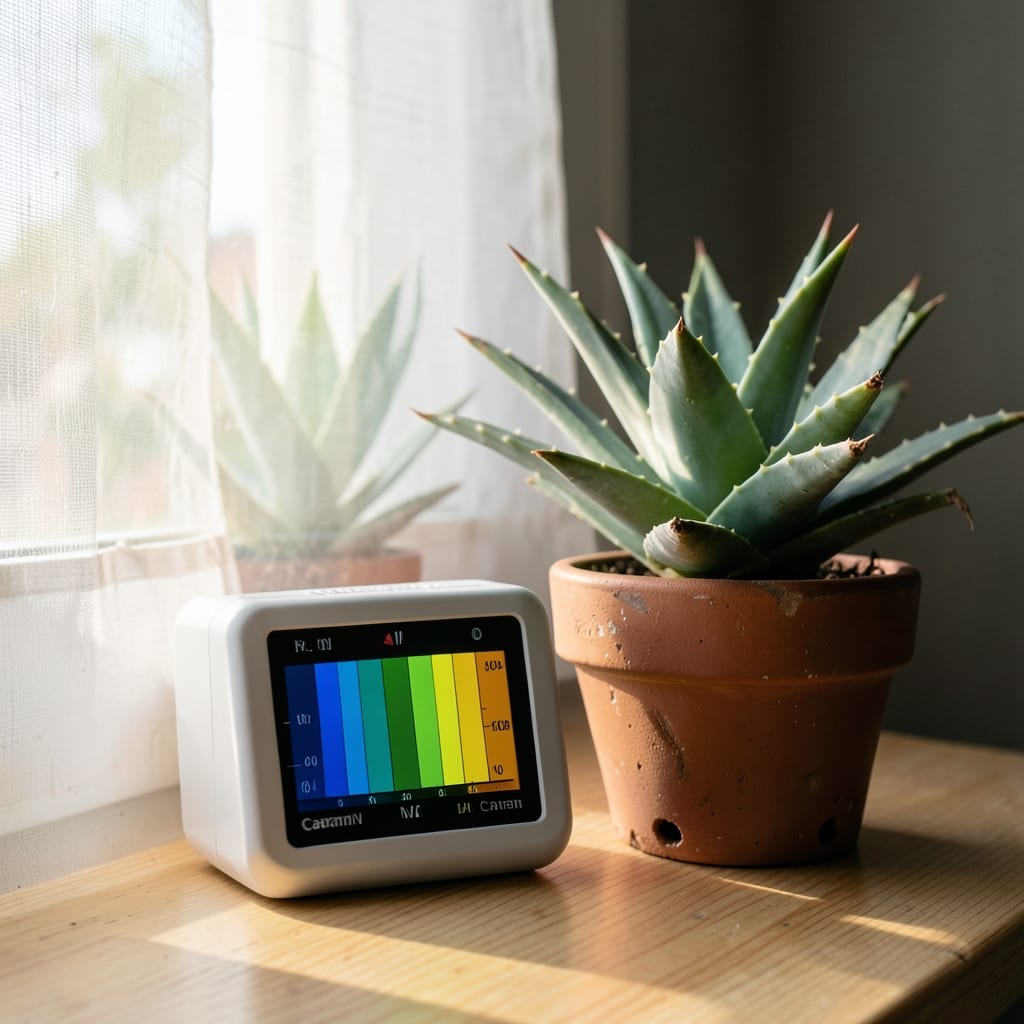
Pro tip: Use a light meter (or your phone’s lux app) to check light levels. Aloe vera thrives at 10,000–25,000 lux. If your space falls short, a 10,000-lux LED grow light 6–12 inches away will do the trick. Just remember: consistency matters more than intensity.
Finally, avoid fluorescent lighting—it lacks the spectrum aloe vera needs. Stick to full-spectrum LEDs or natural light, and your plant will reward you with plump, gel-rich leaves for years to come. 🌱☀️