
How To
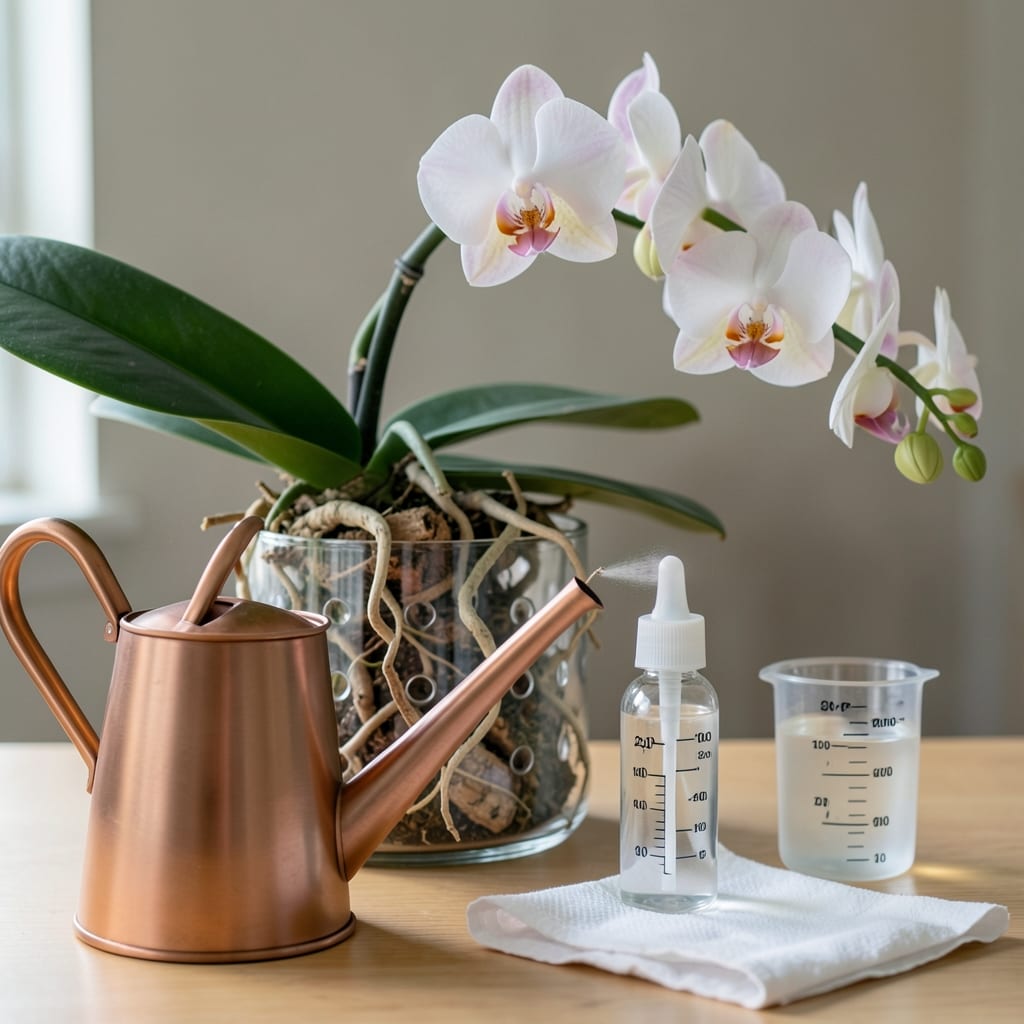
The ideal water-to-vase ratio for orchids by flower type
Orchids aren’t one-size-fits-all when it comes to hydration. The water-to-vase ratio depends on your orchid’s species, vase size, and even humidity levels in your home. For most Phalaenopsis orchids (the most common type), aim for 1-2 inches of water in the vase—enough to cover the roots but never submerge the plant completely. This ensures roots get oxygen while staying hydrated.
Smaller vases (under 6 inches) need less water—just ½ inch—while larger vases (over 8 inches) can hold up to 2.5 inches. The key is to let the roots absorb moisture for 10-15 minutes before draining excess water. Overfilling traps stagnant water, which can rot orchid roots faster than you’d think.
Here’s the golden rule: Drain excess water within 30 minutes. Orchids hate soggy feet! If your vase lacks drainage holes, use a pebble tray instead. Place the orchid on top of pebbles and add water to the tray—this mimics their natural epiphytic habitat without drowning the roots.
Seasonal adjustments are critical. In summer months, when humidity drops, increase water slightly (up to 3 inches in larger vases). In winter, reduce to ½ inch or use the ice cube trick: drop 2-3 ice cubes into the vase instead of liquid water to avoid shocking the roots.
Not all orchids are Phalaenopsis. Cattleya orchids need less frequent watering but deeper soaks—up to 3 inches in larger vases—while Dendrobium orchids prefer drier conditions and only ½ inch of water. Always check the root color: healthy roots are green or silver; mushy or black roots mean overwatering.
| Orchid Type | Vase Size | Water Depth (inches) | Frequency | Seasonal Adjustments |
|---|---|---|---|---|
| Phalaenopsis | 6" or smaller | ½ inch | Weekly | +½ inch in summer |
| Phalaenopsis | 8" or larger | 1-2 inches | Every 7-10 days | -½ inch in winter |
| Cattleya | Any size | 2-3 inches | Every 10-14 days | Use ice cubes in heat |
| Dendrobium | 6" or smaller | ½ inch | Every 2 weeks | Skip winter watering |
Humidity plays a huge role in how much water your orchid needs. In low-humidity homes (under 40%), increase water slightly and mist the leaves daily. For high-humidity environments (over 60%), reduce water by 30% to avoid root suffocation. A hygrometer (just $10) is a game-changer for tracking humidity levels.
Pro tip: Rotate your vase every few days to ensure even light exposure and water distribution. Orchids grow toward light, and uneven watering can cause lopsided growth or drooping blooms. Pair this with bright indirect light (6-8 hours daily), and your orchid will reward you with longer-lasting blooms.
Remember, less is more with orchids. It’s easier to underwater slightly than to overdo it. If you’re unsure, stick to the ice cube method—it’s foolproof and prevents root rot while keeping your orchid hydrated just right.
The ideal water-to-vase ratio for orchids by flower type
Orchids don’t just need water—they need the right amount in the right vase. Unlike thirsty succulents, orchids hate soggy roots but despise drought even more. The key? A 1-2 inch water level in your vase, adjusted by type and season. Let’s break it down by your orchid’s personality—whether it’s a Phalaenopsis (the classic "moth orchid") or a Cattleya (the bold, tropical queen).
Most orchids thrive when their roots dip into room-temperature water for 10-15 minutes—no longer. Glass vases with narrow necks (like those 10-12 inch tall) need just 1-1.5 inches of water to avoid overflow. For wider ceramic vases, 1.5-2 inches is ideal, but always check the drainage holes—they must stay open to prevent root rot. Pro tip: Use filtered or distilled water to avoid fluoride buildup, which orchids despise.
| Orchid Type | Vase Water Level | Soak Time | Seasonal Adjustments |
|---|---|---|---|
| Phalaenopsis (Moth Orchid) | 1-1.5 inches | 10-15 mins | Summer: Daily misting; Winter: Reduce to bi-weekly soaks |
| Cattleya (Tropical Queen) | 1.5-2 inches | 20-30 mins | Year-round: Needs high humidity (use pebble trays) |
| Dendrobium (Spiky Stems) | 1 inch (drier mix) | 5-10 mins | Winter: Skip watering if dormant; Spring: Resume weekly |
Humidity plays a sneaky role here. In dry climates (like 30% humidity or below), increase your water level by 0.5 inches and mist the leaves daily. Conversely, in humid areas (above 50%), reduce soaking time by half to avoid waterlogged roots. Think of orchids like Goldilocks—they need hydration that’s just right, not too much, not too little.
Here’s a trick I swear by: The ice cube method. Drop 2-3 ice cubes into your vase instead of liquid water. As they melt, they release oxygen-rich hydration, mimicking orchids’ natural tropical rainfall. This method also keeps water cooler, reducing the risk of root burn from warm tap water. Perfect for Phalaenopsis varieties that bloom year-round.
Watch your orchid’s roots for clues. Healthy roots are green or silver-gray when dry and turn green when hydrated. If they’re mushy or black, you’ve overwatered—drain the vase immediately and repot in fresh, chunky bark mix. Conversely, if roots are shriveled or papery, it’s time for a longer soak. Balance is everything, and your orchid will thank you with longer-lasting blooms.
Seasonal tweaks are non-negotiable. In summer’s heat, orchids drink more—up your water level by 0.5 inches and soak daily. In winter’s chill, cut back to bi-weekly soaks and let the roots dry between sessions. Remember: Orchids are not cacti. They crave moisture but hate sitting in it. Master this ratio, and your orchids will reward you with blooms that last 2-3 months instead of weeks.