
Orchid Care
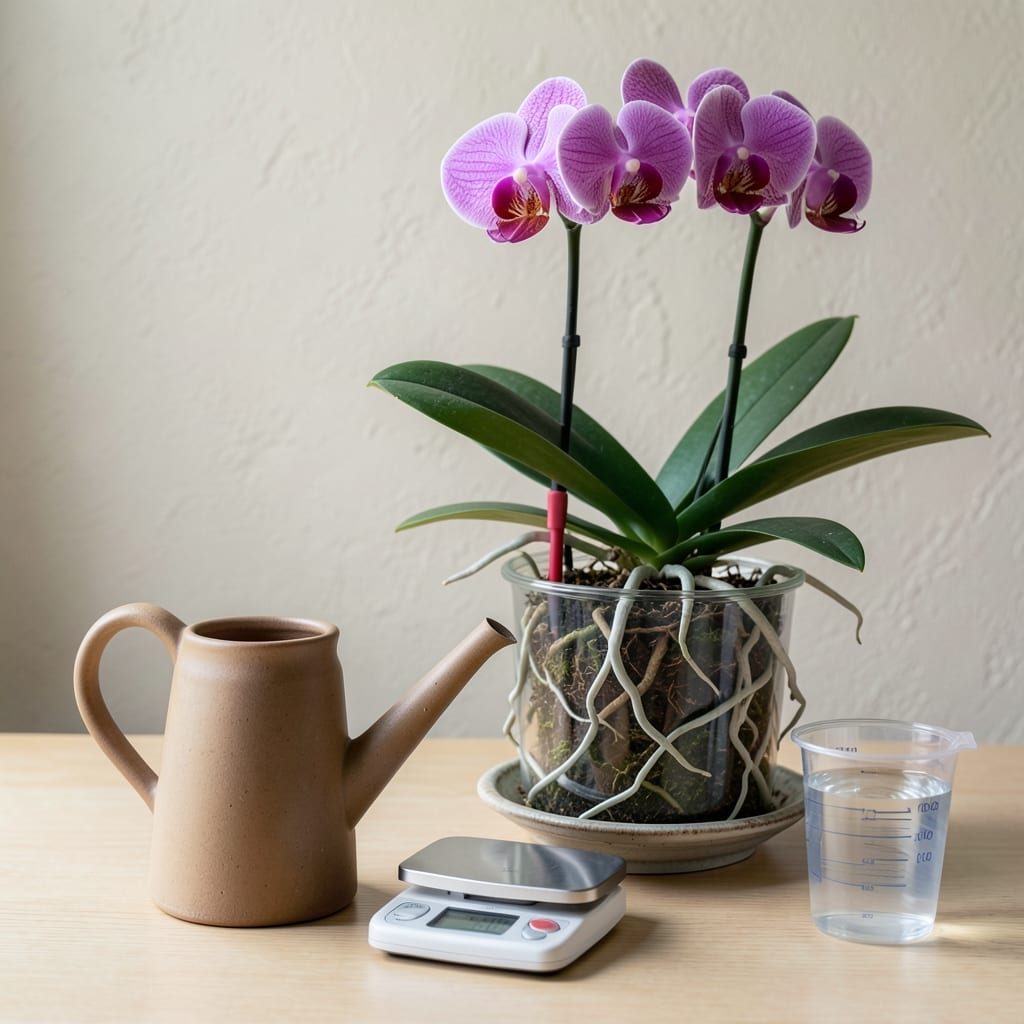
Mastering how often to water orchids in a dry environment isn't just about keeping them alive—it's about unlocking their full potential. Your 🌸 orchids might look delicate, but they’re surprisingly resilient when you get their watering routine right, especially in low-humidity zones like USDA Zone 6a.
Here’s the tricky part: Most gardeners assume orchids need frequent watering, but in dry climates, overdoing it can suffocate their roots faster than thirst can. I’ve learned the hard way that every 5–7 days is a starting point—but the real secret lies in reading your plant’s signals, not just following a calendar.
In this guide, I’ll break down exactly how to adjust your watering schedule based on your orchid’s species, humidity levels, and even seasonal shifts. You’ll discover how to spot the subtle signs of thirst (or overwatering) and tweak your routine to keep your orchids thriving year-round, even when the air feels like sandpaper.
Whether you’re a beginner struggling to keep your orchid alive or a seasoned grower looking to refine your technique, these actionable tips will help you strike the perfect balance. Let’s turn your dry-environment orchid care into a success story.
Orchid watering frequency in dry climates: species-specific guidelines
When it comes to orchid watering in dry environments, one size doesn’t fit all. Different orchid species have unique needs, and ignoring those can turn your 🌸 blooms into sad, wilted leaves. For example, my Phalaenopsis orchids (the classic "moth orchids") tolerate dry air better than Cattleyas, which need more frequent hydration to thrive. Understanding these differences is the first step to avoiding the root rot that kills more orchids than dehydration.
In low-humidity zones like USDA Zone 6a, air can feel like desert sandpaper, making water evaporate 3x faster than in humid climates. That’s why I’ve adjusted my watering schedule from the standard every 7–10 days to every 5–7 days for most of my collection. But before you grab your watering can, let’s break down the exact needs for the four most common orchid types you’ll grow at home.
🌱 Pro Tip: Always water in the morning to let excess moisture evaporate during the day. Nighttime watering in dry climates can lead to fungal infections because the air doesn’t dry out quickly enough.
| Orchid Type | Watering Frequency (Dry Climate) | Root Check | Special Notes |
|---|---|---|---|
| Phalaenopsis (Moth Orchid) | Every 5–7 days | Check when top 1 inch of mix feels dry | Tolerates dry air best; avoid hard water |
| Cattleya (Cattle Orchid) | Every 4–6 days | Roots should be silver-gray when dry | Needs higher humidity (40%+); mist leaves |
| Dendrobium (Stem Orchid) | Every 7–10 days (dormant: every 3–4 weeks) | Wait until pseudobulbs shrivel slightly | Drought-tolerant; reduce water in winter |
| Oncidium (Dancing Lady) | Every 6–8 days | Soil should be 60% dry between waterings | Loves bright light; avoid soggy roots |
Now, here’s where most gardeners go wrong: they assume that because their orchid’s leaves look plump and green, it’s getting enough water. But in dry climates, leaves can stay green while roots rot from overwatering. That’s why I inspect my orchid roots every 2 weeks. Healthy roots should be firm and green when hydrated, turning silver-gray when dry. If yours are mushy or black, you’re overwatering—even if the soil feels dry.
Another trick I use is the finger test: Stick your finger 1–2 inches into the mix. If it feels like a dry sponge, it’s time to water. If it’s still damp, wait another day. This method works 100% better than guessing based on a calendar, especially in summer heatwaves when evaporation speeds up.
For Phalaenopsis orchids, I’ve found that distilled or rainwater prevents mineral buildup in the mix, which is a common issue in dry climates with hard water. If you’re using tap water, let it sit out for 24 hours to reduce chlorine levels before watering. This small step has doubled my orchid’s bloom count over the past year.
Lastly, never skip the drainage test. Place your pot in a sink and water until it runs out the bottom. If water pools at the top after 10 minutes, your orchid is at risk of root suffocation. Upgrade to a clay pot with drainage holes if yours doesn’t have them—it’s a game-changer for dry environments.
How to adjust watering based on humidity levels and seasonal changes
In dry environments, humidity levels can shift dramatically between day and night, making it tricky to maintain the ideal 40–70% humidity orchids crave. I’ve found that using a hygrometer near my orchids helps me track these fluctuations—anything below 30% humidity signals it’s time to adjust my watering routine.
When humidity drops, orchids lose moisture faster through their leaves, so I water Phalaenopsis orchids every 5–6 days in summer instead of the usual 7–10. For Cattleya orchids, which are slightly more drought-tolerant, I stretch this to 7–9 days but monitor their thick leaves for wrinkling—a sure sign of thirst.
A simple trick I swear by is the finger test: Stick your finger about an inch into the potting mix. If it feels dry, water thoroughly until water drains freely from the bottom. If it’s still damp, wait another day. This method beats guessing and prevents the root rot that plagues dry-climate orchids.
Seasonal changes demand even more attention. During summer heatwaves, I increase watering frequency by 20–30% and move pots to shaded areas to reduce evaporation. In contrast, winter dormancy (for species like Dendrobium) means I cut back to every 10–14 days and avoid fertilizing to let the plant rest.
Another game-changer? Grouping orchids together creates a microclimate with higher humidity around the plants. I’ve seen this boost moisture retention by 15–20%**, allowing me to water less frequently without stressing the roots.
⚠️ Warning: Dry Air + Overwatering = Root Disaster
In low-humidity zones, overwatering is riskier than underwatering. When air is dry, orchid roots can’t absorb moisture efficiently, leading to soggy potting mix and fungal infections. Always check for drainage holes and use chunky bark mix to prevent compaction.
Pro tip: Use room humidifiers or place a tray of pebbles and water near your orchids (but keep the pot elevated to avoid soggy roots). This adds 10–15% humidity instantly, letting you water on a more predictable schedule. Pair this with morning watering to let leaves dry before nightfall, reducing fungal risks.
Remember, every orchid is unique—adjust based on leaf color, growth speed, and environmental cues. With these tweaks, your orchids will stay hydrated without drowning, even in the driest conditions. 💧☀️