
How To
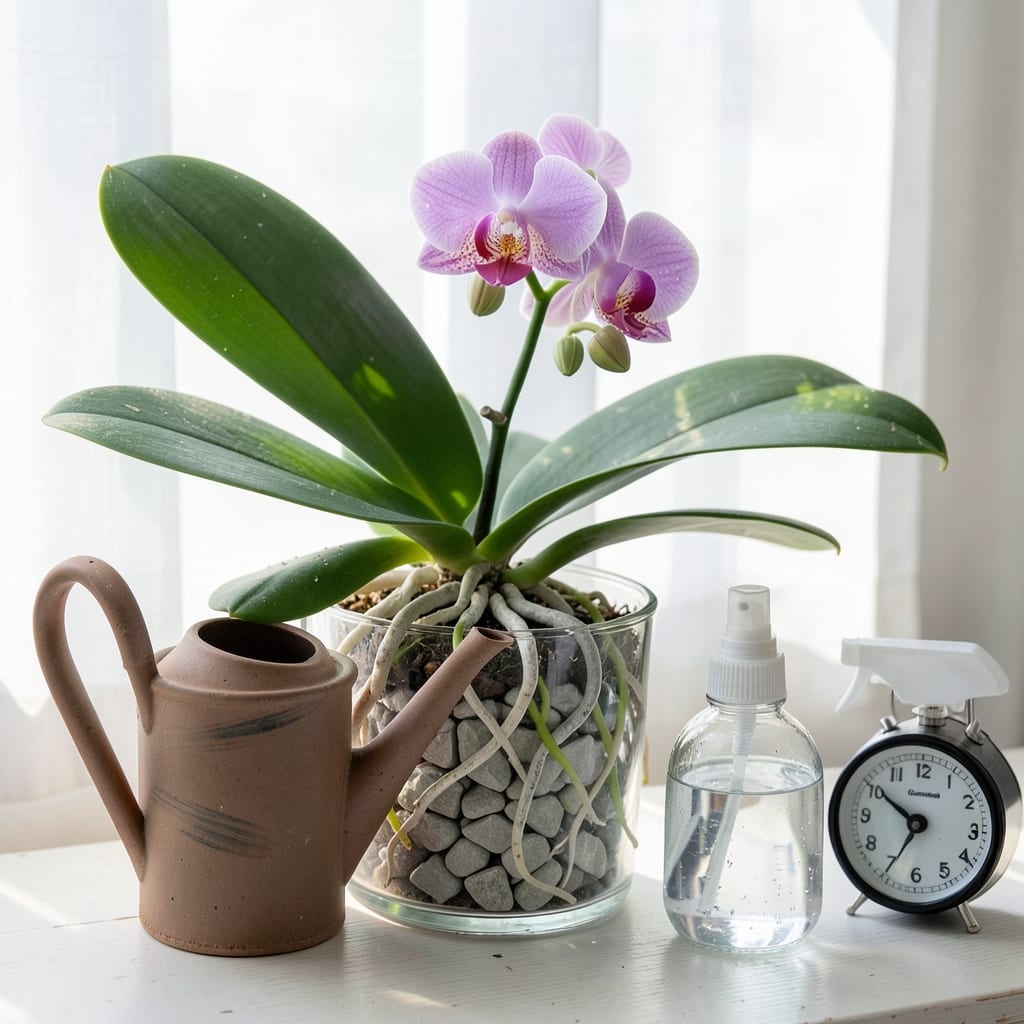
Mastering how often to water orchids in clay pebbles isn’t just about frequency—it’s about reading those roots like a pro. Too much water, and you’ll smother your 🌸; too little, and you’ll watch it wither. The truth? There’s a science-backed rhythm that keeps your orchid thriving without the guesswork.
If you’ve ever wondered why some growers swear by every 7–10 days while others adjust on the fly, the answer lies in your orchid’s environment. Humidity, temperature, and even the season play a huge role in when those clay pebbles need a refresh. I’ll break down the exact schedule, plus how to spot when your plant is begging for a drink—or when it’s better to wait.
What you’ll discover here isn’t just a timeline—it’s a game-changer for avoiding root rot or dehydration. Whether you’re a beginner or a seasoned grower, these tips will help you nail the balance. No more second-guessing—just confident care for your 🌸. Ready to transform your orchid’s future?
From checking root color to adjusting for winter slowdowns, you’ll learn how to fine-tune your watering routine like a pro.
Orchid watering schedule in clay pebbles: the 7-10 day rule explained
Orchids in clay pebbles thrive on a precise watering schedule that mimics their natural epiphytic habitat. Unlike traditional soil, clay pebbles drain rapidly and don’t hold moisture long-term, so timing is everything. The 7-10 day rule is your golden standard—but it’s not set in stone. Factors like humidity, temperature, and even your home’s airflow will tweak this schedule. Think of clay pebbles as a semi-hydroponic system: roots need hydration, but they also need air to breathe.
Most orchid growers swear by the 7-10 day watering window because clay pebbles dry out faster than bark or sphagnum moss. For example, my Phalaenopsis orchid in a 6-inch pot with clay pebbles gets watered every 7-8 days in summer, while my Cattleya in the same setup might stretch to 10 days because it’s more drought-tolerant. The key is checking root moisture before committing to a schedule—don’t just follow a calendar.
Clay pebbles change color when dry, turning from a dark, moist gray to a light tan. This visual cue is your best friend. If the top ½ inch of pebbles feels dry to the touch, it’s time to water. Pro tip: Use room-temperature water to avoid shocking the roots. Cold water can cause root rot or leaf drop, and orchids are sensitive to temperature fluctuations.
Seasonal adjustments are non-negotiable for orchids in clay pebbles. In summer, when humidity drops and temperatures rise, I water my orchids every 7 days—sometimes more often if the air feels dry. But in winter, when my home’s humidity hovers around 30%, I stretch the schedule to every 14-21 days. A hygrometer (even a cheap one) is a game-changer here. Aim for 40-70% humidity; below 40%, and your orchid will dry out faster than expected.
Another critical factor is your orchid’s species and growth stage. A blooming Phalaenopsis needs more frequent watering to support those heavy flower spikes, while a resting Cattleya can handle longer dry spells. Pay attention to your orchid’s leaves: if they’re puckering or wrinkling, it’s a cry for water. But if they’re yellowing or mushy, you’ve overdone it. Balance is everything.
Morning watering is non-negotiable for orchids in clay pebbles. Watering in the morning (before 10 AM) gives excess moisture time to evaporate, reducing the risk of root rot. I use a spray bottle with a fine mist for the first 30 seconds to hydrate the roots gently, then switch to a slow pour until water drains from the bottom. Never let orchids sit in standing water—clay pebbles drain fast, but stagnant water in the tray is a recipe for disaster.
Humidity plays a huge role in how often you water. In my humid bathroom, orchids in clay pebbles might only need water every 10 days because the air is naturally moist. But in my dry living room, I water every 7 days and use a pebble tray with water nearby to boost humidity. A 5-gallon bucket filled with pebbles and water under the orchid’s pot creates a microclimate that mimics tropical forests—perfect for orchids.
If you’re new to orchids, start with the 7-10 day rule and adjust based on your home’s conditions. Keep a watering journal for a month: note the date, how the pebbles looked, and any changes in the orchid’s leaves or roots. Over time, you’ll spot patterns. For example, I noticed my Dendrobium loves weekly watering in spring but can go 2 weeks in fall. Your journal will become your personal orchid bible.
Finally, don’t ignore the pot size. A small 4-inch pot dries out faster than a 6-inch pot, so adjust accordingly. And if you’re using a clear plastic pot, you can see the roots’ moisture levels—silver-gray roots mean they’re hydrated, while green roots are happy and healthy. When in doubt, check the roots before watering. It’s the best way to avoid <
Signs your orchid needs water (or too much!) In clay pebble setups
Clay pebbles make it easier to see when your orchid needs hydration—but they also trick many growers into overwatering. The key is learning the subtle visual and tactile cues that tell you whether your plant is thirsty or drowning. Unlike traditional soil, clay pebbles dry out faster and don’t hold moisture long-term, so your orchid’s roots rely on you to spot early warning signs before damage occurs.
First, check the color of your orchid roots. Healthy roots in clay pebbles should be silver-green when dry and turn a vibrant green when hydrated. If they’re consistently dark green or black, your orchid is overwatered. On the flip side, if roots look shriveled or grayish-white, it’s time to water immediately. These color shifts are your orchid’s way of communicating its needs without guesswork.
Pro Tip: Lift your pot to gauge weight. A dry clay pebble setup feels light as a feather, while a properly moistened one has noticeable weight. This simple test beats relying on a schedule—because humidity, temperature, and even your home’s airflow can change how often your orchid needs water.
Next, inspect the leaves for texture and color. Healthy leaves should be plump, firm, and glossy. If they feel wrinkled or droopy, your orchid is underwatered. Conversely, yellowing leaves or mushy stems signal root rot from overwatering. Pay extra attention to the leaf edges: brown, crispy tips often mean your orchid isn’t getting enough humidity alongside its water.
Another red flag is slow or no new growth. Orchids in clay pebbles should produce 1-2 new leaves or growth spikes every 3-4 months. If your plant is stagnant, it might be underwatered or lacking nutrients. Conversely, excessive new growth with weak stems can mean you’re overwatering, causing the orchid to prioritize survival over flowering.
Finally, watch for bloom health. Flowers that wilt quickly or drop prematurely often signal dehydration, while moldy or slimy pseudobulbs (in species like Cattleyas) mean your watering routine is too aggressive. Adjust your schedule based on these signs—your orchid’s blooms will thank you with longer-lasting, vibrant displays.
When in doubt, stick to the "finger test": Gently press a pebble near the root zone. If it feels bone-dry, water thoroughly. If it’s still damp, wait another 2-3 days. Mastering these cues will help you avoid the most common clay pebble mistakes and keep your orchid thriving year-round. 🌸