
Size
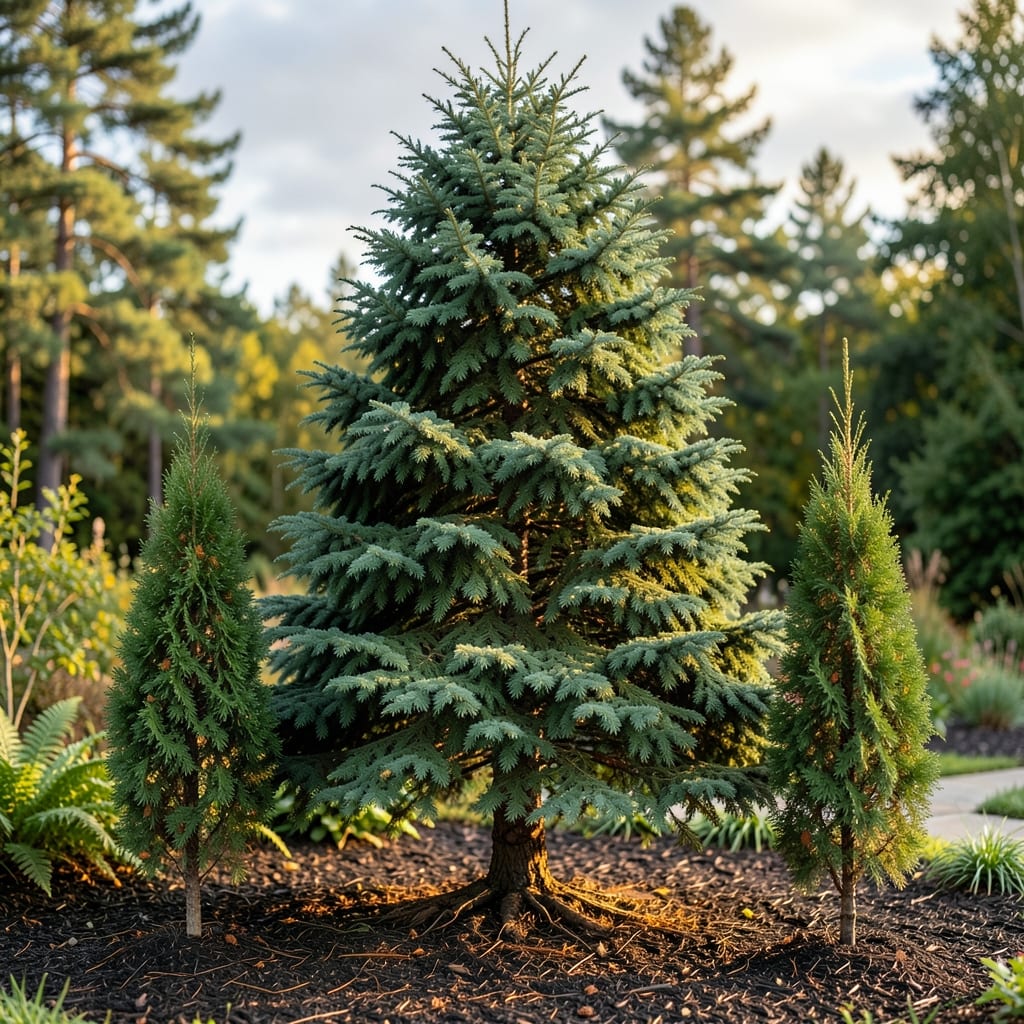
If you're wondering how tall arborvitae grow, the answer depends entirely on the variety you choose—some stay compact while others reach towering heights. Whether you need a privacy screen or a low-maintenance hedge, picking the right arborvitae makes all the difference in your landscape design.
Fast-growing varieties like Green Giant can shoot up to 40 feet in just a few years, while dwarf options like Emerald Green stay neatly under 10 feet. I’ll break down the fastest-growing types, their mature heights, and how to space them for optimal growth in your yard.
Knowing these details helps you avoid overcrowding or underwhelming results—especially in USDA Zone 6a, where arborvitae thrive. Let’s dive into the best choices for your space and how to keep them looking their best.
From hedges to privacy walls, arborvitae are versatile, but their growth habits vary wildly. Discover which size fits your vision and how to manage them for years of lush, green beauty.


Arborvitae mature height ranges by fastest-growing varieties
Choosing the right arborvitae for your landscape starts with understanding their mature height. Some varieties like Green Giant grow over 50 feet tall, while others like Emerald Green stay under 12 feet. The fastest-growing types can add 3-5 feet per year under ideal conditions, making them perfect for quick privacy screens or windbreaks.
If you're working with limited space, compact varieties like Leap 'n Grow or Teddy Bear arborvitae are excellent choices. These stay under 10 feet but still provide dense foliage for hedges or foundation plantings. For larger properties, standard varieties like American Arborvitae or Western Red Cedar reach 40+ feet and create stunning focal points.
Here’s a quick comparison of the fastest-growing arborvitae and their mature heights to help you visualize their potential in your yard:
| Variety | Mature Height (ft) | Growth Rate (ft/yr) | Best For |
|---|---|---|---|
| Green Giant (Thuja standishii) | 40-50 ft | 3-5 ft | Privacy screens, large properties |
| Emerald Green (Thuja occidentalis) | 12-15 ft | 1-2 ft | Hedges, small yards |
| Leap 'n Grow (Thuja occidentalis) | 8-10 ft | 2-3 ft | Foundation plantings, borders |
| American Arborvitae (Thuja occidentalis) | 30-40 ft | 2-4 ft | Woodland edges, large landscapes |
| Teddy Bear (Thuja occidentalis) | 3-5 ft | 0.5-1 ft | Containers, small gardens |
The Green Giant is the fastest-growing arborvitae, often reaching 50 feet in just 10-15 years. This makes it ideal for homeowners needing a quick privacy screen or windbreak. However, its size requires ample space—plant it at least 10 feet from structures and 20 feet from sidewalks to avoid overcrowding.
For smaller spaces, the Emerald Green arborvitae is a classic choice. It grows 12-15 feet tall and 3-5 feet wide, making it perfect for hedges or foundation plantings. Its dense, columnar shape provides year-round greenery without overwhelming your yard. Prune lightly in late winter or early spring to maintain its neat appearance.
If you're looking for a medium-height option, the Leap 'n Grow arborvitae is a standout. It grows 8-10 feet tall and 4-6 feet wide, with a growth rate of 2-3 feet per year. This variety is excellent for borders or mixed hedges because it tolerates partial shade better than some other types.
When planting arborvitae, always consider spacing guidelines. Standard varieties need 10-15 feet of space between plants, while dwarf types can be spaced 3-5 feet apart. Overcrowding can lead to poor air circulation, increasing the risk of fungal diseases like canker or blight. Always plant in well-draining soil and water deeply after planting to encourage strong root growth.
Pro tip: Use mulch around the base of your arborvitae to retain moisture and suppress weeds. A 3-inch layer of organic mulch (like pine straw or shredded bark) will also protect roots from temperature fluctuations during winter. Just keep mulch 6 inches away from the trunk to prevent rot.
For fastest growth, ensure your arborvitae gets full sun to partial shade (at least 6 hours of sunlight daily). In USDA zones 3-8, these trees thrive with moderate watering—about 1-2 gallons per week during the first year, then deep watering every 10-14 days once established.
Whether you choose a towering Green Giant or a compact Teddy Bear, arborvitae are low-maintenance and disease-resistant once established. Their evergreen foliage adds year-round interest, and their fast growth makes them a favorite for both privacy solutions and landscape accents.
How arborvitae growth rates vary by species and climate
Understanding how fast your arborvitae grows depends on two key factors: species selection and climate conditions. Some varieties like Green Giant can surge 3-5 feet per year in ideal conditions, while slower growers like Emerald Green add just 6-12 inches annually. Your USDA hardiness zone also plays a role—arborvitae thrive in zones 3-8, but growth slows in colder northern climates.
Sunlight exposure accelerates growth dramatically. Arborvitae planted in full sun (6+ hours daily) can reach maturity 20-30% faster than those in partial shade. For example, a Leap 'n Grow arborvitae might hit 10 feet in 3 years with full sun exposure, while shaded plants may take 5+ years to reach the same height. Soil drainage matters too—waterlogged roots stunt growth by up to 50%.
🌱 Growth Rate Factors
| Factor | Impact on Growth | Optimal Condition |
|---|---|---|
| Sunlight | Full sun = 30% faster growth | 6+ hours daily |
| Soil Type | Well-draining = 2x growth rate | Sandy loam |
| Watering | Deep soaks = 15% height increase | 1-2 gallons weekly |
| Climate Zone | Zones 5-7 = fastest growth | USDA 5-7 |
Pruning plays a surprising role in height control. If you want to limit height, prune the top 1/3 of new growth in late spring. This technique can reduce Green Giant growth by 30-40% while maintaining a fuller shape. For hedge varieties, shear annually in early summer to encourage bushier, denser growth rather than vertical expansion.
In cooler climates (zones 3-4), growth slows significantly during winter. A Thuja occidentalis planted in Maine might only add 4-6 inches per year compared to 12+ inches in Georgia. To compensate, use mulch (3-4 inches) around the base to protect roots and maintain consistent moisture during dry spells.
For fastest growth, combine these strategies: plant in full sun, amend soil with compost, and water deeply twice weekly during the first growing season. With these conditions, even slower varieties like American Arborvitae can reach 15 feet in 5 years instead of the typical 10 years.
Remember that mature height is just one piece of the puzzle—consider spread width too. A Green Giant might top 40 feet but spreads 12-15 feet wide, while a Emerald Green stays compact at 3-4 feet wide. Plan your spacing accordingly to avoid overcrowding as your arborvitae matures.