How To
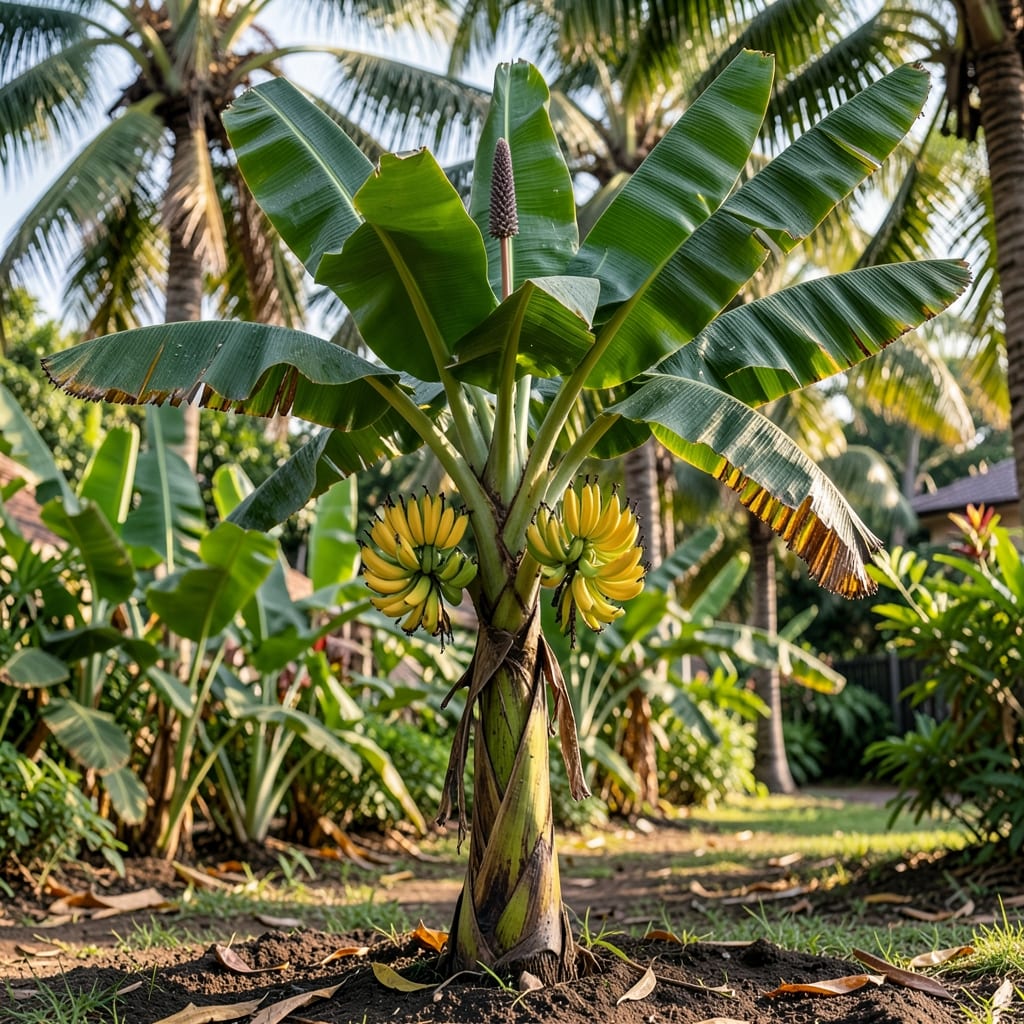
How tall can a banana tree grow? If you’ve ever imagined a 🍌 reaching the second story of your home—or even taller—you’re not alone. Some varieties stretch over 30 feet, while others stay compact enough for patio pots. The secret to unlocking your banana tree’s full potential lies in understanding its variety, growing conditions, and a few care tricks most gardeners miss.
Picture this: a Dwarf Cavendish standing at just 12 feet, perfect for small yards, while a Giant Robusta towers at 35 feet or more in tropical climates. Whether you’re dreaming of a backyard harvest or container gardening, knowing your tree’s growth habits is the first step to success. Let’s break down the factors that determine height—and how to nurture your banana tree to its full glory.
Climate plays a huge role. In USDA Zones 10-12, banana trees thrive year-round, but in cooler areas like Zone 6, they need containers and winter protection. Soil, sunlight, and even pruning techniques can push your tree toward its maximum height—or keep it manageable. I’ll show you how to give your banana tree the best shot at reaching its potential, whether you’re a seasoned gardener or a curious beginner.
Ready to grow a banana tree that doesn’t just survive but thrives? You’ll discover the key varieties for your space, care secrets to boost growth, and how to avoid common mistakes that stunt height. Let’s get started!


Banana tree height by variety: from dwarf to giant species
When I first planted my Dwarf Cavendish banana tree, I never imagined how dramatically different varieties can be in size. Some banana trees stay small enough for patio pots, while others reach the height of a two-story house. The key to choosing the right variety lies in understanding their mature heights and growth habits. Let’s explore the most popular types and what to expect from each.
Dwarf varieties like the Dwarf Cavendish typically grow between 6-10 feet, making them perfect for small gardens or containers. These compact trees produce fruit in just 9-12 months, which is great for impatient gardeners like me! On the other end of the spectrum, Giant Robusta varieties can soar to 35 feet or taller, requiring ample space and tropical conditions to thrive.
Here’s a quick look at how different banana varieties compare in height and growth characteristics:
| Variety | Mature Height | Growth Habit | Best For |
|---|---|---|---|
| Dwarf Cavendish | 6-10 ft | Compact, upright | Containers, small gardens |
| Lady Finger | 10-12 ft | Medium, clumping | Tropical gardens, pots |
| Red Dacca | 12-18 ft | Tall, single-stem | Large gardens, tropical climates |
| Musa acuminata | 20-30 ft | Very tall, spreading | Tropical landscapes |
| Giant Robusta | 35+ ft | Massive, fast-growing | Commercial farms, large estates |
| Bluggoe | 15-20 ft | Medium-tall, hardy | Subtropical zones, containers |
| Ice Cream Banana | 8-12 ft | Compact, decorative | Ornamental gardens, pots |
If you’re growing banana trees in containers, dwarf or semi-dwarf varieties like the Lady Finger or Ice Cream Banana are your best bets. These stay manageable while still producing fruit. For tropical climates, taller varieties like Musa acuminata or Red Dacca will thrive with proper care, but they need space to reach their full potential.
One common misconception is that all banana trees grow equally tall. In reality, their height is largely determined by genetics. For example, the Dwarf Cavendish will never grow taller than 10 feet, no matter how much you fertilize. However, factors like sunlight, soil quality, and watering can influence how quickly they reach their mature height.
For gardeners in cooler climates (Zone 6 or lower), choosing a dwarf variety is essential. Even then, you’ll need to move potted trees indoors during winter to protect them from frost. I’ve found that Bluggoe is a great choice for these areas—it’s hardier and stays within a manageable height range.
Remember, banana trees grow fastest during their first 2-3 years. A Dwarf Cavendish might only reach 3-5 feet in its first year but can double in height the following year. Plan accordingly if you’re adding one to your garden or patio!
How to maximize your banana tree’s height potential
If you’ve ever dreamed of a banana tree reaching its full height potential, you’re not alone! The difference between a 10-foot dwarf and a 35-foot giant often comes down to care techniques. I’ve learned that banana trees respond dramatically to soil nutrition, pruning strategies, and climate adjustments. Let’s dive into the practical steps that can push your tree toward its maximum height—whether you’re growing in a tropical paradise or a cooler suburban backyard.
First, focus on soil fertility. Banana trees are heavy feeders, especially during their rapid growth phases. A balanced fertilizer with equal parts nitrogen, phosphorus, and potassium (like 10-10-10) encourages strong stem development. I’ve found that adding compost or banana-specific fertilizer every 4-6 weeks during spring and summer gives my trees the boost they need. For container-grown trees, a slow-release fertilizer mixed into the soil at planting can provide steady nutrition without overloading the roots.
Here’s a quick comparison of what works (and what doesn’t) for maximizing height:
🌱 DO THIS for Maximum Height
- ✅ Use well-draining, nutrient-rich soil (mix compost with native soil)
- ✅ Fertilize every 4-6 weeks with balanced NPK (10-10-10)
- ✅ Prune selectively—remove only dead or damaged leaves
- ✅ Water deeply (1-2 gallons for containers, 10+ gallons for in-ground)
- ✅ Provide full sun (6+ hours daily)
⚠️ AVOID THIS to Prevent Stunted Growth
- ❌ Over-pruning (removing healthy leaves slows growth)
- ❌ Under-watering (leads to weak stems and poor height development)
- ❌ Poor drainage (root rot stunts growth)
- ❌ Shade exposure (reduces photosynthesis and height potential)
- ❌ Skipping fertilizer (nutrient deficiencies limit growth)
For gardeners in cooler climates (Zones 6-9), extending the growing season is key. I’ve had success with container growing—potting my banana trees in large containers allows me to move them indoors during winter. Even a few extra months of growth can make a noticeable difference in height. If you’re in a tropical zone (10-12), focus on protecting your tree from strong winds, which can damage stems and limit height potential.
One trick I’ve picked up is staking young banana trees. While they don’t need support indefinitely, a bamboo stake or trellis during the first year helps prevent the stem from bending under the weight of new leaves. This keeps the tree upright and encourages vertical growth. Just be sure to remove stakes once the tree is established—you don’t want to restrict natural expansion!
Finally, remember that patience is key. Banana trees grow fastest in their first 2-3 years, so don’t expect dramatic height gains overnight. With the right care, a Dwarf Cavendish can reach its 10-foot potential in just a couple of years, while a Musa acuminata might take 3-4 years to hit 20 feet. The secret is consistency—soil, water, sun, and nutrients—all working together to help your banana tree reach its full glory.