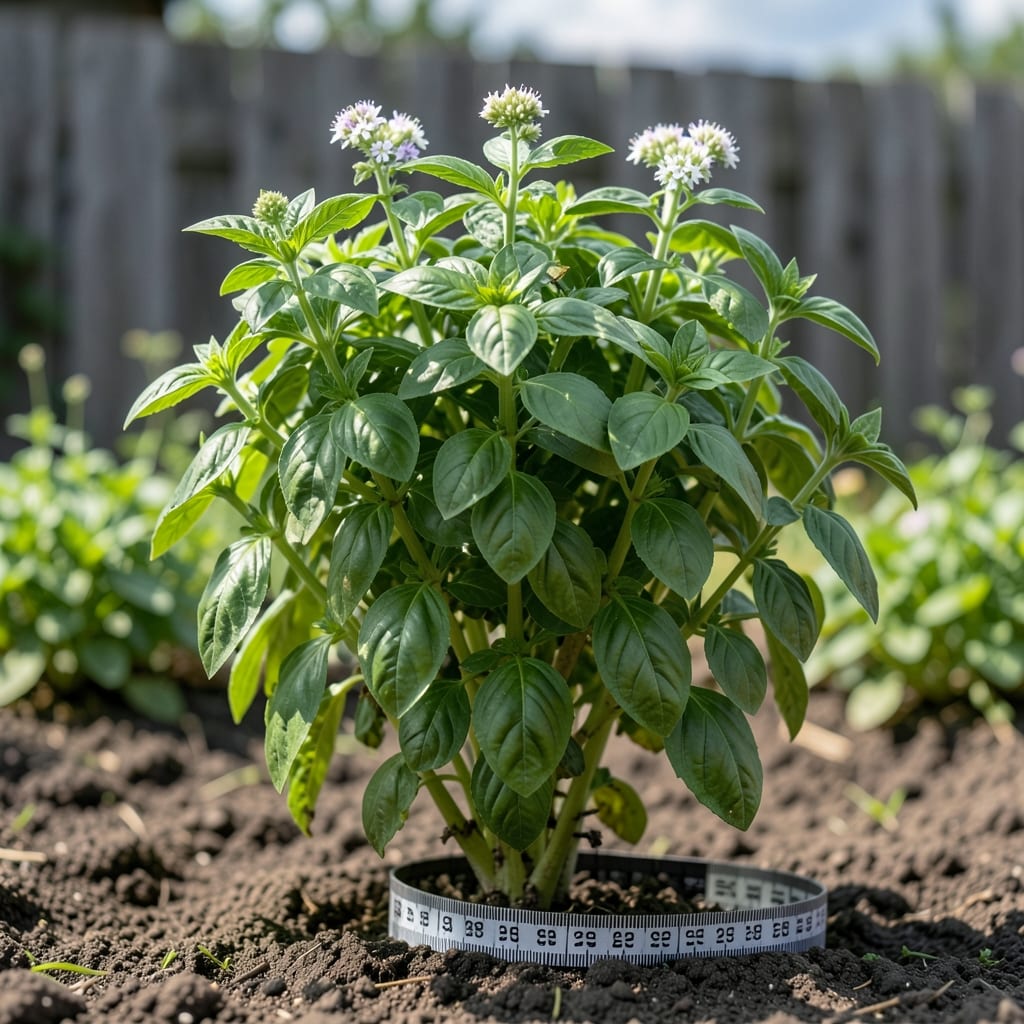
If you’ve ever wondered how tall can a basil plant grow—or why yours seems to stretch toward the sky like it’s reaching for the clouds—you’re not alone. Basil’s height isn’t just about genetics; it’s a dance between the variety you’re growing, how you prune it, and even the light it gets. Some varieties stay compact, while others can tower, and the difference often comes down to a few simple (but crucial) growing habits.
Picture this: you plant a seed in USDA Zone 6a during that sweet April-May window, dreaming of lush, bushy basil by summer. But instead of a manageable 1-2 foot plant, you’re left with a leggy, skinny stem that barely holds its leaves. That’s where the magic happens—because with the right techniques, you can coax your basil into a bushier, more productive shape, no matter its natural height.
From dwarf varieties that stay under 12 inches to towering Genovese plants that can hit 2.5 feet, each type has its own growth story. The key? Knowing when to pinch, how to harvest, and why overcrowding might be sabotaging your plant’s potential. Let’s break down the science—and the simple tricks—to keep your basil thriving at the perfect height for your kitchen (and your sanity).
Ready to transform that straggly stem into a flourishing herb garden? I’ll walk you through the exact steps—plus the common mistakes that turn basil into a tall, weak shadow of its potential. No guesswork, just results.
Basil plant height by variety: from compact dwarf to towering Genovese
When you’re asking how tall can a basil plant grow, the answer starts with the variety you’ve chosen. Some basil types stay neatly contained in a 6-inch pot, while others reach for the sky like they’re auditioning for a jungle gym. For example, Genovese basil, the classic Italian favorite, typically matures between 1.5 to 2.5 feet—tall enough to brush your chin if you’re short. Meanwhile, dwarf varieties like 'Spicy Globe' max out at just 6-12 inches, making them perfect for windowsills or tiny containers.
But here’s the twist: even within a single variety, your basil’s height can vary wildly based on growing conditions. A Thai basil plant might stay compact in a shady balcony but stretch toward 2 feet if given full sun. The key is understanding each variety’s natural growth habit and how to tweak care to keep it in check—or let it grow wild if that’s your vibe.
Let’s dive into the specifics. Below, you’ll find a breakdown of 10+ popular basil varieties, their mature heights, and whether they’re better suited for containers, garden beds, or hanging baskets. Pro tip: if you’re growing basil in containers, choose dwarf or semi-dwarf types to avoid root-bound stress, which can stunt growth or make plants leggy.
| Variety |
Mature Height |
Growth Habit |
Best For |
Spacing |
| Genovese |
1.5–2.5 ft |
Upright, bushy |
Garden beds, large pots |
12–18 in apart |
| Thai (Holy) |
1–2 ft |
Compact, spreading |
Containers, hanging baskets |
8–12 in apart |
| Purple Ruffles |
1–1.5 ft |
Bushy, ornamental |
Decorative pots, borders |
10–12 in apart |
| Lemon Basil |
1.5–2 ft |
Tall, upright |
Garden beds, tall pots |
12–16 in apart |
| Spicy Globe |
6–12 in |
Dwarf, rounded |
Windowsills, small pots |
6–8 in apart |
| Cinnamon Basil |
1–1.5 ft |
<
How to control basil height: pruning techniques for bushier, more productive plants
Pruning isn’t just about trimming—it’s the secret weapon to keeping your basil plants from growing too tall and leggy. When done right, pruning encourages lateral growth, meaning more leaves and a bushier shape instead of a single towering stem. Think of it like training a plant to grow outward rather than upward, which is especially useful if you’re growing varieties like Genovese basil that can reach 2.5 feet without intervention.
The best time to start pruning is when your basil plant has 4-6 sets of leaves and is about 6 inches tall. This is when you’ll begin the process of pinching—removing the top set of leaves just above a pair of leaves. This might sound counterintuitive, but it signals the plant to focus on growing more branches rather than stretching taller. I’ve found that plants pruned this way often produce 30-50% more leaves over their lifetime.
🌿 Step-by-Step Pruning Guide for Basil
- Step 1: Wait until your basil has 4-6 leaf sets and is 6 inches tall.
- Step 2: Use clean pruning shears or your fingers to pinch off the top set of leaves just above a pair of leaves.
- Step 3: Repeat every 2-3 weeks to encourage new growth from the sides.
- Step 4: Harvest leaves by cutting just above a leaf node to promote branching.
- Step 5: Remove any flower buds immediately—they signal the end of leaf production.
💡 Pro Tip: Always prune in the morning to allow wounds to heal before evening moisture sets in.
If your basil has already grown too tall and leggy, don’t panic. You can still revive it by giving it a hard prune. Cut back the main stem by about one-third just above a leaf node. This might seem drastic, but it’ll trigger the plant to send out new shoots from the sides. I’ve seen basil plants that were nearly 2 feet tall and spindly transform into bushy, productive plants within 3-4 weeks after a hard prune.
Another key technique is defoliation, which involves removing some of the lower leaves to improve airflow and sunlight penetration. This is especially useful if you’re growing basil in containers or densely packed garden beds. By removing a few leaves from the bottom, you prevent fungal diseases and encourage the plant to focus its energy on producing new growth higher up. Just be sure to leave enough leaves to keep the plant photosynthetically active.
For container-grown basil, pruning is even more critical because space is limited. If you’re growing multiple plants in one pot, prune regularly to prevent overcrowding. Overcrowded basil plants compete for light and nutrients, leading to tall, weak stems. Aim to keep your container basil at a manageable 12-18 inches tall by consistently pinching and harvesting. This not only keeps the plant compact but also ensures a steady supply of fresh leaves throughout the growing season.
Finally, remember that harvesting is pruning. Every time you pick leaves for cooking, you’re encouraging the plant to grow more. The key is to harvest regularly—about one-third of the plant at a time—and always cut just above a leaf node. This simple habit keeps your basil bushy, productive, and at an ideal height for easy harvesting. With these techniques, you’ll never again wonder why your basil keeps growing tall and skinny—just tall, healthy, and full of flavor. ✂️🌿
★★★★★4.7(9 reviews)