
Size
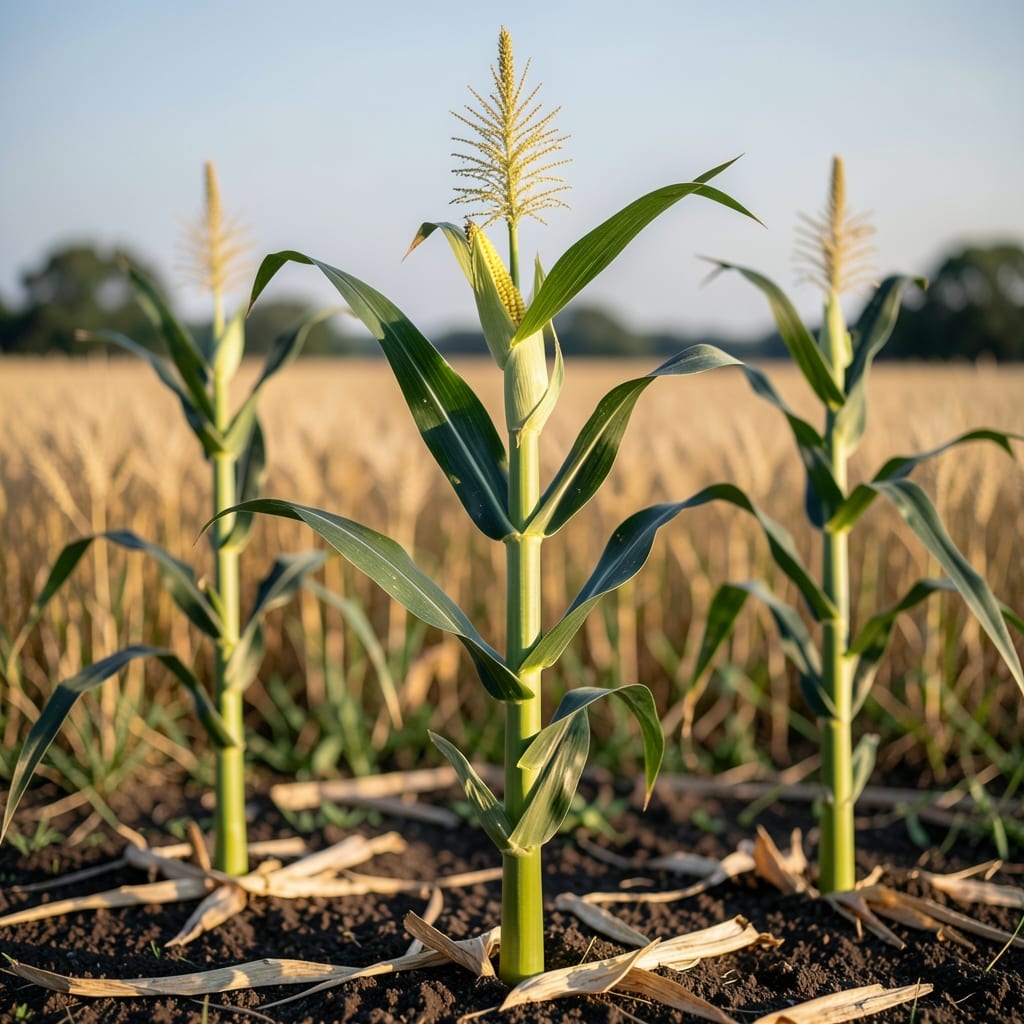
If you’ve ever wondered just how tall a corn plant can grow, you might be surprised to learn that some varieties stretch taller than you think—up to 14 feet in extreme cases! While most backyard gardeners grow corn between 6 and 10 feet, certain heirloom and hybrid varieties like 'Mammoth Melting' can reach the sky, making them a stunning focal point in any garden.
But here’s the thing: height isn’t just about variety—it’s also about the right conditions. Soil quality, sunlight exposure, and even watering habits play a huge role in whether your 🌽 corn will stay compact or shoot up like a skyscraper. If you’re planning a garden this spring, knowing these factors can mean the difference between a modest harvest and a towering, productive stand.
In this guide, I’ll break down the tallest corn varieties, what makes them grow so high, and how you can encourage (or control) their height in your own space. Whether you’re working with a small urban plot or a sprawling backyard, these tips will help you grow corn that’s not just tall, but thriving.
Ready to turn your garden into a corn-filled skyline? Let’s dive into the secrets of growing corn that reaches for the clouds—literally. You’ll learn how to pick the right variety, optimize your soil, and even troubleshoot common growth issues so your plants hit their full potential.


Corn plant height records: tallest varieties and their staggering heights
When I first learned that some corn varieties can grow taller than a basketball hoop, I had to see it for myself. The tallest corn plants on record—like the legendary 'Mammoth Melting'—can reach an astonishing 14 feet or more, making them a true garden giant. These varieties aren’t just impressive; they’re also a testament to how much corn can grow under the right conditions.
Most backyard gardeners grow standard sweet corn varieties that reach between 6 and 10 feet, but if you’re aiming for sky-high plants, you’ll want to focus on heirloom and hybrid varieties bred for height. The secret to their towering stature lies in their genetics, soil richness, and ideal growing conditions. Let’s explore the tallest varieties and what makes them grow so tall.
What’s fascinating is how soil fertility and sunlight exposure play a role in their growth. Corn plants need nitrogen-rich soil to fuel their rapid upward growth, and they thrive in full sun (6–8 hours daily). In my own garden, I’ve seen 'Mammoth Melting' reach its full potential when planted in well-draining, compost-amended soil with consistent moisture.
Climate also matters—corn grows best in warm temperatures (70–85°F), and cooler nights can slow height progression. If you’re in a shorter growing season zone, opt for early-maturing varieties like 'Peaches and Cream' to maximize height before frost sets in. Even in ideal conditions, though, not all corn will reach record-breaking heights—genetics play a huge role.
One common misconception is that taller corn always means better yields. While tall varieties like 'Country Gentleman' produce more ears, they also require more space and support. If your garden is small, consider semi-dwarf varieties that still reach 6–8 feet but are easier to manage. The key is balancing height with your garden’s layout and your harvesting goals.
For those aiming for record heights, trellising or staking can help support the stalks as they grow. I’ve used bamboo stakes wrapped in twine to prevent toppling, especially in windy conditions. This not only protects the plants but also makes harvesting easier—no more bending over for ears at eye level!
If you’re curious about growing your own towering corn, start with a small patch of 'Mammoth Melting' or 'Country Gentleman' and monitor their growth closely. Keep a journal to track soil moisture, sunlight hours, and height milestones. You might just grow the tallest corn in your neighborhood—and who knows, maybe even set a new local record!
🌽
How to grow extra-tall corn: tips for maximizing plant height
If you’re dreaming of corn plants that reach for the sky, you’re not alone! While some varieties naturally grow taller, there are proven techniques to encourage extra height in your garden. The key lies in optimal spacing, nutrient-rich soil, and consistent care. Let’s explore how to coax your corn plants to new heights—without sacrificing their health or yield.
First, spacing is everything. Plant seeds 12-18 inches apart in rows spaced 30-36 inches apart. This gives roots room to spread and reduces competition for nutrients, allowing each plant to focus on vertical growth. Crowded corn plants will grow lanky and weak, so don’t skimp on space—think of it as giving your giants room to stretch!
Spacing
- Plant seeds 12-18" apart
- Row spacing: 30-36"
- Prevents competition for nutrients
- Encourages stronger stalks
Next, soil nutrients are the foundation of tall growth. Corn is a heavy feeder, especially during its rapid growth phase. Amend your soil with compost or aged manure before planting to boost organic matter. Then, side-dress with a balanced fertilizer (5-10-10) when plants reach 6-8 inches tall. Focus on nitrogen for leafy growth and phosphorus for root development—this combo fuels vertical expansion.
Watering plays a critical role too. Corn plants need 1-2 inches of water per week, especially during tasseling and ear development. Water deeply in the morning to reduce evaporation and fungal risks. Avoid overhead sprinkling, which can weaken stalks. Instead, use drip irrigation or soaker hoses to deliver water right to the roots, promoting steady, upward growth.
For extra support, consider trellising tall varieties like 'Mammoth Melting.' Use sturdy stakes or a corn trellis system to guide plants upward, reducing the risk of lodging (when stalks fall over). This isn’t just for show—it also improves air circulation, lowering the chance of disease in dense foliage. Plus, it makes harvesting those towering ears a breeze!
Finally, watch for common growth inhibitors. Overcrowding, poor drainage, or nutrient deficiencies can stunt height. If your corn starts leaning or yellowing, it’s a sign to adjust your care routine. Mulch around the base with straw to retain moisture and regulate soil temperature, creating ideal conditions for sky-high growth.