
Trees
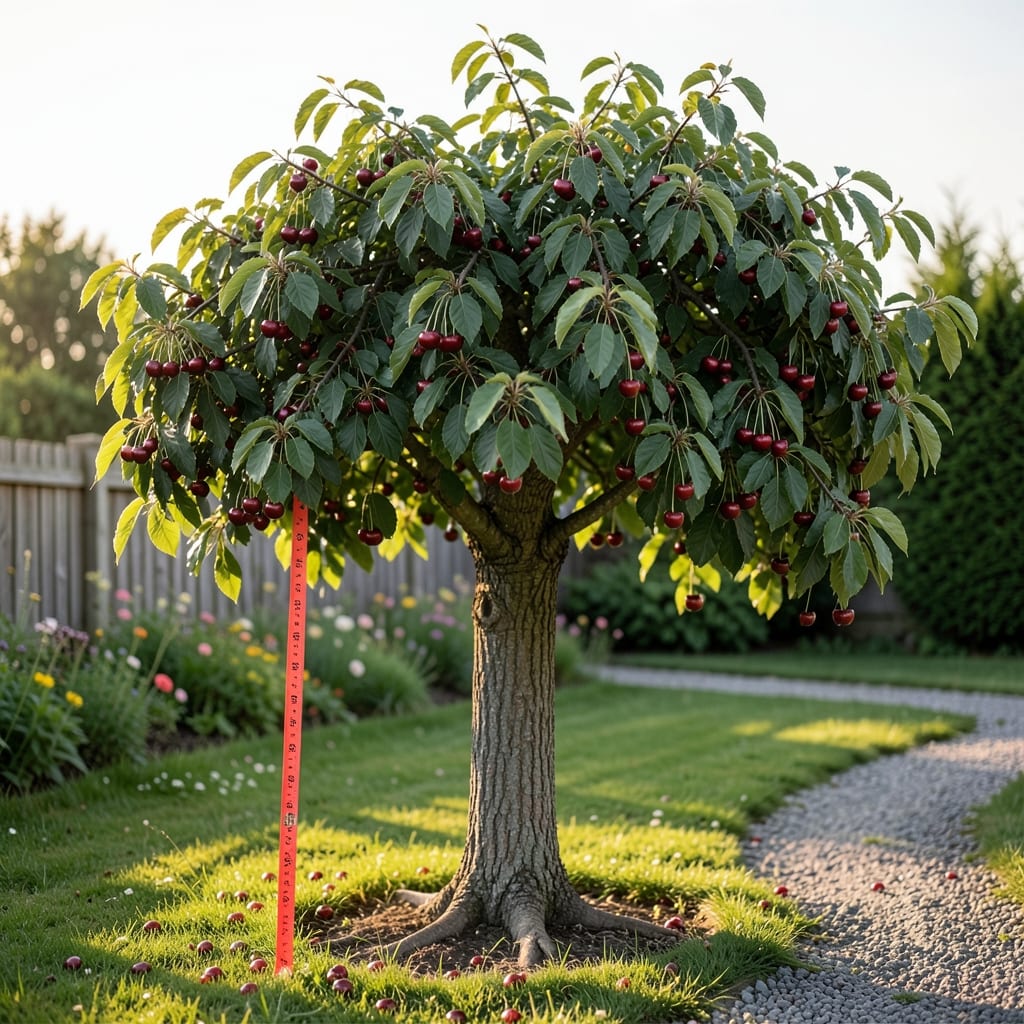
If you're dreaming of a backyard filled with sweet-smelling blossoms and juicy 🍒 cherries, you might be wondering just how tall a cherry tree can grow. The answer will surprise you—these trees can range from compact 8-foot dwarfs perfect for containers to towering giants reaching 40 feet or more, shading entire yards and beyond.
But before you start measuring your space, here's the key: not all cherry trees are created equal. Some varieties stay small and manageable, while others grow fast and tall, requiring careful planning. Whether you're a city dweller with limited space or a rural gardener with acres to fill, there's a cherry tree height that's perfect for you.
In this guide, I'll break down the height differences between dwarf, semi-dwarf, and standard varieties, so you can pick the one that fits your garden like a glove. You'll also discover how to control growth, maximize fruit production, and keep your tree healthy—no matter how big (or small) you want it to be.
Ready to find the perfect cherry tree for your space? Let's explore the stunning range of heights and how to make the most of them.


Cherry tree height by variety: dwarf to giant size comparison
When planning your garden, knowing the mature height of a cherry tree is essential. These trees come in three main size categories: dwarf, semi-dwarf, and standard, each offering unique benefits. Dwarf varieties stay under 12 feet, making them ideal for small spaces, while standard trees can soar to 40 feet or taller, dominating your landscape.
Your choice depends on space, sunlight, and maintenance preferences. For example, a Stella® cherry tree (dwarf) stays around 8-10 feet, perfect for patios, while a Bing cherry tree (standard) reaches 20-30 feet, requiring ample yard space. Let’s explore the height ranges and ideal conditions for each variety.
🌱
| Variety | Mature Height | Best For | Sunlight Needs | Fruit Type |
|---|---|---|---|---|
| Stella® (Dwarf) | 8-12 ft | Containers, small yards | Full sun (6+ hrs) | Sweet cherries |
| Montmorency (Semi-Dwarf) | 12-18 ft | Backyards, orchards | Full sun (6+ hrs) | Tart cherries |
| Bing (Standard) | 20-30 ft | Large properties | Full sun (6+ hrs) | Sweet cherries |
| Rainier (Standard) | 25-40 ft | Landscaping, shade trees | Full sun (6+ hrs) | Sweet cherries |
| Black Tartarian (Standard) | 20-30 ft | Orchards, rural areas | Full sun (6+ hrs) | Tart cherries |
Dwarf varieties like the Stella® cherry tree are perfect for urban gardens or balconies, while semi-dwarf options like Montmorency offer a balance between manageable size and abundant fruit. Standard trees, such as Bing or Rainier, are best suited for rural settings where their towering presence adds beauty and shade.
If you’re growing cherries in containers, dwarf varieties are your best bet. They thrive in 15-20 gallon pots and can be moved seasonally for optimal sunlight. Just ensure the container has drainage holes to prevent root rot, a common issue with overwatered potted trees.
For larger spaces, standard cherry trees provide stunning spring blooms and a canopy of shade. However, their height means they’ll need regular pruning to maintain shape and encourage fruit production. Always prune in late winter or early spring before new growth begins.
🌳
Another factor influencing height is the rootstock used during grafting. Dwarf rootstocks restrict growth, while standard rootstocks allow trees to reach their full potential. If you’re unsure which variety to choose, consider your yard size, sun exposure, and maintenance commitment—these will guide you toward the perfect cherry tree for your needs.
For example, if your yard is only 10 feet wide, a dwarf variety like Stella® will fit perfectly, while a 20-foot-wide area could accommodate a semi-dwarf like Montmorency. Always measure your space before purchasing, and don’t forget to account for the tree’s spread, which can be nearly as wide as its height.
🪴
How to choose the right cherry tree height for your space
Selecting the perfect cherry tree height depends on your yard size, sunlight exposure, and maintenance preferences. If you live in a small urban backyard, a dwarf variety like 'Stella' (8-10 feet) is ideal—it thrives in containers and produces abundant fruit without overwhelming your space. For suburban homes with moderate yards, semi-dwarf varieties like 'Black Tartarian' (12-15 feet) strike a balance between manageable size and generous harvests.
Before planting, measure your space and consider mature height plus spreading branches. A standard cherry tree like 'Bing' can reach 30-40 feet, requiring ample room and professional pruning to maintain safety and fruit accessibility. Always check local regulations, as some neighborhoods restrict tree heights near property lines.
🌱
📝 Key Factors for Choosing Cherry Tree Height
- 🏡 Space: Dwarf (containers), Semi-Dwarf (small yards), Standard (large properties)
- ☀️ Sunlight: All varieties need 6+ hours of full sun daily
- 🌱 Soil: Well-draining, slightly acidic (pH 6.0-6.5) soil prevents root rot
- ✂️ Maintenance: Dwarf trees need less pruning; standard trees require annual shaping
- 🍒 Fruit Type: Sweet cherries (e.g., 'Rainier') vs. tart cherries (e.g., 'Montmorency')
For container growing, prioritize self-pollinating varieties like 'Balaton' or 'Lapins', which stay under 10 feet and produce fruit without needing a second tree. Ensure your pot has drainage holes and is at least 18 inches wide to accommodate root growth. In-ground plantings should include 4-6 inches of compost mixed into the soil at planting time.
If you're unsure about your space, start with a semi-dwarf variety—they offer flexibility for future pruning or even transplanting (best done in early spring). Just remember: cherry trees grow 2-4 feet per year in ideal conditions, so plan accordingly. For urban gardeners, consider espaliered cherry trees, which can be trained along fences or walls to save space while still reaching 6-8 feet in height.
🌿
Proper spacing is critical: dwarf trees need 8-10 feet between plants, while standard varieties require 20-30 feet to prevent disease spread and ensure airflow. Group trees by variety to improve pollination, especially if you're growing sweet cherries, which often need cross-pollination. Always plant at the same depth as the nursery container to avoid root stress.