
Trees
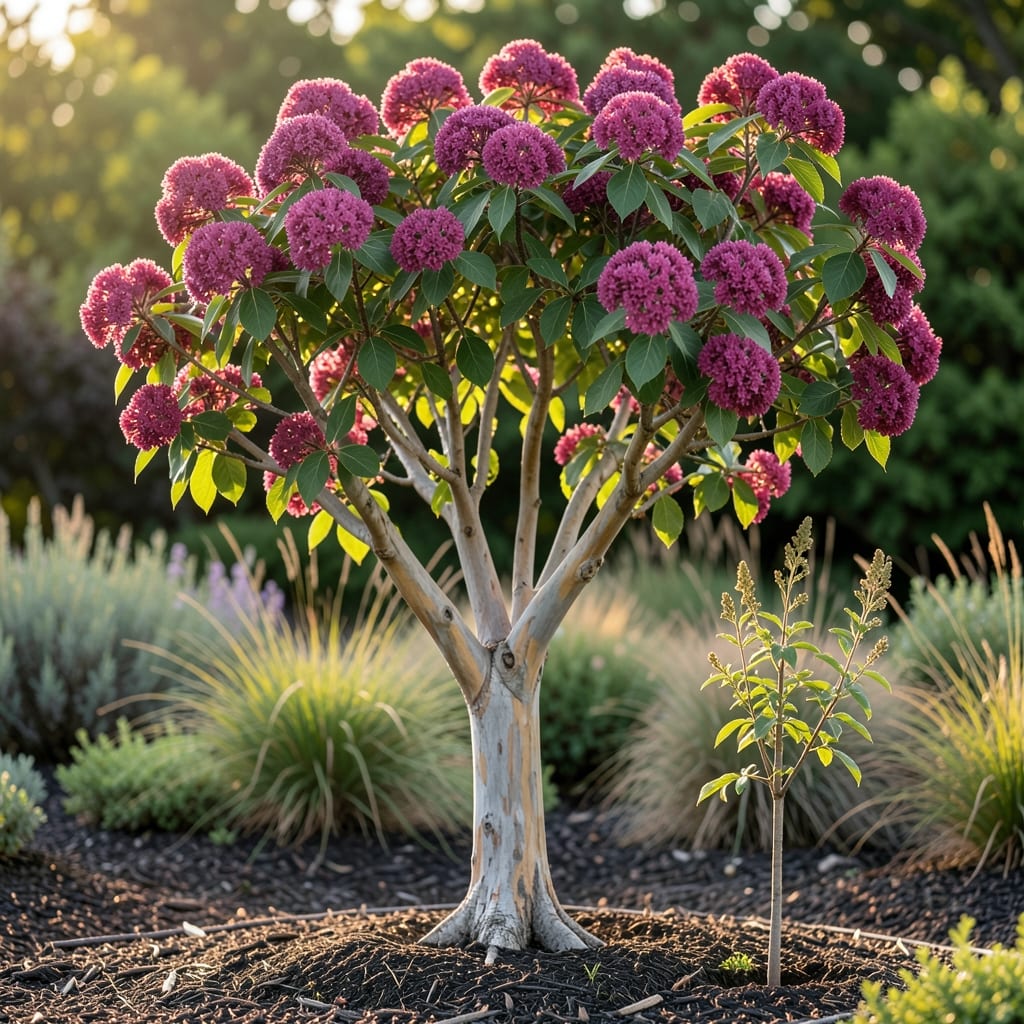
Wondering how tall can a crepe myrtle tree grow before it becomes a backyard giant? The answer might surprise you—these stunning 🌸 trees can stretch from a compact 6 feet to towering 30 feet or more, depending on the variety you choose.
If you're picturing a small ornamental tree for your patio, some dwarf varieties like 'Arapaho' stay perfectly manageable. But if you're dreaming of a dramatic shade provider, standard types like 'Natchez' can reach heights that rival small buildings—without the right care, that is.
Here's the good news: with smart pruning and variety selection, you can control their growth like a pro. I'll show you exactly how to keep your crepe myrtle at your ideal height while still enjoying those breathtaking summer blooms.
Whether you're working with limited urban space or have plenty of rural land, understanding these growth patterns is the key to getting the perfect tree for your landscape. Let's dive into the specifics that will transform your yard this season.

Crepe myrtle tree height by variety: small to giant growth ranges
When choosing a crepe myrtle, height is one of the first decisions you'll make—and it makes all the difference. These trees range from compact patio-sized varieties to towering shade giants. The key is selecting the right cultivar for your space and pruning habits.
Dwarf varieties like 'Arapaho' stay between 6-8 feet tall, perfect for small yards or container growing. Meanwhile, standard types like 'Natchez' can soar to 30-40 feet, providing dramatic shade for large properties. Even within these categories, growth rates vary—some reach maturity in 5 years, while others take 10+ years.
Here's a quick look at how different varieties stack up in height:
| Variety | Mature Height | Growth Rate | Best For |
|---|---|---|---|
| 'Arapaho' | 6-8 ft | Slow to moderate | Containers, small yards |
| 'Tonto' | 8-12 ft | Moderate | Medium spaces, urban gardens |
| 'Natchez' | 30-40 ft | Fast | Large properties, shade trees |
| 'Muskogee' | 25-30 ft | Fast | Privacy screens, rural areas |
| 'Catawba' | 20-25 ft | Moderate | Medium to large yards |
The growth rate is another critical factor. Dwarf varieties like 'Arapaho' grow just 1-2 feet per year, while fast growers like 'Natchez' can add 3-5 feet annually in ideal conditions. This means a 3-year-old 'Natchez' could already be taller than your house!
If you're working with limited space, consider semi-dwarf varieties like 'Tonto' or 'Rapids', which top out at 10-15 feet but still deliver stunning blooms. For urban gardeners, these are excellent choices that won't overwhelm small yards.
Climate also plays a role in height. In warmer zones (7-10), crepe myrtles grow faster and taller due to longer growing seasons. In cooler zones (6-7), growth slows, and mature heights may be 10-20% shorter than listed. Always check your USDA zone before selecting a variety.
One common misconception is that all crepe myrtles need full sun to reach their maximum height. While they do thrive in 6+ hours of sunlight, some varieties like 'Centennial' can tolerate partial shade, which may slightly limit their height but improves their adaptability.
For urban landscapes, I recommend choosing varieties based on your property's dimensions. A 6-foot 'Arapaho' fits perfectly in a 4x4-foot raised bed, while a 25-foot 'Muskogee' needs at least 20 feet of clearance from structures and power lines. Always measure your space before planting!
Remember, the mature height listed is just a guideline. With proper pruning, even a 30-foot 'Natchez' can be kept at 15 feet—I'll show you how in the next section. The key is understanding your variety's natural growth pattern and intervening early to shape it.
🌸
Pruning secrets to control crepe myrtle height: when, how, and why
Pruning is the secret weapon for controlling crepe myrtle height—when done correctly, it can keep even the tallest varieties like 'Natchez' at a manageable 10-15 feet while maintaining those stunning summer blooms. The key is timing, technique, and knowing which cuts to make. Many gardeners make the mistake of pruning at the wrong time or using improper methods, which can actually encourage taller, leggier growth instead of the compact shape you want.
I recommend starting pruning in late winter or early spring, just before new growth begins. This is when the tree is still dormant but ready to respond to your cuts. Avoid pruning in fall, as this can stimulate new growth that won't have time to harden off before winter, making your tree more vulnerable to cold damage. For established trees, a second light pruning in early summer after blooming can help maintain shape and encourage bushier growth.
Here's the golden rule of crepe myrtle pruning: always cut back to a bud or lateral branch, never to a stub. This encourages proper healing and directs the tree's energy to new growth in the right direction. Use sharp, clean pruners or loppers to make cuts at a 45-degree angle, about 1/4 inch above the bud. This simple technique prevents water from pooling on the cut and reduces the risk of disease.
For height control, focus on removing the uppermost branches first. This forces the tree to put energy into lower branches, creating a fuller, bushier shape. If you're dealing with a 30-foot 'Natchez' that's already too tall, aim to reduce its height by no more than 1 foot per year. This gradual approach prevents shock and gives the tree time to adjust. Always step back and assess your cuts from a distance—you'll often find that less is more when shaping these trees.
One common mistake is pruning the trunk itself, which is unnecessary and can harm the tree. Crepe myrtles naturally develop a thick trunk over time, and cutting into it doesn't improve growth or shape. Instead, focus on the branches and limbs. If you notice water sprouts (thin, vertical shoots growing from the trunk or branches), remove them immediately—they drain the tree's energy and can make it grow even taller. These sprouts are a sign your tree needs more sunlight or better pruning practices.
To encourage bushier growth and prevent leggy habits, prune the outermost branches back to a lower bud. This opens up the canopy and allows sunlight to reach the inner branches, stimulating new growth. For varieties like 'Arapaho' or 'Tonto', this technique keeps them compact while still producing abundant flowers. Remember, the goal is to shape the tree, not just reduce its height—think of pruning as sculpting rather than hacking.
Finally, always sterilize your tools between cuts using rubbing alcohol or a bleach solution. This prevents the spread of bacterial or fungal diseases, which can weaken your tree and make it more susceptible to pests. After pruning, apply a layer of mulch around the base of the tree to retain moisture and protect the roots as the tree recovers from its new shape.
With these pruning secrets, you can transform even the tallest crepe myrtle into a manageable, flowering masterpiece that fits perfectly in your landscape—no matter how limited your space might be. The key is patience and consistency; your tree will thank you with years of vibrant blooms and a shape that complements your yard.
✂️