Size
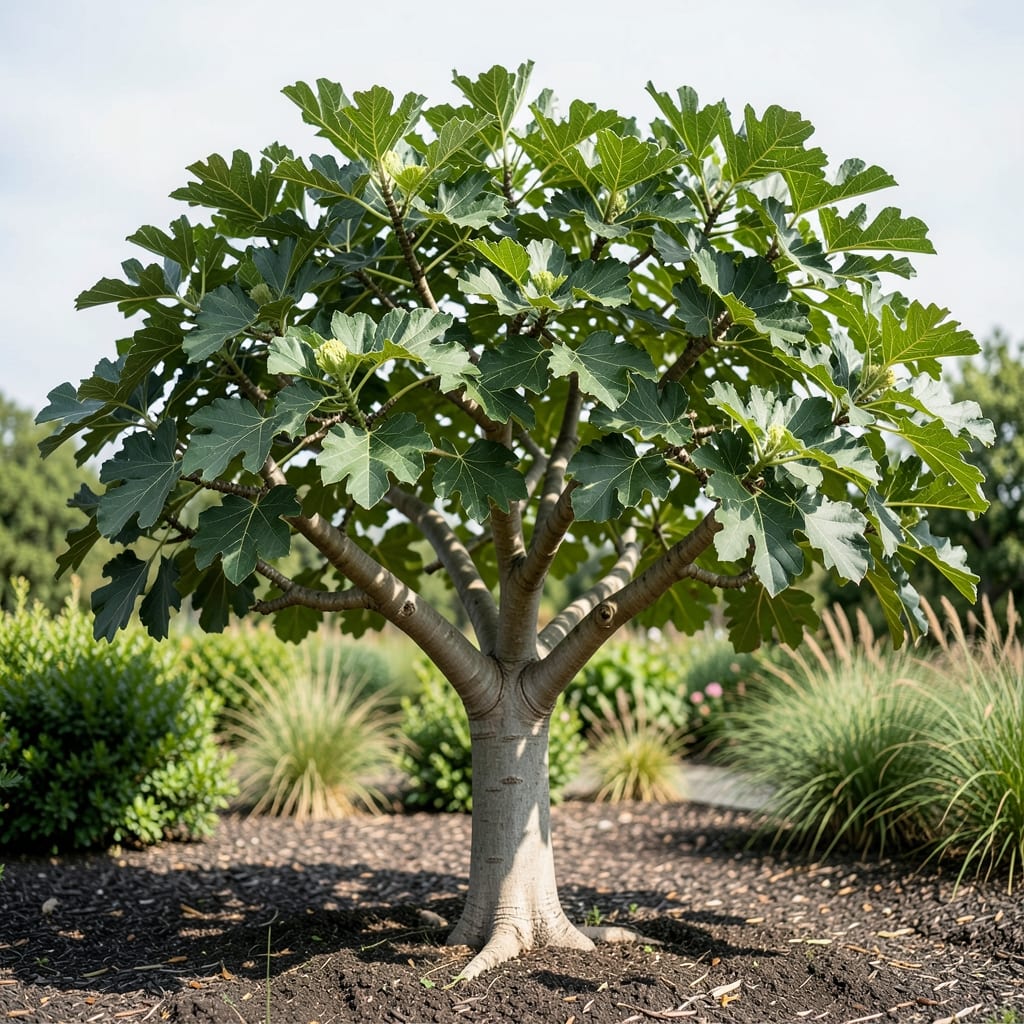
If you're wondering how tall can a fig tree grow, the answer might surprise you—this sun-loving 🌳 can range from a compact 8-foot shrub to a towering 30-foot giant, depending on the variety and care you provide. Some types, like the 'Brown Turkey,' stay manageable, while others, such as the 'Chicago Hardy,' stretch toward the sky.
The key to controlling its height lies in pruning and growing conditions. With the right techniques, you can shape your fig tree to fit your space—whether you want a small patio tree or a backyard centerpiece. I’ll break down the best practices to keep it at your desired size without sacrificing fruit production.
But here’s the catch: fig trees grow fast, especially in warm climates like USDA Zone 6a. By year three, some varieties can reach 15 feet, so planning ahead is essential. Whether you’re planting in spring or container-growing, knowing your variety’s growth potential will help you avoid surprises.
Ready to turn your backyard into a fig-filled paradise? Let’s dive into the varieties, pruning tips, and growth timelines you need to know—so you can enjoy sweet figs without a tree that outgrows your space!

Fig tree height by variety: from dwarf to massive giants
Fig trees are one of nature’s most versatile plants, with heights ranging from 8 feet to a staggering 30 feet depending on the variety. The key to managing their size lies in choosing the right type for your space. For example, the 'Celeste' variety stays compact at 8-12 feet, making it perfect for small gardens, while the 'Violette de Bordeaux' can soar to 25 feet or more in ideal conditions.
If you’re planning your garden layout, consider the mature height of your chosen fig tree. Some varieties, like the 'Brown Turkey', grow to 15-20 feet and thrive in USDA Zone 6a, while others, such as the 'Chicago Hardy', can reach 20-30 feet in colder climates. The right variety ensures your tree fits your space without requiring constant pruning.
Here’s a quick comparison of popular fig tree varieties and their typical mature heights:
| Variety | Mature Height (ft) | Growth Habit | Best For |
|---|---|---|---|
| 'Celeste' | 8–12 | Compact, bushy | Small gardens, containers |
| 'Brown Turkey' | 15–20 | Upright, spreading | Backyards, fruit production |
| 'Chicago Hardy' | 20–30 | Tall, vigorous | Large properties, cold climates |
| 'Black Mission' | 25–30 | Sprawling, wide canopy | Ornamental landscapes |
| 'Violette de Bordeaux' | 20–25 | Tall, elegant | Mediterranean-style gardens |
For container growing, dwarf varieties like 'Celeste' or 'Little Miss Figgy' (6-10 feet) are ideal. These stay manageable even in pots, making them perfect for patios or balconies. Just ensure your container is at least 15 gallons to accommodate root growth and provide stability as the tree matures.
If you’re in a warmer climate (Zones 8-11), expect faster growth. Some varieties, like the 'Desert King', can reach 15 feet in just 3 years with ideal care. In contrast, colder climates like Zone 6a may slow growth, but hardy varieties like 'Chicago Hardy' still thrive and reach 20 feet over time.
One mistake I see often is assuming all fig trees grow the same way. For instance, 'Osborn Prolific' stays around 10-15 feet and produces fruit early, while 'Panache' can grow 20 feet but requires more space. Always check the variety’s growth habit before planting—some spread wider than they grow tall!
Pro tip: If you love the look of a tall fig tree but lack space, consider espalier training. This technique lets you grow a 20-foot tree against a wall or fence, keeping its footprint small while maximizing height. It’s a game-changer for urban gardens!
For fruit production, taller varieties like 'Black Mission' or 'Violette de Bordeaux' yield more, but their sprawling canopies need room. If you’re prioritizing easy harvests, a 10-15 foot tree like 'Brown Turkey' is a great balance of size and productivity.
Ready to pick your perfect fig tree? Start by matching the variety’s mature height to your space, then adjust with pruning to keep it at your desired size. With the right choice, you’ll enjoy sweet figs without a tree that outgrows your dream garden!
How pruning and care control fig tree height
Pruning is the secret weapon for controlling your fig tree’s height. Without proper pruning, even a dwarf variety like 'Celeste' can grow taller than expected. The key is timing—prune in late winter or early spring (just before new growth starts) to shape the tree without encouraging excessive height. For example, if you want to keep a 'Brown Turkey' at 12 feet, prune aggressively in its first year to establish a compact framework.
There are three main pruning techniques to manage height: 1. Heading back (cutting back current season’s growth) to reduce height 2. Thinning out (removing entire branches) to improve airflow and shape 3. Structural pruning (training young trees) to guide growth direction Each method has a different impact on your tree’s final height and fruit production.
Your fig tree’s watering habits also play a surprising role in height control. Overwatering encourages rapid, weak growth that can make your tree taller than intended. Aim for deep, infrequent waterings (every 7-10 days for established trees) to promote slower, stronger growth. In containers, let the top inch of soil dry between waterings to prevent leggy growth.
The sunlight exposure your fig tree receives directly affects its vertical growth. Trees in full sun (6-8+ hours daily) grow more vigorously and may reach their mature height faster than those in partial shade. If you’re growing in a container, rotate it weekly to ensure even sunlight exposure and prevent lopsided, tall growth patterns.
For container-grown figs, root-bound conditions can stunt height growth. If your tree’s roots are circling the pot, repot into a 15-gallon container with fresh potting mix to encourage healthier, more controlled growth. This is especially important for dwarf varieties like 'Little Miss Figgy,' which can grow 6-10 feet but may become leggy without proper container care.
One pruning mistake I see often is removing too many branches at once, which stresses the tree and can lead to excessive height growth as it compensates. Instead, remove no more than 25% of the canopy in a single pruning session. For height control, focus on removing vertical shoots that grow straight up—these are the main contributors to a towering fig tree.
Remember that fruit production and height control go hand-in-hand. Heavy pruning to reduce height can temporarily reduce fruit yield, but proper training leads to a more productive tree in the long run. For example, a 'Black Mission' fig tree pruned to 15 feet will produce just as many figs as an unpruned 25-foot tree—just with easier access and better air circulation!