
How To
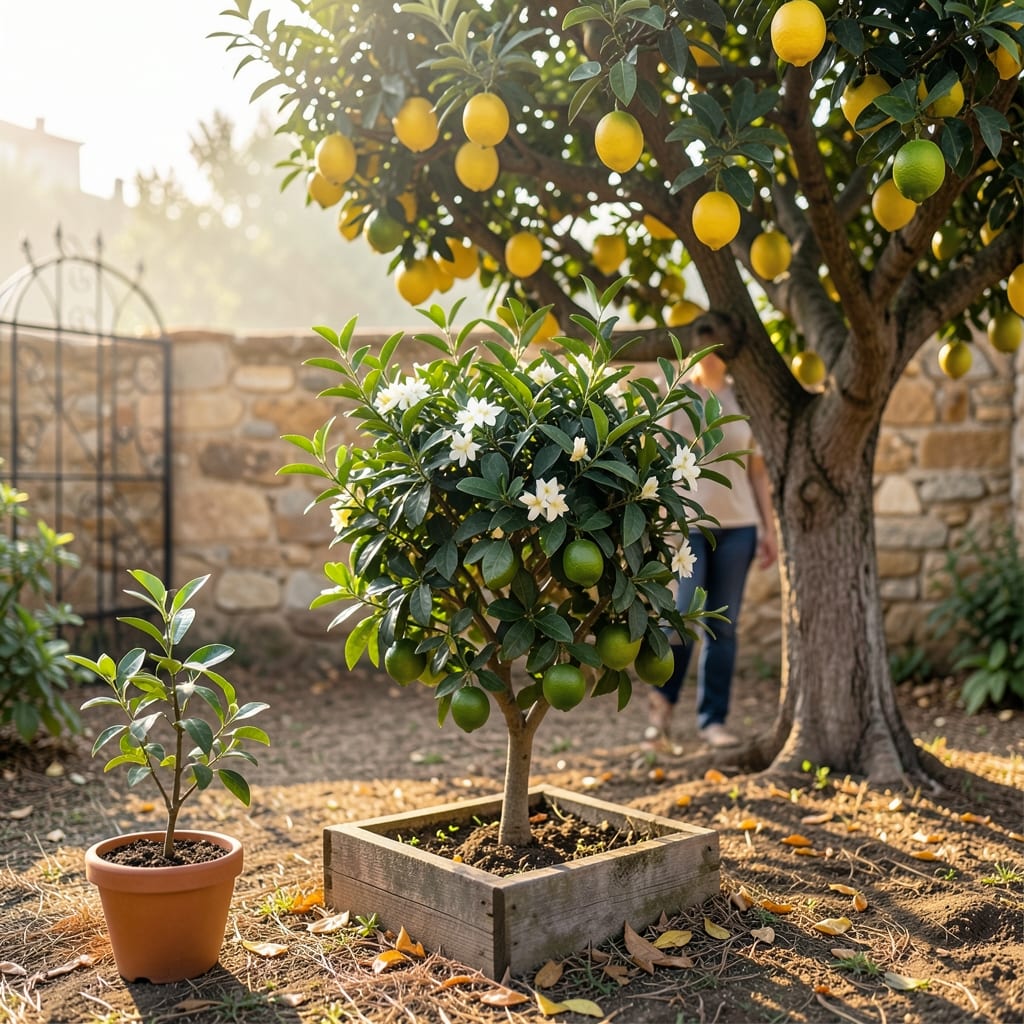
If you've ever wondered how tall can a lemon tree grow, the answer might surprise you—especially if you're dreaming of a backyard citrus grove but working with limited space. A full-grown standard lemon tree can reach an impressive 15 to 25 feet, towering like a small tree in your landscape, while dwarf varieties stay a manageable 6 to 10 feet tall, perfect for containers or small gardens.
Picture this: A sun-drenched spring morning in USDA Zone 6a, where your lemon tree—whether a sprawling standard or a compact dwarf—thrives with the right care. The key to controlling its height lies in understanding your variety, soil conditions, and pruning habits. With the right approach, even a tiny balcony can become a lemon paradise.
But here’s the catch: Without proper guidance, even a dwarf lemon tree can outgrow its welcome. I’ll break down the differences between standard and dwarf varieties, share pruning secrets to keep your tree at your ideal height, and show you how to maximize fruit production—no matter how much (or little) space you have.
Ready to turn your citrus dreams into reality? Let’s dive into the heights, habits, and hacks that will help you grow the perfect lemon tree for your home.


Standard lemon tree height: how big can they really get?
If you’re imagining a standard lemon tree in your yard, you might be surprised by how quickly it can grow. Without any intervention, these trees can reach heights of 15 to 25 feet, creating a stunning focal point in your landscape. Varieties like the Eureka lemon and Lisbon lemon are classic examples of standard trees, known for their vigorous growth and abundant fruit production.
The first year after planting, your standard lemon tree will likely grow 3 to 5 feet, establishing a strong root system and trunk. By year two, it can shoot up another 4 to 6 feet, and by year three, it may already be 10 to 15 feet tall. If left unpruned, these trees can continue growing for years, eventually reaching their full mature height.
But here’s the catch: full sun exposure is non-negotiable for standard lemon trees. They thrive in USDA Zone 6a and warmer, where they can bask in 6 to 8+ hours of direct sunlight daily. Without enough light, their growth will slow significantly, and fruit production may suffer. If you’re in a cooler climate, consider growing your lemon tree in a large container that can be moved indoors during winter.
Soil quality also plays a huge role in how tall your lemon tree grows. These trees prefer well-draining, slightly acidic soil with a pH between 6.0 and 7.0. If your soil is heavy or clay-like, amending it with compost or sand can improve drainage and encourage healthier growth. Poor soil conditions can stunt a tree’s height and weaken its overall structure.
Now, let’s talk about pruning. While standard lemon trees can grow tall on their own, regular pruning is essential to manage their size, improve air circulation, and encourage fruit production. Without pruning, branches can become dense and shaded, leading to fewer lemons and potential pest issues. I’ll share more about pruning techniques later, but for now, know that even a 20-foot tree can be kept at a more manageable height with consistent care.
🌱
One of the most exciting aspects of growing a standard lemon tree is watching it mature over time. By year three, you’ll likely see the first lemon blossoms appear, followed by fruit in late fall or winter. However, it can take up to 3 to 5 years for a standard tree to produce a significant harvest. Patience is key—once established, these trees can yield hundreds of lemons per year if given the right conditions.
If you’re concerned about your lemon tree outgrowing its space, don’t worry. With strategic pruning and training, you can guide its growth to fit your yard. For example, you can encourage a more horizontal growth habit by pruning the central leader (the main upward-growing branch) and promoting side branches. This technique is especially useful if you’re growing your tree against a trellis or fence.
Another factor that influences height is whether your lemon tree is grown in the ground or a container. In-ground trees have more room to spread their roots, which can lead to faster and taller growth. Container-grown trees, on the other hand, are naturally more compact but still require regular pruning to prevent them from becoming top-heavy or leggy. If you’re growing in a pot, choose one that’s at least 18 inches in diameter and has drainage holes to prevent root rot.
🌳
Dwarf lemon tree varieties: compact options for small spaces
If space is your biggest concern, dwarf lemon tree varieties are your best bet for growing lemons without sacrificing your backyard or patio. These compact powerhouses—like the popular Meyer lemon and Improved Meyer—can thrive in containers as small as 15-gallon pots, reaching just 6 to 10 feet tall at maturity. That’s perfect for balconies, small gardens, or even sunny kitchen windowsills!
What makes dwarf varieties so appealing? They mature faster, produce fruit in as little as 2 to 3 years, and require less aggressive pruning. Plus, their smaller size means you can grow multiple trees side by side, creating your own mini citrus grove. The trade-off? They may produce slightly smaller lemons, but the convenience and joy of fresh fruit year-round make it worth it.
Here’s how these dwarf varieties compare—so you can pick the perfect fit for your space and climate:
| Variety | Mature Height | Best For | Fruit Size |
|---|---|---|---|
| Meyer Lemon | 6–8 ft | Containers, small gardens | Small to medium (sweeter than standard) |
| Improved Meyer | 6–10 ft | Balconies, patios, indoor growing | Medium (more cold-hardy) |
| Ponderosa Lemon | 8–12 ft (can be pruned smaller) | Large containers, outdoor planting | Large (thick-skinned, decorative) |
For container growing, choose a pot with drainage holes and use a well-draining citrus mix to prevent root rot. In USDA Zone 6a, dwarf varieties can overwinter outdoors with protection (like burlap wraps) or move them indoors near a sunny window. The key to maximizing fruit production in small spaces? Regular pruning to encourage bushiness and feeding with a balanced citrus fertilizer every 4–6 weeks during the growing season.
Don’t let limited space stop you from growing lemons! With the right dwarf variety and a little care, you’ll enjoy fresh fruit in just a few years—whether your tree lives in a pot on your patio or a sunny corner of your garden. The best part? You’ll never have to buy store-bought lemons again!
🌱