
Size
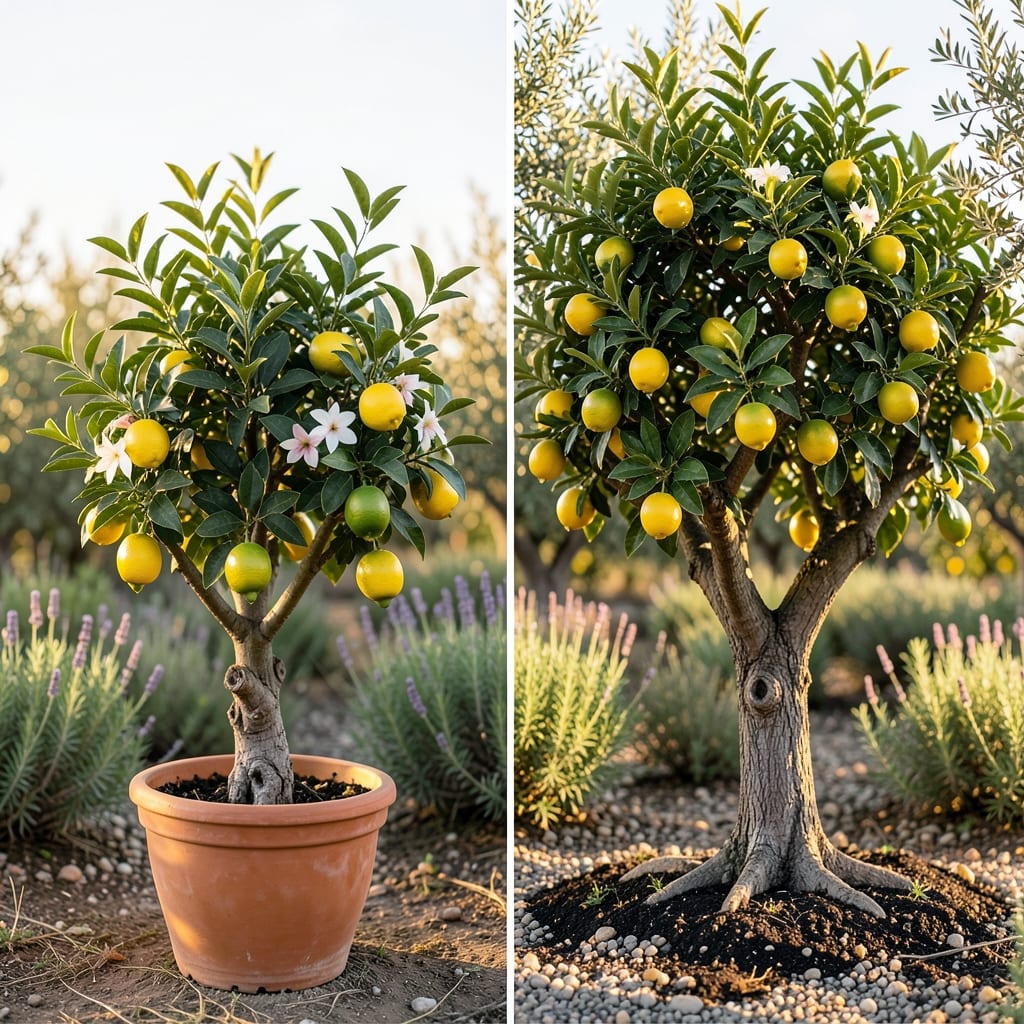
Curious about how tall a lemon tree can grow in your backyard? The answer might surprise you—some varieties stretch toward the sky like a citrus skyscraper, while others stay small enough to fit on your patio.
If you're planning your garden layout, knowing the height range is critical. Standard lemon trees can reach 20 to 40 feet with proper care, but dwarf varieties stay between 3 and 6 feet, making them perfect for containers or small spaces. The difference comes down to variety, pruning, and growing conditions.
Whether you dream of a tall, majestic tree or prefer a manageable size, I’ll break down the factors that shape their growth—so you can choose the perfect fit for your space and climate.
Let’s explore how to control their height and make the most of your citrus garden, no matter how much (or little) room you have.


Lemon tree height by variety: from dwarf to giant sizes
If you're dreaming of a lemon tree but worried about space, don’t fret—your options span from tiny patio trees to towering backyard giants. The height of a lemon tree depends entirely on its variety, with some reaching 40 feet while others stay under 6 feet. Choosing the right type for your space is the first step to success.
Standard varieties like the Eureka or Lisbon lemon trees grow 20 to 40 feet tall, making them ideal for large gardens or rural properties. These trees produce abundant fruit but require ample space and regular pruning to manage their size. If you’re short on yard space, dwarf varieties like the Meyer lemon or Improved Meyer are perfect, typically reaching only 3 to 6 feet at maturity.
Here’s a quick breakdown of what to expect from the most popular lemon tree varieties, so you can pick the perfect fit for your home:
For container growing, stick to dwarf or semi-dwarf varieties like the Meyer lemon or Improved Meyer. These thrive in 15- to 25-gallon pots and can produce fruit for years with proper care. If you’re planting in the ground, standard varieties like Eureka or Lisbon will reward you with bountiful harvests—just be prepared for their towering presence.
If you’re in a cooler climate (USDA zones 8–10), opt for cold-hardy varieties like the Meyer lemon or Improved Meyer. In warmer zones (9–11), standard varieties like Eureka or Ponderosa will flourish with minimal fuss. Always check your local hardiness zone before choosing a variety to avoid disappointment.
One pro tip: If you love the idea of a standard lemon tree but lack the space, consider grafting a dwarf variety onto a standard rootstock. This hybrid approach lets you enjoy the fruitfulness of a tall tree while keeping the compact size of a dwarf. It’s a win-win for small gardens!
No matter which variety you choose, remember that pruning and care play a huge role in controlling height. We’ll dive deeper into those techniques in the next section, so stay tuned for tips on keeping your lemon tree at your desired size—whether that’s a 6-foot patio tree or a 20-foot backyard centerpiece.
Which variety catches your eye? Let me know in the comments if you’re torn between a dwarf and a standard—we can help you decide! 🍋
Lemon tree height by variety: from dwarf to giant sizes
If you’re dreaming of a backyard citrus grove, your first question should be: how tall can lemon trees grow? The answer depends entirely on the variety you choose. Some lemon trees stay small enough for patio pots, while others grow tall enough to shade your entire backyard.
For example, dwarf varieties like 'Meyer Lemon' or 'Improved Meyer' typically reach 3 to 6 feet at maturity, making them perfect for containers or small spaces. These compact trees produce sweet, flavorful lemons without taking over your garden.
On the other end of the spectrum, standard lemon trees like 'Eureka' or 'Lisbon' can soar to 15 to 25 feet or even taller with proper care. These giants need space, strong roots, and regular pruning to manage their height and shape.
Here’s a quick comparison of the most popular lemon tree varieties and their mature heights to help you decide which fits your space:
| Variety | Mature Height | Best For |
|---|---|---|
| Dwarf Meyer Lemon | 3–6 ft | Containers, patios, small gardens |
| Semi-Dwarf 'Four Seasons' | 8–12 ft | Backyards, larger pots, urban gardens |
| Standard Eureka Lemon | 15–25 ft | Large gardens, landscapes, full sun |
| Giant 'Villafranca' | 30+ ft | Commercial orchards, rural properties |
Choosing the right variety isn’t just about height—it’s also about climate suitability. Dwarf varieties thrive in USDA Zones 9–11 but can be grown in containers and brought indoors during winter in colder zones. Standard trees, however, need year-round warmth and may require protection from frost.
For example, if you live in Zone 8 or cooler, a dwarf Meyer Lemon in a pot is your best bet. It can be moved indoors or into a garage during winter, while a standard tree would struggle to survive without heavy mulching and frost cloth.
Remember, even dwarf trees can grow taller if given ideal conditions. Pruning and grafting play a huge role in controlling height, which I’ll cover in the next section. For now, pick the variety that matches your space—and don’t forget to check local frost dates!