
How To
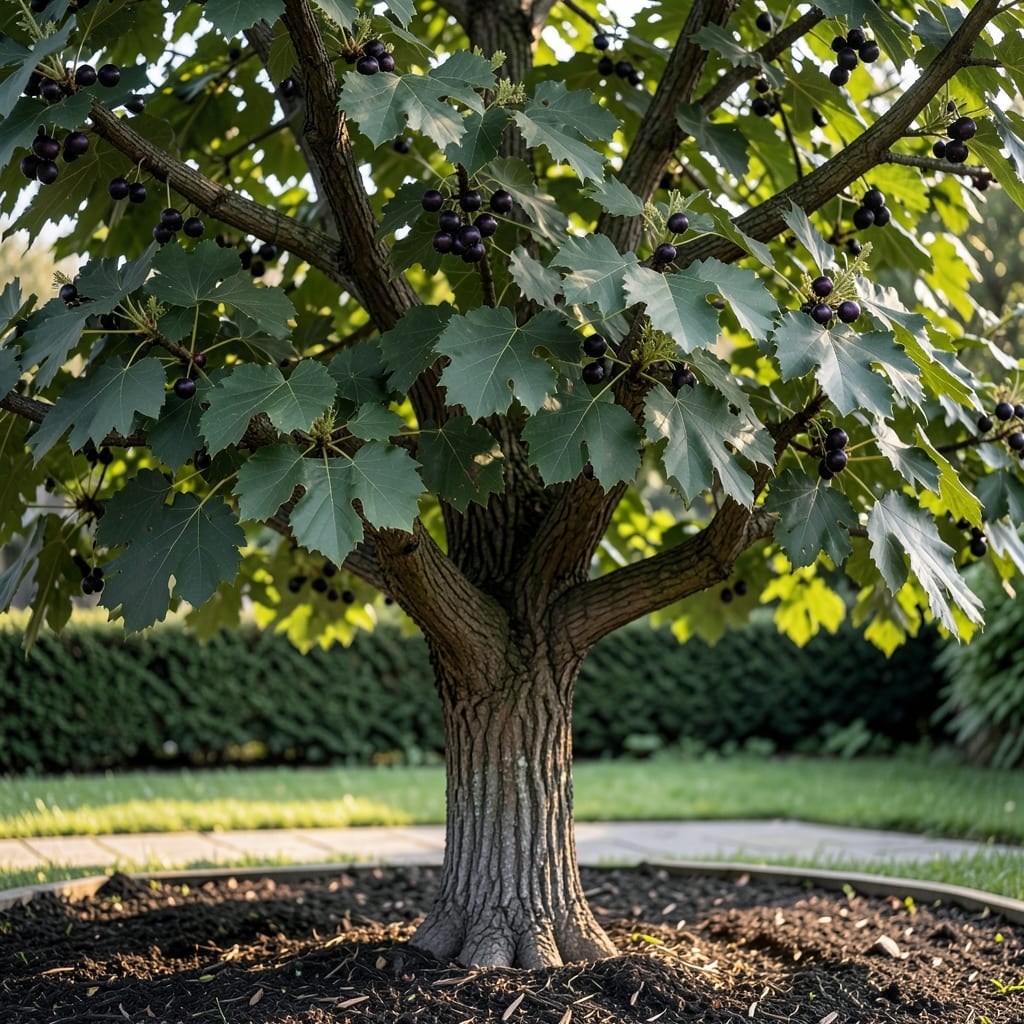
If you’ve ever planted a Mulberry Tree 🌳 and wondered how tall this tree can grow, you might be surprised to learn that its height can vary wildly—from a modest 15 feet to an impressive 60 feet or more. The difference between a compact backyard tree and a towering giant often comes down to the variety you choose and how you care for it.
Some Mulberry Trees, like the common white mulberry (Morus alba), can reach 30 to 50 feet under ideal conditions, while others, such as dwarf varieties, stay under 25 feet. But here’s the catch: your tree’s growth isn’t just about genetics—soil quality, sunlight, and even pruning habits play a huge role in whether it becomes a shade-providing giant or a manageable backyard feature.
Whether you’re dreaming of a fruit-laden canopy or just want to keep your tree in check, understanding these factors will help you steer its growth. I’ll break down the key differences between varieties, share practical care tips, and show you how to control its height so it fits perfectly in your space.
Ready to discover how tall your Mulberry Tree could grow—and how to shape its future? Let’s dive into the details.

Mulberry tree height limits by variety: from dwarf to giant
Mulberry trees are famous for their dramatic height variations—some stay compact enough for small yards, while others grow into towering giants that need serious clearance. The mature height of your mulberry tree depends entirely on the variety and growing conditions. For example, the Morus alba (white mulberry) often reaches 30-60 feet in ideal conditions, while dwarf varieties like Illinois Everbearing max out at 15-25 feet. If you’re planning your landscape, knowing these limits helps you choose the right tree for your space.
Not all mulberry trees grow equally fast or tall. The Morus nigra (black mulberry) typically grows 40-50 feet tall, while the Morus rubra (red mulberry) often stays shorter at 25-40 feet. Even within the same species, factors like pruning habits, soil quality, and sunlight exposure can push a tree to its upper limits—or keep it smaller. For instance, a pollarded mulberry (pruned to control height) might never exceed 20 feet, even if its wild cousin would soar to 60 feet.
Here’s the key difference: standard varieties grow aggressively, while dwarf or semi-dwarf cultivars are bred for manageable sizes. If you’re working with limited space, a dwarf mulberry (like ‘Compacta’) is your best bet—it stays under 25 feet and produces fruit without taking over your yard. But if you’re aiming for a shade tree or a striking focal point, a tall-growing variety like ‘Chokrasia’ (a tropical relative) can reach up to 100 feet in the right climate.
🌳
When choosing a mulberry tree, consider not just its height potential but also how it fits into your landscape. A 60-foot tree might be stunning in a rural setting but could overwhelm a suburban backyard. If you’re unsure, start with a semi-dwarf variety (like ‘Golden Rain
How to control mulberry tree growth: pruning, spacing & care tips
If you’ve planted a mulberry tree and want to manage its height—or prevent it from becoming a backyard giant—you’re in the right place. Mulberry trees are fast growers, but with the right pruning techniques and care strategies, you can keep them at your desired size. For example, a pollarded mulberry can be trimmed to stay under 20 feet, even if its natural height would reach 60 feet. The key is understanding when and how to prune, along with spacing and soil management.
Pruning isn’t just about cutting branches—it’s about shaping growth. If you want a compact tree, focus on structural pruning in late winter or early spring, before new growth begins. This is when mulberry trees are most responsive to shaping. For fruit production, light pruning in summer can encourage bushier growth and better berry yields. But be careful: over-pruning can stress the tree and reduce fruit quality.
🌳
- Pruning at the wrong time: Never prune in fall or winter—this can invite disease and pests.
- Removing too many branches at once: This can shock the tree and stunt growth.
- Ignoring dead or diseased wood: Always remove infected branches to prevent spread.
Spacing is another critical factor. Mulberry trees need room to grow, but if you plant them too close to structures or other trees, they’ll compete for nutrients and light. For standard varieties, allow at least 30 feet of clearance from buildings and power lines. If you’re growing a dwarf variety, 15-20 feet is usually sufficient. Proper spacing ensures healthy growth and makes future pruning easier.
Soil quality also plays a huge role in controlling height. Mulberry trees thrive in well-draining soil with a slightly acidic to neutral pH (6.0-7.0). If your soil is poor, amend it with compost or organic matter to encourage strong root development. Weak roots mean slower growth, which can help keep your tree manageable. Additionally, mulching around the base retains moisture and suppresses weeds, reducing stress on the tree.
For those who want to maximize fruit production, focus on selective pruning to open the canopy and improve air circulation. This encourages more sunlight to reach the fruit-bearing branches, leading to a heavier harvest. However, if your goal is simply to control height, pollarding—cutting back the main branches to a stub—is the most effective method. Just remember: pollarding should be done in late winter or early spring to minimize stress on the tree.
With the right approach, you can shape your mulberry tree to fit your space perfectly—whether you want a compact fruit producer or a tall shade tree. Start with proper pruning, spacing, and soil care, and you’ll have a tree that grows exactly how you want it.