
How To
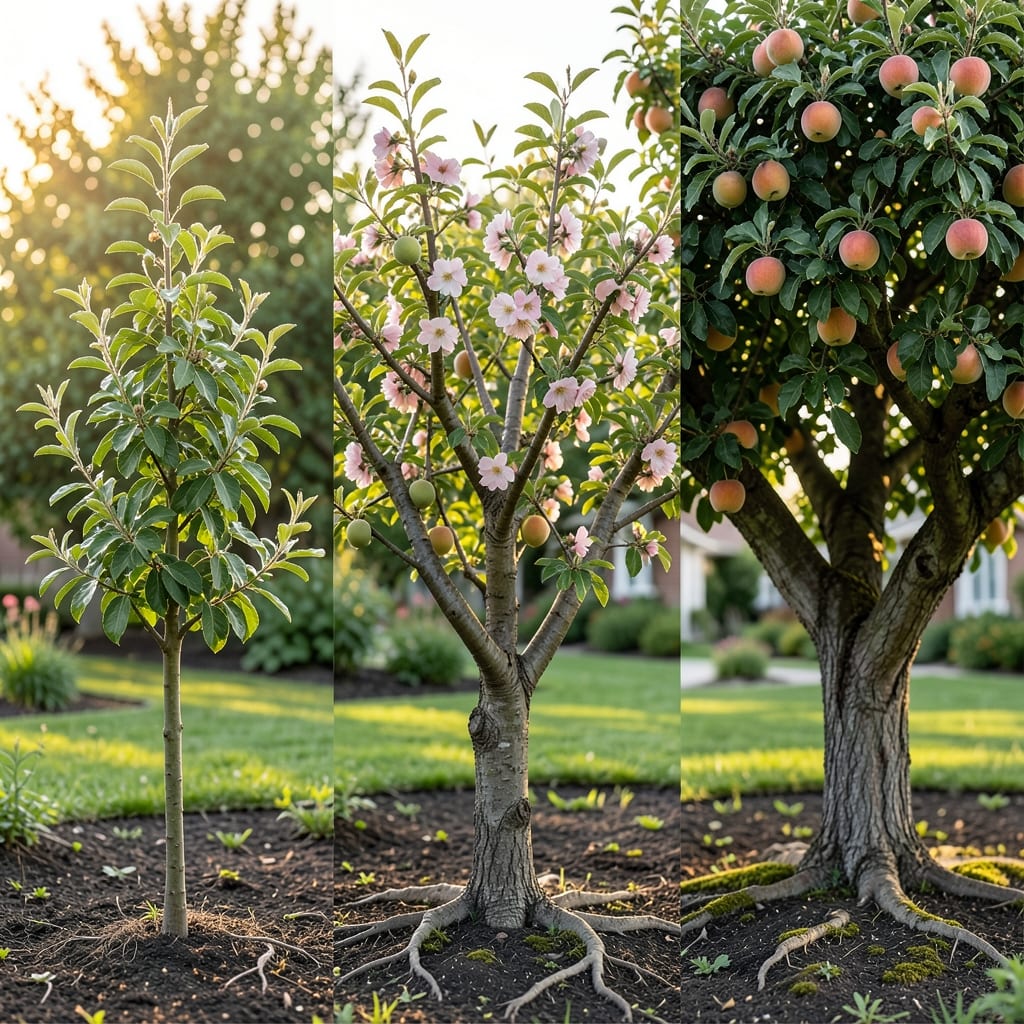
Ever wondered just how tall that dreamy 🍑 peach tree in your backyard could grow? The answer might surprise you—some varieties stretch toward the sky like 30-foot giants, while others stay neatly contained at just 6 feet tall. This dramatic difference isn’t just about space; it’s about the variety you choose and how you care for it.
If you’re planning a home garden, the height of your peach tree matters more than you think. A towering standard tree might dominate your yard, while a dwarf variety fits perfectly on a patio or balcony. The key is understanding which type aligns with your space—and your patience, since even the smallest trees take years to mature.
In this guide, I’ll break down the height ranges of different peach tree varieties, from compact dwarfs to full-size giants, and share practical tips to control growth. Whether you’re a backyard gardener or dreaming of a full orchard, knowing these details will help you pick the perfect tree for your vision.
Ready to find out which size works best for you? Let’s dive into the world of peach trees and discover how to grow the perfect fit for your space—without sacrificing those sweet, juicy fruits.

Peach tree height by variety: dwarf to standard to giant sizes
Peach trees come in a surprising range of sizes, from compact dwarfs that fit on a patio to towering giants that reach the sky. The variety you choose determines not just height but also fruit production, care needs, and even the tools you’ll need to harvest. Understanding these differences helps you pick the perfect tree for your space—whether that’s a balcony container or a full orchard.
Most peach trees fall into four main height categories: dwarf, semi-dwarf, standard, and giant. Each has unique characteristics that influence how you’ll care for it. For example, dwarf varieties grow slowly and stay manageable, while standard trees can become massive and require heavy-duty pruning tools. Let’s explore the height ranges and what they mean for your garden.
Below, you’ll find a detailed comparison of peach tree heights by variety, including mature height, growth rate, and ideal spacing. This will help you visualize how each type fits into your landscape and plan for long-term care.
Dwarf peach trees are the space-saving superstars of the orchard world. Varieties like Bonanza or Redhaven (dwarf grafted) typically max out at 8–12 feet, making them perfect for containers, patios, or small urban gardens. These trees mature quickly but grow slowly, so you’ll enjoy fruit in just 2–3 years instead of waiting a decade for a standard tree. Just be prepared for smaller fruit yields compared to their taller cousins.
Semi-dwarf trees strike a balance between size and productivity. They usually reach 12–18 feet at maturity, making them ideal for small to medium yards where you want a tree that’s manageable but still productive. Popular choices like Elberta or Suncrest produce abundant fruit while staying within reach for easy harvesting. These trees also respond well to espalier training, letting you grow them flat against a fence or wall to save even more space.
Standard peach trees are the classic orchard giants, towering 20–30 feet tall with a spread of 15–20 feet. These trees require ample space—think large rural properties or dedicated orchards—but they reward you with heavy fruit loads and robust growth. Varieties like Relenta or Contender are popular for commercial growers because of their disease resistance and large fruit size. If you’re planting a standard tree, plan for regular pruning to keep it under control and ensure safety around structures.
In rare cases, unpruned peach trees can grow into true giants, reaching 30–50 feet or more. These are typically found in wild or neglected orchards where pruning is nonexistent. While they produce an abundance of fruit, their massive size makes them impractical for home gardens. If you’re captivated by the idea of a giant peach tree, consider planting a standard variety and letting it grow wild—just be prepared for the logistical challenges of harvesting from such heights!
When choosing a peach tree, consider not just height but also your climate zone, available space, and maintenance commitment. Dwarf trees need less pruning and fit into tight spaces, while standard trees thrive in open areas but require more upkeep. Whichever you choose, remember that proper care—like pruning, watering, and fertilizing—will influence how tall (or short) your tree ultimately grows.
🌱
How to control peach tree height: pruning, training, and care tips
If you’ve ever wondered how to keep your peach tree from becoming a 30-foot monster, the answer lies in smart pruning and training. Even standard varieties can be managed to fit smaller spaces with the right techniques. I’ve learned that pruning isn’t just about cutting branches—it’s about shaping your tree’s future growth and maximizing fruit production.
For dwarf varieties, pruning is simpler but still critical. These trees grow slowly, so light annual pruning keeps them compact and encourages a bushier shape. Semi-dwarf and standard trees, however, need more aggressive pruning—especially in their early years—to establish a strong structure and prevent overgrowth. The key is timing and technique.
🌱
Trim dead or crossing branches before buds swell (February-March). This promotes airflow and reduces disease risk.
Remove suckers and water sprouts in June-July to redirect energy to fruit production.
Train branches horizontally along a fence or trellis to flatten the tree’s profile while maintaining fruit access.
Remove competing vertical shoots to create an open center, improving sunlight penetration.
Use heading cuts (trimming just above a bud) to control height and encourage lateral growth.
One technique I swear by is open-center pruning, which creates a vase-like shape with a few main scaffold branches. This method works wonders for both dwarf and standard trees, making fruit picking easier while keeping the tree manageable. For container-grown peach trees, prune more aggressively to prevent root-bound stress.
Don’t forget about root pruning—digging down to trim roots if your tree outgrows its space. This encourages a stronger root system and prevents the tree from becoming top-heavy. Pair this with regular mulching (2-3 inches of organic mulch) to keep roots cool and conserve moisture.
With these strategies, even a standard peach tree can be coaxed into a more compact form. The secret? Consistency is key. Start young, prune regularly, and watch your tree grow exactly how you want it—without sacrificing those sweet, juicy peaches.
✂️