
Trees
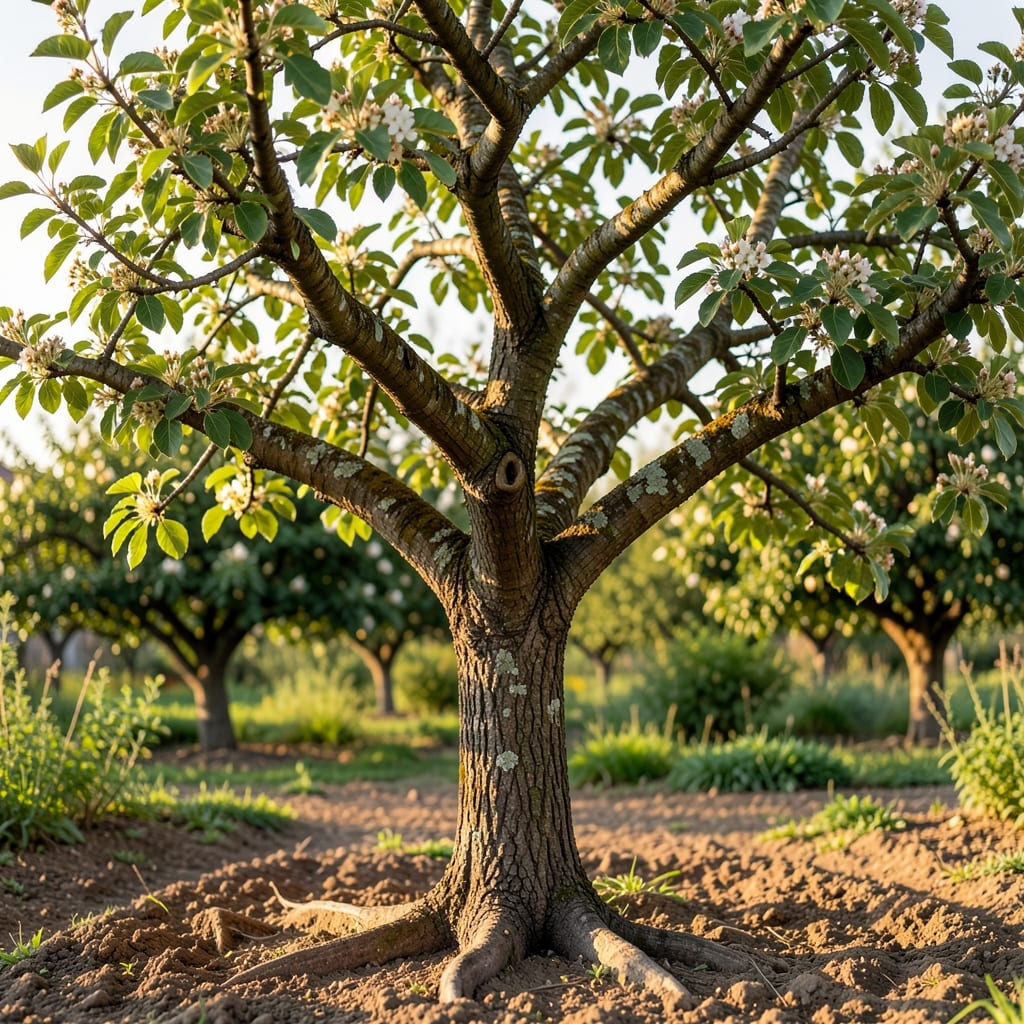
If you’ve ever wondered just how tall a 🍐 pear tree can grow, the answer might surprise you—some varieties stretch toward the sky like skyscrapers, while others stay compact enough for even the smallest backyard. Whether you’re dreaming of a towering orchard or a manageable container tree, the right choice makes all the difference.
Standard pear trees can reach 20 to 50 feet at maturity, making them a stunning focal point but requiring serious space. But here’s the good news: dwarf and semi-dwarf varieties top out at just 8 to 20 feet, perfect for urban gardens or patios. The key? Understanding your space, climate, and the variety you pick.
In this guide, I’ll break down the height ranges of popular pear trees—from the waist-high dwarfs to the giant standards—and share expert tips on pruning, rootstock, and training to keep your tree at your ideal height. Ready to find the perfect fit for your garden?
Let’s explore how to grow a pear tree that thrives and fits your space—no matter how big (or small) your dreams are.

Pear tree height by variety: from dwarf to standard to giant sizes
Choosing a pear tree isn’t just about flavor—it’s about space. A standard pear tree can soar to 40-50 feet, while a dwarf variety stays under 10 feet. The difference? Rootstock. Dwarf trees use stunted root systems like Quince A or Old Home, while standard trees rely on seedling rootstock for full growth.
Your garden’s size and layout will dictate your best choice. For urban backyards or patio containers, dwarf pears like 'Hood' or 'Moonglow' are ideal. For rural orchards, standard varieties like 'Bartlett' or 'Anjou' thrive. Let’s explore the height ranges and growth rates of popular varieties.
Here’s a quick look at what to expect from four pear tree categories—dwarf, semi-dwarf, standard, and giant—based on their mature heights and growth habits.
Now, let’s dive into specific pear varieties and their heights. The 'Bartlett' pear, a classic, typically reaches 25-35 feet on standard rootstock but can be kept under 10 feet with dwarf rootstock. Meanwhile, 'Anjou' pears grow 20-40 feet, making them better suited for larger properties unless pruned aggressively.
For small-space gardeners, 'Seckel' pears are a game-changer. Growing just 10-15 feet tall, they produce tiny, sweet pears perfect for snacking. Their compact size makes them ideal for espalier training against fences or walls. If you’ve ever seen a pear tree shaped like a fan, it’s likely a 'Seckel' or similar dwarf variety!
Climate also plays a role in height. In warmer USDA zones (8-10), pear trees grow faster and taller due to longer growing seasons. In cooler zones (4-6), growth slows, and trees may stay slightly shorter. Always check your local frost dates—pear trees need 300-500 chill hours annually to fruit properly.
One common misconception is that all dwarf trees stay small forever. While they grow slower, they can still reach their maximum height given time—just on a compressed timeline. For example, a 'Hood' pear might take 5-7 years to hit its 10-foot limit, whereas a standard tree could take 15+ years to reach 30 feet.
If you’re container gardening, choose dwarf varieties with shallow root systems, like 'Moonglow' or 'Centennial'. These thrive in 15-20 gallon pots and can be moved seasonally. Just remember: container trees need annual root pruning to prevent root-bound stress.
For those with limited space but big dreams, consider espaliered pear trees. This technique trains trees to grow flat against walls or fences, keeping them under 6 feet while maximizing fruit production. It’s a sculptural way to grow pears—perfect for modern gardens or small urban lots.
Before planting, measure your space and visualize your tree’s growth. A 20-foot tree needs 15 feet of clearance for branches, while a 10-foot dwarf fits neatly in a 5x5 foot area. Sketch your garden layout to avoid future headaches—trust me, pruning a tree that’s outgrown its space is no fun!
Pear tree height by variety: from dwarf to standard to giant sizes
Pear trees aren’t one-size-fits-all—they come in a stunning range of heights, from waist-high dwarfs to 50-foot giants. The variety you choose determines not just how tall your tree grows, but also how much fruit it produces, how easy it is to maintain, and whether it’ll fit in your backyard or need a dedicated orchard space.
Most home gardeners focus on three main categories: dwarf, semi-dwarf, and standard pear trees. Dwarf varieties top out at 8 to 12 feet, making them ideal for containers or small urban gardens, while standard trees can soar to 20 to 50 feet, requiring ample yard space. Semi-dwarf trees strike a balance at 12 to 20 feet, perfect for medium-sized gardens.
🍐 Pear Tree Height by Variety Summary
| Variety Type | Mature Height | Growth Rate | Best For |
|---|---|---|---|
| Dwarf (e.g., 'Hood', 'Moonglow') | 8–12 ft | Slow to moderate | Containers, small gardens |
| Semi-Dwarf (e.g., 'Seckel', 'Bartlett') | 12–20 ft | Moderate | Medium yards, espalier |
| Standard (e.g., 'Anjou', 'Bosc') | 20–50 ft | Fast | Orchards, large properties |
| Giant (e.g., 'Champagne') | 30–50+ ft | Very fast | Landscaping, shade trees |
The rootstock plays a huge role in determining height. Dwarf rootstocks like Quince C or Old Home x Farmingdale keep trees small, while standard rootstocks like Seeding or Ohio x Farmingdale allow trees to reach their full height. For example, a 'Bartlett' pear on dwarfing rootstock stays under 10 feet, but on standard rootstock, it can easily hit 30 feet.
Climate also affects growth—pear trees in USDA Zones 5–9 thrive best, with faster growth in warmer regions. In cooler climates, trees may grow more slowly but still reach their mature height over 10–15 years. If you’re in a small-space urban garden, a dwarf variety like 'Centennial' (6–8 feet) is a game-changer, while a standard 'Anjou' needs a full yard to shine.
Pro tip: Always check the mature height and growth rate of your chosen variety before planting. A tree that’s too tall for your space can become a pruning nightmare—or worse, a liability. Measure twice, plant once!