
How To
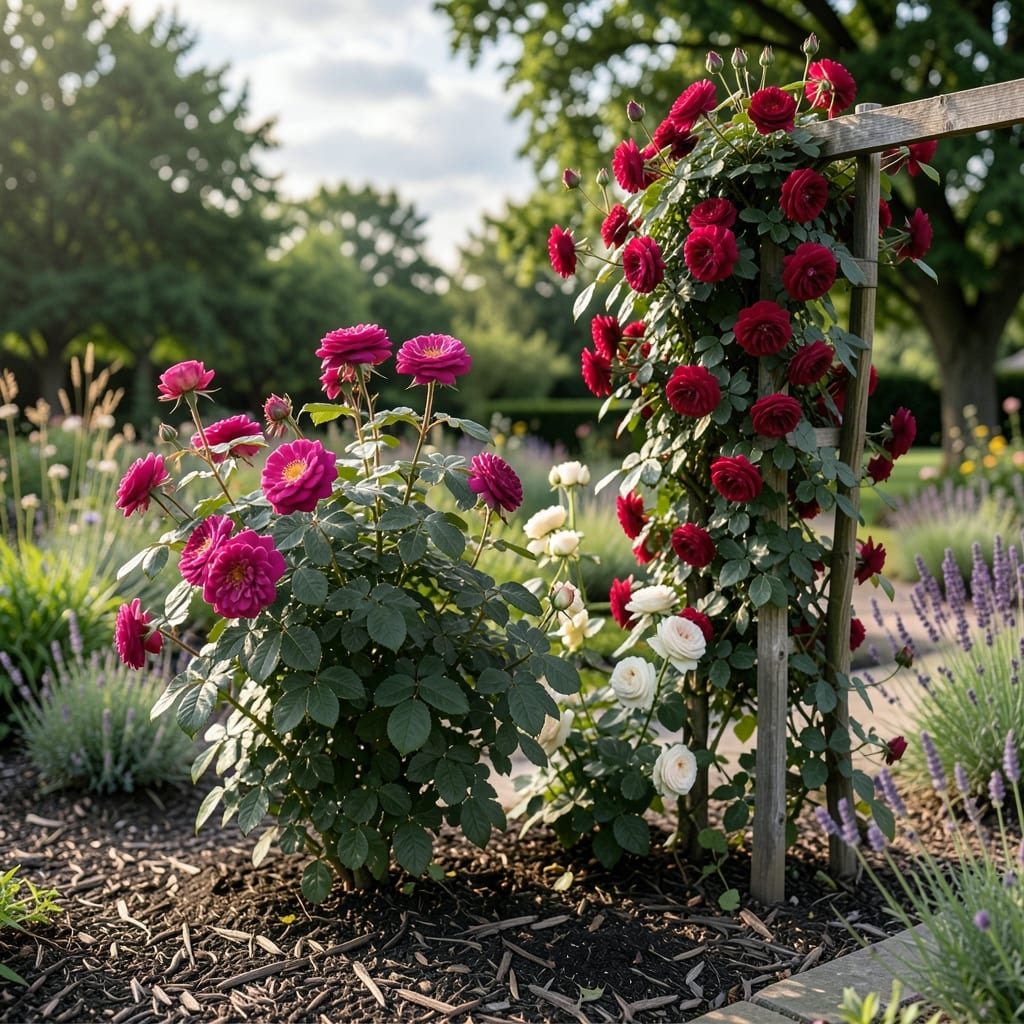
Ever wondered how tall a rose bush can grow—whether it could one day reach the sky or stay as small as a dinner plate? The answer depends more on the variety you choose than you might think. Some roses grow tall enough to climb a trellis or even a house, while others stay neatly contained in a pot on your patio.
If you're planning your garden layout or dreaming of a romantic arbor, knowing these heights is the key to making the right choice. Whether you love dramatic climbers or prefer compact shrubs, we’ll break down exactly how tall different rose types can grow—and how to shape them to fit your space perfectly.
Pruning isn’t just about keeping roses tidy—it’s a powerful tool to control their height. A little strategic trimming can turn a 10-foot monster into a manageable 3-foot shrub, or help a dwarf variety reach its full potential. Let’s uncover the secrets to growing roses that stay exactly the size you want.
From sun exposure to soil quality, even small changes in care can make a big difference in how tall your roses grow. You’ll learn which factors to watch—and how to tweak them for roses that thrive at your ideal height. Ready to transform your garden with perfect-sized blooms?

Rose bush height by variety: exact growth ranges for 15+ popular types
If you’re dreaming of a dramatic rose arch or a compact patio specimen, choosing the right variety is everything. Rose heights range from 12 inches to over 20 feet, depending on the type. Climbing roses, for example, can scale trellises like Climbing Jackman (15–25 ft), while miniature roses like 'Fairy' stay under 2 feet. Understanding these ranges helps you plan your garden layout and avoid overcrowding.
Most gardeners focus on three main categories: climbers, shrub roses, and hybrid teas. Each has distinct growth habits. Climbing roses need vertical support and can reach 10–20 feet, while shrub roses like 'Knock Out' grow 3–5 feet tall with a bushy habit. Hybrid teas, the classic cut-flower roses, typically hit 3–6 feet. Knowing these differences ensures you pick a rose that fits your space—and your pruning skills.
Here’s the key: space requirements often exceed the plant’s mature height. For instance, a 6-foot rose bush needs at least 3 feet of clearance on all sides for airflow. A 15-foot climber? Plant it 10 feet from fences or structures to avoid shading out other plants. Always check the spread width too—some roses grow wider than they do tall!
| Variety | Height Range | Spread | Best For |
|---|---|---|---|
| Climbing Jackman | 15–25 ft | 8–10 ft | Arches, trellises |
| Knock Out® Rose | 3–5 ft | 3–4 ft | Borders, hedges |
| Bonica | 4–5 ft | 3–4 ft | Patio, containers |
| David Austin English Rose | 5–6 ft | 4–5 ft | Bushes, borders |
| Fairy Miniature Rose | 1–2 ft | 1–1.5 ft | Window boxes, fairy gardens |
| New Dawn Climber | 12–15 ft | 6–8 ft | Obelisks, walls |
| Double Delight | 3–4 ft | 2–3 ft | Containers, small gardens |
| Zephirine Drouhin | 20–30 ft | 10–15 ft | Large trellises, pergolas |
*Height ranges are for mature plants in ideal conditions. Pruning and climate can adjust growth.
For small spaces, miniature roses and semi-dwarf varieties are game-changers. 'Fairy' or 'Tom Thumb' roses fit perfectly in window boxes or hanging baskets, while 'Double Delight' thrives in 5-gallon containers. If you’re working with limited vertical space, look for bush roses like 'Bonica' or 'Iceberg,' which stay under 5 feet but still produce stunning blooms.
On the opposite end, climbing roses are perfect for vertical gardening. Varieties like Zephirine Drouhin can reach 30 feet with proper support, making them ideal for pergolas, arbors, or chain-link fences. Pro tip: Install a trellis or obelisk at planting to give vines something to grip early. Without support, these roses sprawl and flop, losing their dramatic effect.
Don’t overlook ground cover roses like 'The Fairy' or 'Playboy,' which spread 4–6 feet wide but stay under 2 feet tall. They’re perfect for sloped areas or under trees, where taller plants might struggle. These roses also suppress weeds and add year-round interest with their foliage and hips.
One common mistake? Assuming all roses grow the same. A hybrid tea rose like 'Mister Lincoln' (5–6 ft) won’t behave like a <
How pruning affects rose bush height: techniques to control growth naturally
Did you know that a single rose bush can grow from a delicate 1-foot shrub to a towering 10-foot climber—all thanks to pruning? This isn’t magic; it’s science. Pruning determines whether your rose bush stays compact for container gardening or stretches toward the sky like a vertical garden feature. The key is understanding when, how, and why to trim.
Pruning isn’t just about cutting back overgrowth—it’s about redirecting energy. Heavy pruning in early spring encourages compact growth, while lighter trims in summer allow roses to reach their maximum height potential. Even the timing of cuts matters: a single wrong snip can stunt growth for a full season.
Before you grab your shears, here’s what you need to know: Pruning affects height in three ways. First, it removes old, woody stems that compete for nutrients, letting younger, taller canes grow. Second, it opens up the bush to better airflow, which reduces disease and encourages upward growth. Third, strategic cuts can train roses to climb or stay bushy.
One common mistake I see is over-pruning in the fall. Roses need their foliage to photosynthesize until frost to store energy for next year’s growth. If you cut back too much in autumn, your bush might struggle to reach its full height the following season.
For climbing roses, think of pruning as training a vine. Select 3–5 of the strongest canes and tie them to a trellis or arbor. Remove any competing canes that grow horizontally—they’ll never reach their maximum height potential. With the right approach, you can guide a rose bush to grow 10 feet tall in just a few years!
Remember, every rose variety responds differently. Hybrid teas like 'Double Delight' stay around 4–5 feet unless heavily pruned, while old garden roses like 'Blush Noisette' can sprawl to 6–8 feet without intervention. The key is to observe and adjust—your roses will thank you with lush blooms and the perfect height for your garden.