
Flowers
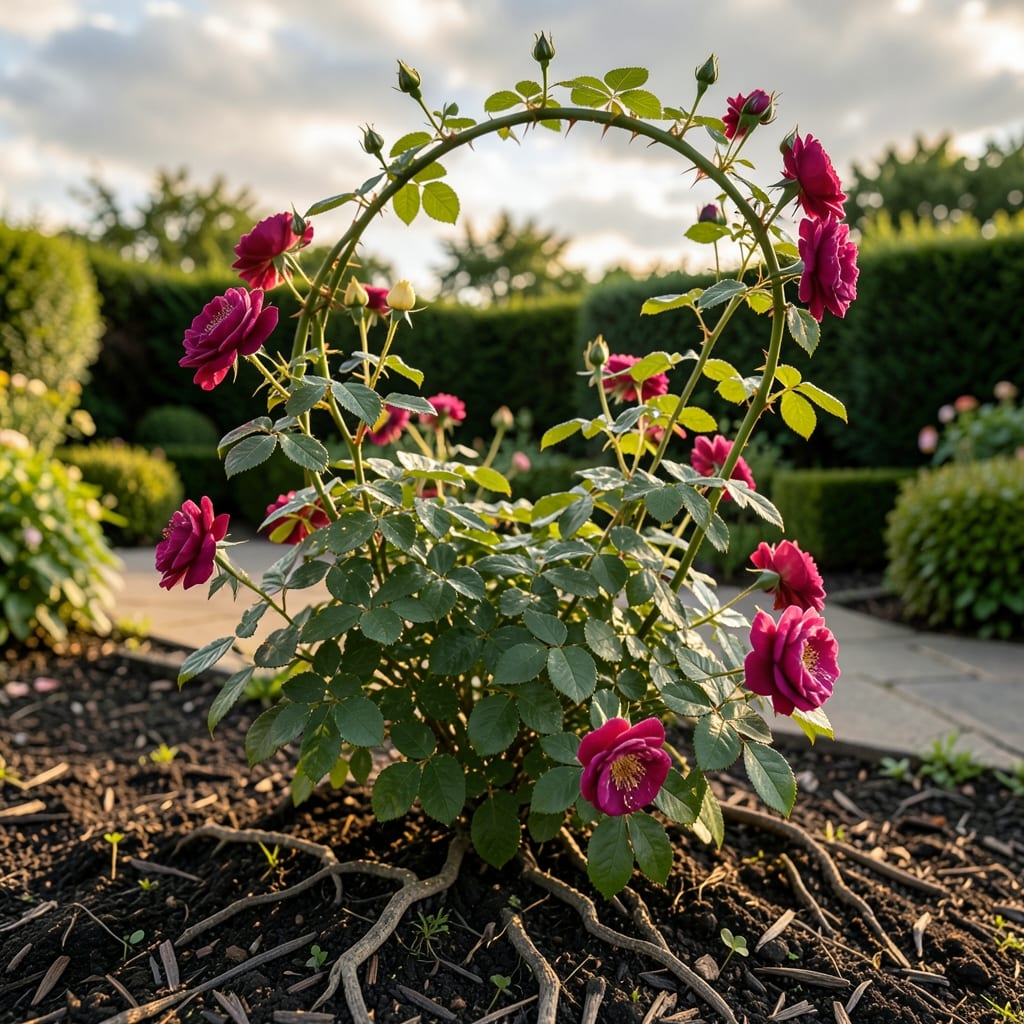
If you’ve ever wondered how tall a rose can grow—whether it’s a delicate climber reaching the second story or a bold hybrid stretching toward the sky—you’re not alone. Some varieties can climb 20 feet or more with the right care, turning your garden into a lush vertical masterpiece. But here’s the catch: not all roses grow this tall, and their height depends on type, pruning, and growing conditions.
The key to maximizing your rose’s growth starts with choosing the right variety. Climbing roses, like 'Zephirine Drouhin', can soar skyward, while shrub roses typically stay between 3 and 6 feet. Even hybrid teas, often thought of as compact, can surprise you with 6-foot stems if given the proper support and care.
Beyond variety, factors like soil quality, sunlight, and pruning techniques play a huge role. A well-fed rose with proper trellising can reach its full potential, but neglecting these details might leave you with a bushy but stunted plant. Let’s break down how to help your rose grow taller—and how to avoid common mistakes that hold it back.
Whether you’re a seasoned gardener or just starting, understanding these basics will help you cultivate a rose that’s not just beautiful, but breathtakingly tall. Ready to transform your garden into a vertical paradise?


Rose varieties and their maximum heights: from bushes to climbers
Roses aren’t one-size-fits-all when it comes to height—some stay petite while others reach skyward like living ladders. The variety you choose determines whether your rose will stay at 3 feet or soar to 20 feet. Understanding these differences helps you plan your garden layout and care routine. For example, dwarf roses like 'Fairy' or 'Bonica' max out at 1-3 feet, perfect for window boxes or container gardens, while climbing roses like 'Zephirine Drouhin' can climb 20 feet or more with proper support.
Height isn’t the only factor—growth habits vary too. Shrub roses like 'Knock Out' grow 3-6 feet tall with a bushy shape, ideal for hedges or borders. These varieties are low-maintenance but won’t reach dramatic heights. Meanwhile, climbing roses need sturdy structures like trellises or arbors to guide their long, flexible canes. Without support, they’ll sprawl instead of climbing, losing their vertical potential entirely.
Even hybrid teas, often thought of as compact, can surprise you. Varieties like 'Double Delight' or 'Mister Lincoln' can grow 6 feet tall when trained on a stake or trellis. Without support, they’ll grow as bushy shrubs, missing their full height potential. This is why support structures are critical for maximizing growth in taller varieties.
🌹 Rose Height Comparison
| Variety Type | Max Height | Growth Habit | Best For |
|---|---|---|---|
| Dwarf Roses | 1-3 ft | Compact, bushy | Containers, borders |
| Shrub Roses | 3-6 ft | Upright, multi-stemmed | Hedges, garden focal points |
| Climbing Roses | 10-20+ ft | Long canes, needs support | Trellises, arbors, fences |
| Hybrid Teas | 3-6 ft (with support) | Single-stemmed, strong canes | Cut flowers, small trellises |
Pro Tip: Climbers need strong trellises to reach their full height—weak supports = wasted potential.
When selecting a rose, consider not just height but also spread. A climbing rose like 'New Dawn' might reach 12-15 feet but also spread 6-8 feet wide, requiring ample space. Always check the mature size of a rose before planting to avoid overcrowding, which can stunt growth and invite diseases like black spot. Proper spacing ensures airflow and sunlight reach all parts of the plant, encouraging healthier, taller growth.
Another key factor is pruning. Regular pruning removes dead or weak growth, redirecting energy to stronger canes. For climbing roses, prune in late winter or early spring to encourage long, vigorous canes for climbing. Shrub roses benefit from pruning to maintain shape and size, while hybrid teas often need pruning to promote taller, straighter stems. Without pruning, roses can become leggy or overcrowded, limiting their height potential.
Soil quality also plays a role in height. Roses thrive in well-draining, nutrient-rich soil with a pH of 6.0-6.5. Amending your soil with compost or organic matter improves drainage and fertility, helping roses grow taller and stronger. Poor soil can lead to stunted growth, yellowing leaves, or weak canes that struggle to support the plant’s weight. Test your soil before planting to ensure it meets these requirements.
Finally, sunlight is non-negotiable. Roses need 6+ hours of full sun daily to reach their maximum height. In shady conditions, growth slows, and canes become weak. If your garden lacks full sun, consider dwarf or shrub varieties that tolerate partial shade better than climbers. For tall roses, prioritize a south-facing location to maximize sunlight exposure throughout the day.
With the right variety, support, pruning, and care, your rose can grow taller than you imagined—turning your garden into a fragrant, vertical masterpiece. Start by matching your rose’s height potential to your space, then give it the care it needs to thrive. 🌿
Rose varieties and their maximum heights: from bushes to climbers
Roses come in a stunning array of sizes, from tiny dwarf varieties that fit in window boxes to towering climbing roses that can reach the roof of your home. The height of your rose depends entirely on its type—each category has distinct growth habits and care needs. Understanding these differences will help you choose the perfect rose for your space and goals.
For example, dwarf roses like 'Fairy' or 'Bonica' typically max out at 1-3 feet, making them ideal for borders or containers. Meanwhile, shrub roses such as 'Knock Out' or 'Dr. Huey' grow 3-6 feet tall, perfect for hedges or standalone garden features. These varieties are hardy and low-maintenance, but they won’t reach skyscraper heights.
Now, let’s talk about the giants: climbing roses. Varieties like 'New Dawn' can stretch 12-15 feet, while 'Blaze' or 'Zephirine Drouhin' can hit 15-20 feet or more with proper support. These roses need sturdy trellises, arbors, or fences to guide their growth upward. Without support, they’ll sprawl rather than climb, losing their vertical potential.
🌹 Rose Height Guide
| Variety Type | Height Range | Growth Habit | Ideal Use |
|---|---|---|---|
| Dwarf Roses | 1-3 ft | Bushy, compact | Containers, borders |
| Shrub Roses | 3-6 ft | Upright, multi-stemmed | Hedges, garden focal points |
| Climbing Roses | 10-20+ ft | Long, flexible canes | Trellises, arbors, fences |
| Hybrid Teas | 3-6 ft (with support) | Single-stemmed, strong canes | Cut flowers, small trellises |
Tip: Climbing roses need strong support to reach their full height potential.
Even hybrid teas, often prized for their showy blooms, can surprise you with 6-foot stems when given proper care and support. Varieties like 'Double Delight' or 'Mister Lincoln' thrive when trained on a sturdy stake or trellis. Without support, they’ll grow as bushy shrubs rather than tall, elegant stems.
Choosing the right variety isn’t just about height—it’s also about your garden’s layout. A climbing rose along a fence or pergola adds drama, while a shrub rose in a mixed border offers year-round interest. Always check the mature height and spread of a rose before planting to ensure it fits your space. Overcrowding can stunt growth and lead to disease.
Ready to pick the perfect rose? Start by assessing your garden’s vertical space and sunlight. With the right variety and care, you’ll have a rose that grows tall enough to impress—and fragrance your garden for years to come. 🌿