
Trees
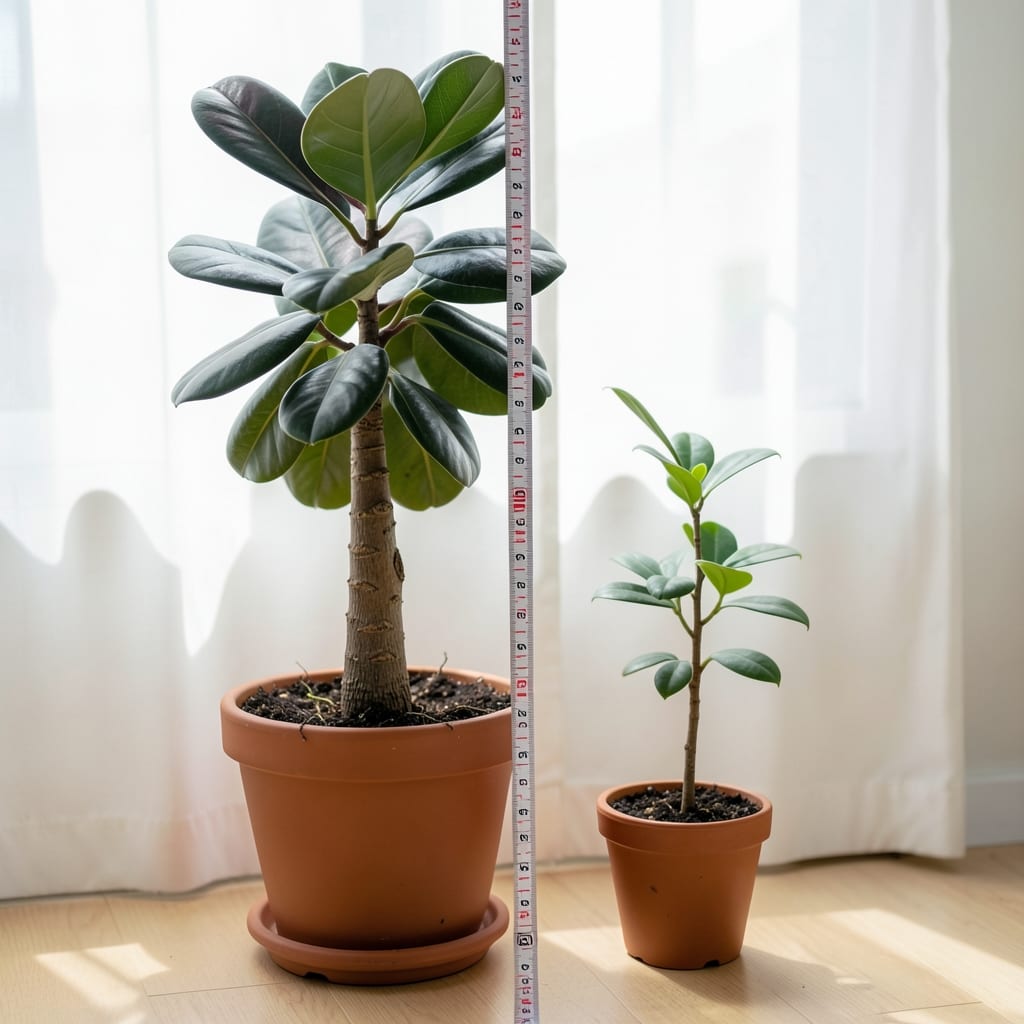
Ever wondered how tall a rubber tree can grow—whether it’ll stretch toward your ceiling or even your roof? The answer depends on where you grow it, because indoor rubber trees stay compact while outdoor varieties can soar to 35 feet or more under ideal conditions.
Most people assume their houseplant will stay small forever, but with the right care—like bright indirect light and proper pruning—your rubber tree could easily reach 10 feet indoors over a few years. The key lies in understanding how light, space, and variety influence growth rates.
Outdoor rubber trees thrive in warmer climates (zones 9-11) and can grow much taller than their indoor counterparts. Whether you're dealing with a 6-foot indoor specimen or a 20-foot outdoor giant, we’ll break down how to manage its height based on your environment.
Ready to learn how to control—or encourage—your rubber tree’s growth? From pruning techniques to light placement tricks, we’ve got the science-backed strategies to keep your plant at your desired height, no matter where it lives.


Rubber tree height limits: indoor growth potential explained
Indoor rubber trees (Ficus elastica) are famous for their striking foliage, but their height depends entirely on your care routine. With ideal conditions—like bright indirect light and regular pruning—your rubber tree can grow 10 feet tall indoors over 5–10 years. However, most houseplants stay between 6–8 feet without aggressive growth strategies.
The key to controlling height lies in understanding how light exposure and container size affect growth rates. A rubber tree in a small pot will grow slower (around 2–4 feet per year), while one in a large container with rich soil can shoot up 3–5 feet annually. Without pruning, some varieties like ‘Tineke’ can even hit 12 feet indoors!
Here’s a quick look at what influences indoor growth:
| Factor | Impact on Height | Actionable Tip |
|---|---|---|
| Light Exposure | ↑ Bright indirect light = 3x faster growth | Place near east/west windows or use grow lights. |
| Pot Size | ↑ Larger pot = taller growth (up to 2x) | Upgrade pots every 2–3 years for root expansion. |
| Pruning Frequency | ↓ Pruning = controlled height (e.g., 6–8 ft) | Trim top growth in spring to encourage bushiness. |
| Variety | ↑ ‘Tineke’ grows 20% taller than ‘Decora’ | Choose dwarf varieties for smaller spaces. |
If you’re aiming for a compact rubber tree (under 6 feet), focus on regular pruning and smaller pots. For a statement plant, maximize light and use large containers with well-draining soil. Remember: rubber trees grow faster in spring and summer, so adjust care during these seasons to hit your height goals.
One common myth is that rubber trees grow faster indoors than outdoors—but that’s false. Indoor plants grow slower due to limited space and light. To accelerate growth, supplement with grow lights (12–14 hours/day) or move your plant outdoors in warm months (if your climate allows).
Pro tip: Rotate your rubber tree quarterly to ensure even growth. Uneven light exposure can cause lopsided growth, making the plant lean toward windows. A well-balanced tree stays upright and sturdy, even as it reaches towering heights.
For variety-specific heights, Ficus elastica ‘Black Prince’ typically stays 6–8 feet indoors, while ‘Robusta’ can exceed 10 feet with optimal care. If you’re worried about ceiling collisions, prune the top third of the stem in early spring to encourage bushier growth instead of vertical shoots.
Finally, don’t forget that rubber trees are slow growers compared to bamboo, but with patience and the right conditions, you can shape them into the perfect size for your home—whether that’s a 6-foot centerpiece or a 12-foot indoor tree. 🌿
Outdoor rubber tree growth: how climate and variety affect height
When your rubber tree (Ficus elastica) moves outdoors, its growth potential skyrockets—especially in warm climates. Unlike their indoor counterparts, outdoor rubber trees can reach 20–35 feet when given enough space, sunlight, and proper care. The key difference? Outdoor plants experience year-round growing conditions in zones 9–11, where they thrive as small trees rather than houseplants.
Climate plays a massive role. In tropical regions like Florida or Hawaii, rubber trees grow aggressively, often exceeding 30 feet in ideal conditions. Meanwhile, in cooler zones (like 8 or below), growth slows dramatically, and the plant may struggle to exceed 10 feet without protection. Varieties like ‘Decora’ or ‘Tineke’ also respond differently to outdoor conditions.
Here’s how outdoor conditions compare to indoor growth:
Outdoor rubber trees also benefit from natural pruning—wind and rain can shape them into stronger, more resilient forms. However, if you’re in a cooler climate, protect young trees with frost cloths during winter to avoid stunted growth. In zone 9, mature rubber trees can even produce small, inedible fruits, adding another layer of interest to their outdoor presence.
For gardeners in warmer zones, soil quality is critical. Amend heavy clay with compost to improve drainage, and mulch around the base to retain moisture. Outdoor rubber trees are drought-tolerant once established, but they’ll reward you with faster growth and larger leaves when given consistent care.
If you’re dreaming of a 20-foot rubber tree in your yard, start with a healthy sapling and give it space—these plants hate being crowded. With the right conditions, your outdoor rubber tree could become a stunning focal point for decades to come. 🌳