
Size
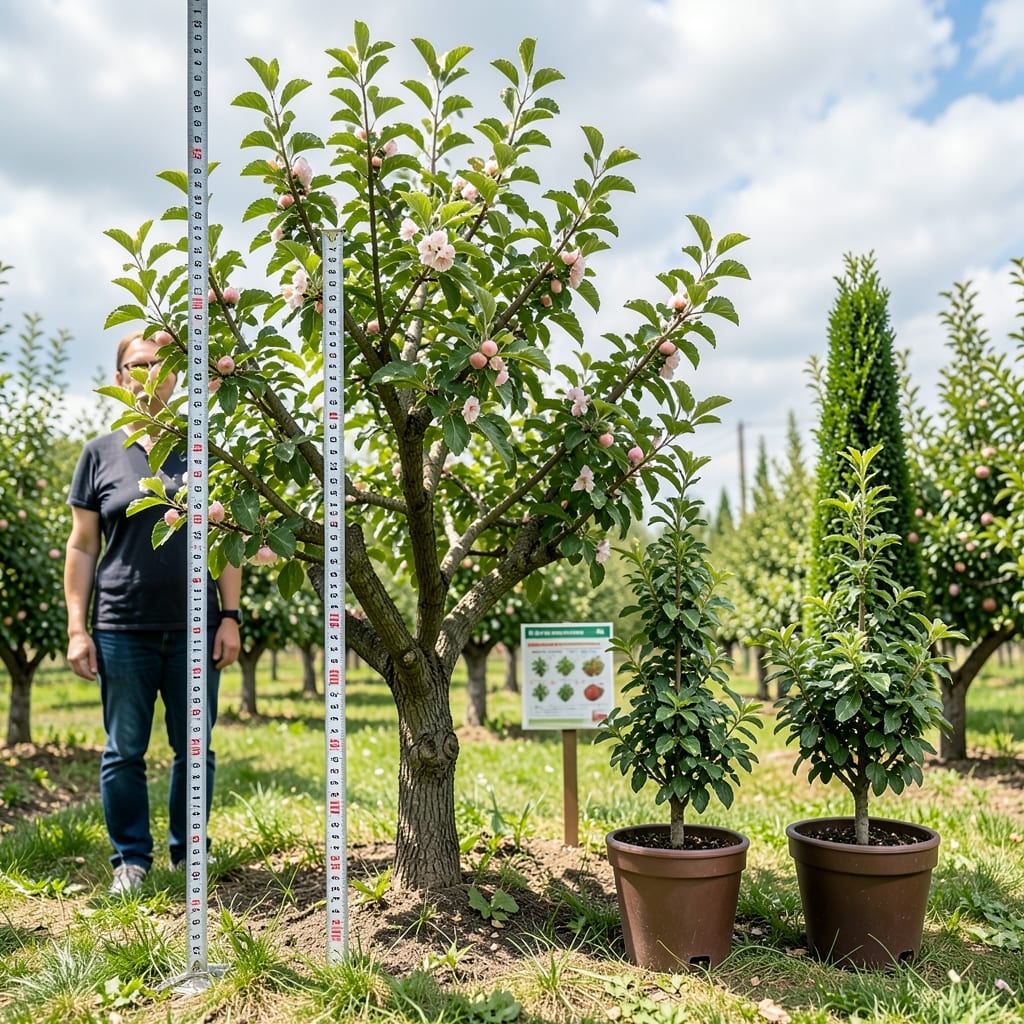
If you’ve ever wondered how tall apple trees can grow and whether they’ll fit your backyard, the answer depends on the variety you choose. Some stay as short as 8 feet, while others can soar past 20 feet, making the difference between a manageable backyard tree and a towering giant.
Choosing the right size isn’t just about aesthetics—it’s about fruit production, ease of care, and even how much space you’ll need to prune and harvest. Whether you’re working with a cozy patio or a sprawling yard, understanding the height ranges of dwarf, semi-dwarf, and standard apple trees will help you pick the best fit. Let’s break down what to expect and how to keep your tree in check.
Dwarf varieties, like ‘Columnar’ or ‘Spindle’ types, are designed for small spaces, while standard trees can reach heights that rival a two-story house. The key to managing growth lies in pruning techniques that encourage healthy branches and abundant fruit—without letting your tree take over your landscape. I’ll show you how to balance size and productivity so you can enjoy homegrown apples without the headache.
Ready to find the perfect apple tree for your space? We’ll cover the best low-growing varieties, pruning tips for small gardens, and how to maximize fruit yield—no matter how much (or little) room you’ve got. Let’s get started!


Apple tree height by variety: dwarf to standard trees explained
Apple trees come in three main size categories, each offering different benefits for your garden. Dwarf varieties stay compact at 8-12 feet, making them perfect for small yards or even containers. Semi-dwarf trees reach 12-18 feet, striking a balance between manageable size and fruit production. Meanwhile, standard varieties can grow 20-30 feet, requiring more space but producing larger yields. The variety you choose directly impacts how much room you’ll need and how much maintenance your tree will require.
Understanding these height ranges helps you plan for pruning, spacing, and even harvest accessibility. For example, a 20-foot standard tree needs 20-25 feet of clearance from structures, while a 10-foot dwarf can thrive in a 6-foot-wide space. Let’s explore the specifics of each type so you can pick the best fit for your garden.
Here’s a quick comparison of what to expect from each category, including popular varieties and their mature heights:
| Variety Type | Mature Height | Space Needs | Best For |
|---|---|---|---|
| Dwarf | 8–12 ft | 6–8 ft radius | Containers, small yards, urban gardens |
| Semi-Dwarf | 12–18 ft | 10–12 ft radius | Backyards, community gardens |
| Standard | 20–30 ft | 20–25 ft radius | Large properties, orchards |
| Type | Variety | Notes |
|---|---|---|
| Dwarf | 'Columnar' | Narrow, 8–12 ft tall; ideal for tight spaces |
| Dwarf | 'Red Delicious' | Compact, 8–10 ft; great for containers |
| Semi-Dwarf | 'Fuji' | 12–16 ft; sweet, reliable fruit |
| Semi-Dwarf | 'Gala' | 14–16 ft; early ripening, disease-resistant |
| Standard | 'Granny Smith' | 20–25 ft; tart flavor, large fruit |
| Standard | 'Honeycrisp' | 25–30 ft; crisp, sweet apples |
When selecting a variety, consider your available space and pruning commitment. Dwarf trees require less maintenance but may produce smaller fruit, while standard trees offer larger yields but need more room and regular pruning to manage their height. For example, a 'Columnar' dwarf can fit neatly in a 4x4-foot space, while a 'Honeycrisp' standard will need a dedicated corner of your yard.
Another factor to weigh is fruit production. Dwarf trees may yield fewer apples per season, but their compact size makes them easier to harvest and maintain. Semi-dwarf trees strike a balance, offering more fruit than dwarfs while staying manageable. If you’re dreaming of a bushel of apples but lack the space for a standard tree, a semi-dwarf variety like 'Fuji' could be your best bet.
Proper spacing is critical for all apple trees. A dwarf tree planted too close to a fence or other structures will struggle to grow, while a standard tree needs ample room to avoid root competition. Always check the recommended spacing for your chosen variety—most dwarf trees need 6-8 feet of clearance, while standard trees require 20-25 feet. This ensures healthy growth and prevents future pruning headaches.
If you’re working with limited space, container-grown dwarf varieties are a game-changer. These trees can thrive in large pots, allowing you to grow apples on patios, balconies, or even small backyards. Just ensure your container is at least 18 inches wide and deep and has drainage holes to prevent root rot. Varieties like 'Red
Apple tree height by variety: dwarf to standard trees explained
Apple trees come in three main height categories—dwarf, semi-dwarf, and standard—each with distinct space requirements and growth patterns. If you’re dreaming of a backyard orchard but have limited space, choosing the right variety is crucial. Dwarf trees, for example, typically reach 8–12 feet at maturity, making them perfect for small yards or even large containers, while standard varieties can tower 20–30 feet, needing ample room to spread their branches.
The height of your apple tree directly impacts fruit production, pruning needs, and even how easy it is to harvest. A standard apple tree might produce more apples over time, but a dwarf variety will yield fruit sooner and require less maintenance. Let’s break down the heights you can expect from each type, along with popular varieties that fit specific spaces.
| Variety Type | Mature Height | Space Needs | Best For |
|---|---|---|---|
| Dwarf | 8–12 ft | 6–10 ft apart | Containers, small yards, urban gardens |
| Semi-Dwarf | 12–18 ft | 12–15 ft apart | Medium yards, backyard orchards |
| Standard | 20–30 ft | 20–25 ft apart | Large properties, rural settings |
For example, the ‘Columnar’ apple tree, a dwarf variety, grows only 8–10 feet tall but produces fruit along its entire length, making it ideal for narrow spaces. On the other hand, a ‘Granny Smith’ standard tree can reach 25 feet or more, requiring careful planning for both root and canopy spread. If you’re working with a small urban garden, a semi-dwarf like ‘Liberty’ (12–16 feet) offers a balance between manageable size and abundant harvests.
Another factor to consider is rootstock influence. Dwarf trees are grafted onto smaller rootstocks (like M.9 or B.9), which restrict growth, while standard trees use vigorous rootstocks like Seedling or MM.106. The rootstock determines not just height but also cold hardiness and drought tolerance, so choose one that matches your climate zone.
If you’re planning to grow multiple apple trees, spacing is critical. A standard tree needs at least 20 feet between it and other trees to avoid competition for nutrients and sunlight. In contrast, dwarf trees can be planted just 6–8 feet apart, making them perfect for creating a dense, productive orchard in a limited area. Always check the specific spacing recommendations for your chosen variety to ensure healthy growth.
Remember, even dwarf trees can grow taller if not pruned properly. Regular pruning and training are essential to maintain the desired height and shape. For instance, a ‘Spindle’ apple tree, another compact variety, benefits from annual pruning to keep it under 10 feet while encouraging a bushier form for better fruit distribution. With the right care, you can enjoy homegrown apples—no matter how much (or little) space you have!