
Trees
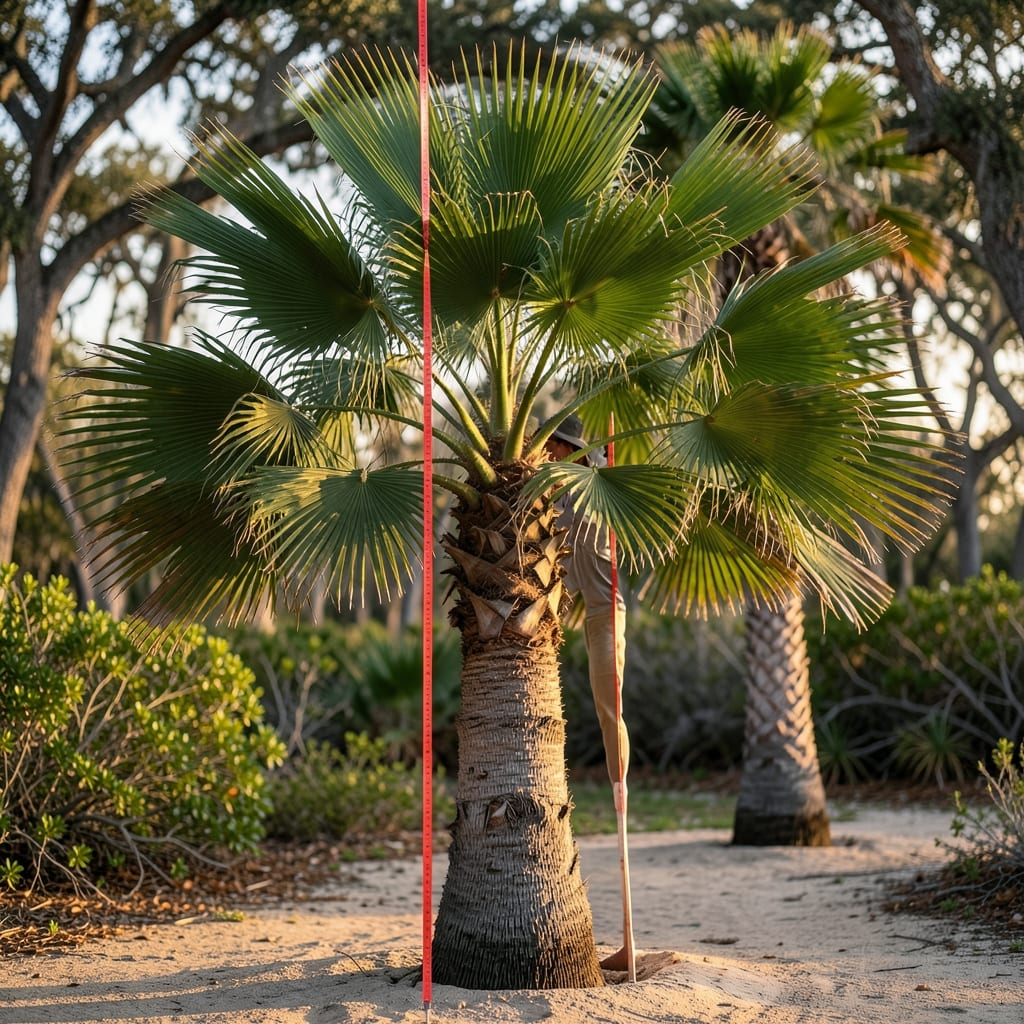
Ever wondered just how tall a Sabal palm can grow in meters? The answer might surprise you—some varieties stretch up to 15 meters or more, while others stay modestly sized. If you're planning your landscape design, knowing these height ranges is the key to making the right choice for your space.
Sabal palms are known for their adaptability, thriving in USDA zones 8-11, but their mature height varies dramatically depending on the species. Whether you're eyeing the majestic Sabal palmetto or the more compact Sabal minor, understanding these differences will help you visualize the perfect fit for your yard.
In this guide, I’ll break down the height ranges by species, share how climate and care impact growth, and give you practical tips to manage your palm’s size. By the end, you’ll know exactly what to expect—and how to keep your Sabal palm 🌴 looking its best, no matter how tall it grows.
Ready to find out which variety suits your space? Let’s dive in and explore the stunning possibilities!

Sabal palm height ranges by species: mature heights in meters
When selecting a Sabal palm for your landscape, knowing its mature height in meters is essential. These palms vary dramatically—some reach 15 meters or taller, while others stay under 3 meters. The species you choose will determine whether your palm becomes a towering focal point or a compact accent plant.
For example, the Sabal palmetto (the most common variety) typically grows 10-15 meters tall, making it perfect for large properties or as a statement tree. In contrast, the Sabal minor (also called the dwarf palmetto) maxes out at just 2-3 meters, ideal for smaller yards or container gardening.
Here’s a quick comparison of the most popular Sabal palm varieties and their mature heights in meters:
| Variety | Mature Height (Meters) | Growth Rate | USDA Zones |
|---|---|---|---|
| Sabal palmetto | 10-15 m | Slow to moderate | 8-11 |
| Sabal minor | 2-3 m | Slow | 8-10 |
| Sabal causiarum | 8-12 m | Moderate | 9-11 |
| Sabal domingensis | 15-25 m | Moderate to fast | 10-11 |
| Sabal etonia | 3-5 m | Slow | 8-10 |
The Sabal palmetto and Sabal domingensis are the tallest varieties, often surpassing 10 meters and even reaching 25 meters in ideal conditions. These giants thrive in USDA zones 9-11, where they can fully express their height potential.
If you’re working with limited space, the Sabal minor or Sabal etonia are excellent choices, staying well under 5 meters. These dwarf varieties grow slowly, making them manageable for smaller gardens or container plantings.
For a mid-sized option, the Sabal causiarum (also called the Cuban palmetto) hits 8-12 meters at maturity. It’s a great compromise for medium-sized yards, offering a balance of height and manageability.
Remember, these heights are approximate—your palm’s final size depends on factors like soil quality, water availability, and pruning practices. In the next section, I’ll explain how your local climate can influence your Sabal palm’s growth trajectory.
How climate zones affect Sabal palm growth: cold tolerance vs. height potential
Your Sabal palm’s mature height isn’t just about the species—it’s heavily influenced by your USDA climate zone. In cooler zones like Zone 8, growth slows significantly, while tropical Zone 10+ climates allow these palms to reach their full 15-meter potential. For example, a Sabal minor in Zone 8 might max out at just 2-3 meters, while the same palm in Zone 11 could easily double that height.
The key difference lies in cold tolerance. Most Sabal palms struggle below 10°F (-12°C), which limits their growth in northern zones. Even in Zone 9, where they thrive, Sabal palmetto may only reach 10-12 meters instead of its full 15-25 meters in warmer climates.
🌡️ Wind exposure also plays a role—coastal areas with salty winds can stunt growth, while inland zones with gentle breezes support taller, fuller palms. Always consider your local microclimate when planning spacing for these majestic trees.
Another critical factor is soil drainage. Waterlogged roots in heavy clay soils can stunt growth, while well-draining sandy soils allow palms to reach their full height. In Zone 10, where Sabal causiarum thrives, proper drainage helps it achieve 12-18 meters—but poor drainage could cut that in half.
Sunlight needs also shift with climate. In Zone 8, palms need full sun (6+ hours daily) to compensate for slower growth, while Zone 11 palms tolerate partial shade better due to their natural tropical environment. Always match your palm’s sunlight needs to your local climate for optimal height development.
For gardeners in transition zones (Zones 8-9), consider dwarf varieties like Sabal minor if space is limited—they’ll stay under 3 meters while still offering stunning tropical appeal. In warmer zones, embrace the giants like Sabal palmetto for that dramatic, 20-meter statement piece.
🌿 Pro Tip: If you’re in a cooler zone but love tall palms, plant near a south-facing wall to create a microclimate that mimics tropical conditions and encourages faster, taller growth.