
Succulent
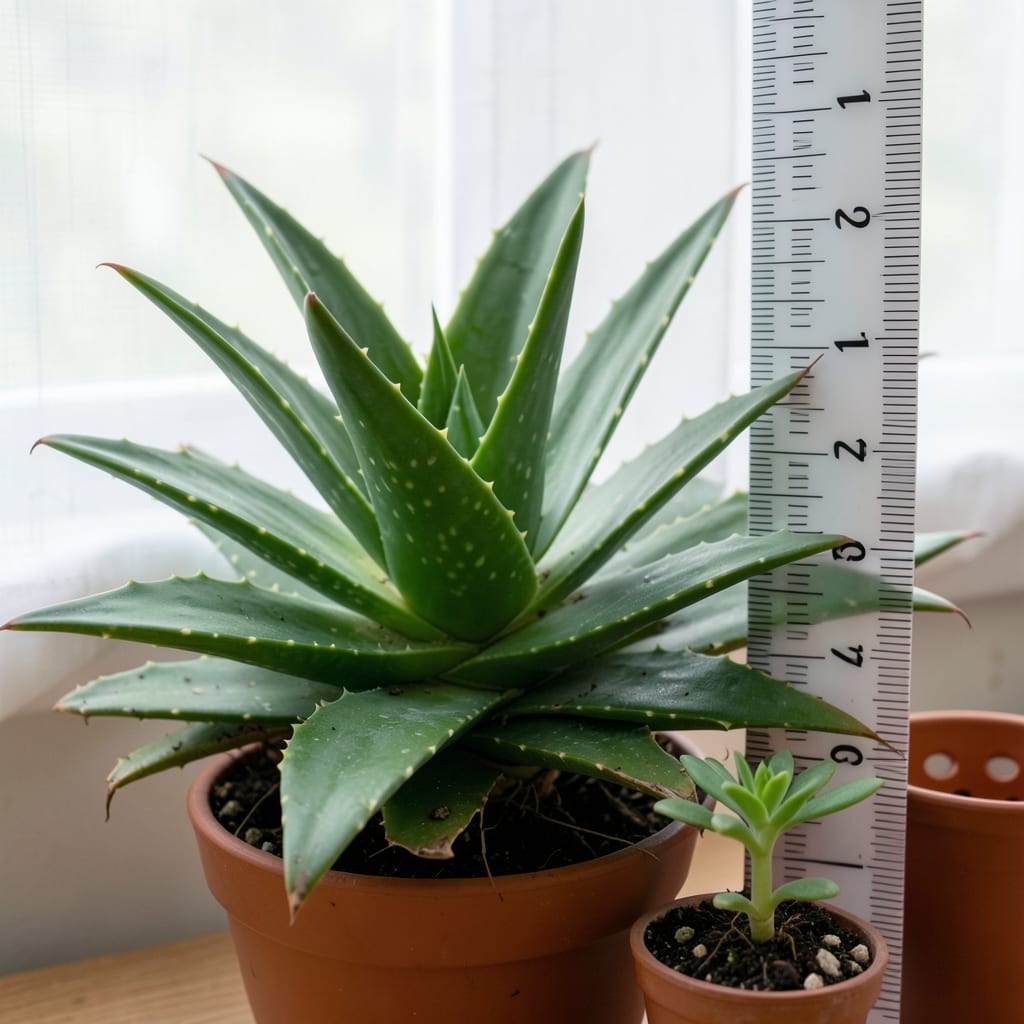
If you’ve ever wondered how tall a succulent can grow, the answer might surprise you. Some varieties stay compact forever, while others grow into towering giants that turn your windowsill into a vertical garden. The height of your succulent isn’t just about luck—it’s all about the species, care, and a little strategic planning.
From the dwarf varieties that barely reach your palm to the tree-like giants that demand ceiling space, succulents come in every size imaginable. Whether you’re working with limited shelf space or dreaming of a dramatic indoor jungle, knowing how tall your succulent can grow helps you choose the perfect plant—and the right pot to keep it happy.
In this guide, I’ll break down the height ranges of popular succulents, the factors that control their growth, and how to encourage (or limit) their size. You’ll discover which varieties thrive in small spaces and which need room to reach their full potential—plus tips to keep them healthy no matter how tall they get.
Ready to transform your space with the perfect succulent size? Let’s dive into the world of miniature marvels and towering beauties—and find out which one fits your vision.

Succulent growth heights by species: from tiny to tree-like giants
Succulents aren’t one-size-fits-all—some stay small enough for a windowsill garden, while others grow tall enough to rival small trees. The mature height of a succulent is mostly determined by its species, but care habits can influence how close it gets to its full potential. If you’re choosing plants based on space or design goals, knowing these height ranges will help you pick the perfect fit.
Below, I’ve organized popular succulents into three categories: dwarf (under 6 inches), medium (6 inches to 3 feet), and towering (3 feet and above). Each group has unique care needs and styling opportunities, so let’s explore which varieties will thrive in your space—and how to support their growth.
🌵
| Category | Succulent Variety | Mature Height | Space Needs | Care Tip |
|---|---|---|---|---|
| Dwarf | Haworthia | 2-4 inches | Desk, shelf | Bright indirect light |
| Dwarf | Echeveria 'Lola' | 3-5 inches | Windowsill, terrarium | Well-draining soil |
| Dwarf | Lithops (Living Stones) | 1-2 inches | Rock gardens, small pots | Minimal watering |
| Medium | Aloe Vera | 1-2 feet | Floor pot, kitchen counter | Full sun exposure |
| Medium | Sedum 'Burro’s Tail' | 12-18 inches | Hanging baskets, shelves | Prune for bushiness |
| Medium | Kalanchoe 'Flapjacks' | 1-2 feet | Bright corners, tables | Rotate for even growth |
| Towering | Agave 'Blue Glow' | 3-5 feet | Outdoor beds, large pots | Slow-growing, needs space |
| Towering | Beaucarnea 'Ponytail Palm' | 6-10 feet | Indoor/outdoor, large containers | Drought-tolerant, minimal care |
| Towering | Dracaena 'Dragon Tree' | 4-6 feet | Corner spots, large rooms | Slow growth, low light |
Dwarf succulents like Haworthia and Lithops are perfect for small spaces, while medium-height varieties like Aloe Vera add height without overwhelming a room. If you’re dreaming of a statement plant, towering types like Agave or Beaucarnea will steal the show—but they need room to grow.
For example, a Beaucarnea 'Ponytail Palm' can reach 10 feet tall indoors with proper care, while a Haworthia will stay cozy at just 2-4 inches. The key is matching the plant’s natural growth habit to your space and lifestyle. Need a low-maintenance tall succulent? The Dracaena thrives in low light and grows slowly, making it a great indoor option.
🌿
If you’re unsure which size to choose, consider your lighting conditions and pot size. Smaller succulents often need bright indirect light, while taller varieties can handle <
What determines how tall a succulent gets (and how to control it)
Your succulent’s height isn’t just a matter of genetics—it’s a mix of environmental factors and the care you provide. While some species are naturally compact, others can stretch toward the sky if given the right (or wrong!) conditions. Understanding these key influences helps you guide growth to match your space and aesthetic goals.
First, let’s talk species genetics. Some succulents, like Lithops or Haworthia, are hardwired to stay small, rarely exceeding 3 inches. Others, like Agave or Pachypodium, have the potential to reach 10+ feet with proper conditions. Even within a species, individual plants may vary slightly in height due to natural genetic differences.
Next, sunlight exposure plays a huge role. Succulents crave bright light, but too little can cause etiolation—where they stretch unnaturally toward light, becoming leggy and weak. Place your plants in a south-facing window or under grow lights for 6+ hours daily to encourage compact, sturdy growth. If you notice elongated stems, it’s time to move them closer to a light source.
🌱 Key Factors Influencing Succulent Height
- 🌿 Genetics: Species determines max height (e.g., Agave = 10ft vs. Lithops = 2in)
- ☀️ Sunlight: Insufficient light = leggy growth; too much = compact, sturdy stems
- 🪴 Pot Size: Root-bound plants grow faster but may become top-heavy; oversized pots slow growth
- ✂️ Pruning: Regular trimming encourages bushier growth and controls height
- 💧 Watering: Overwatering causes weak stems; underwatering stresses plants and may stunt growth
Don’t overlook the pot size—it’s a silent growth regulator. Succulents thrive in snug pots that encourage root density and upward growth. If your plant’s roots are circling the bottom, it’s time to upgrade to a slightly larger container (just 1-2 inches wider). However, oversized pots with excess soil can slow growth as the plant focuses on filling the space rather than reaching for the sky.
Pruning is another powerful tool to control height and shape your succulent. For taller varieties like Sansevieria (snake plant), simply snip the top growth to encourage bushier, fuller growth. You can even propagate the cuttings to create new plants! For compact varieties, a light trim after flowering helps maintain their neat, tidy appearance while preventing them from becoming top-heavy.
Finally, watering habits impact height indirectly. Overwatering leads to weak, spindly stems as the plant struggles to support its own weight. Always let the soil dry completely between waterings—stick your finger 1-2 inches into the soil, and only water when it feels completely dry. In winter, reduce watering to every 4-6 weeks to mimic dormancy conditions and prevent leggy growth.
With these factors in mind, you can shape your succulent’s growth to fit your space perfectly. Whether you want a miniature masterpiece on your desk or a dramatic vertical statement, the power is in your hands—and your care routine.