
How To
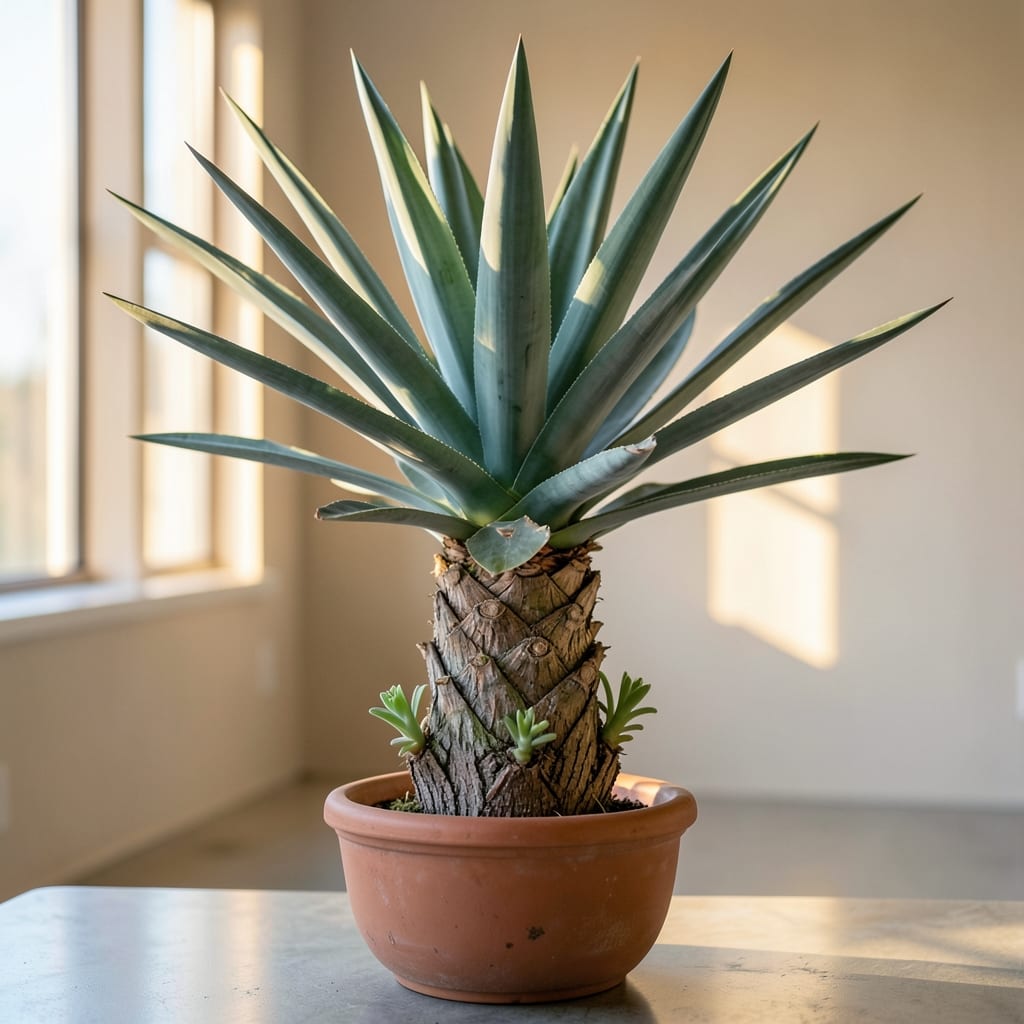
If you’ve ever wondered how tall a yucca can grow, the answer might surprise you—some varieties stretch taller than a two-story house! 🌵 Whether you’re dreaming of a dramatic desert-style garden or just curious about this hardy plant’s potential, understanding its growth habits is key.
The height of your yucca depends entirely on the variety—some stay compact at just 3 feet, while others like Yucca rostrata can soar to 40 feet or more. That’s right, these architectural plants can rival small trees with the right care, making them a stunning focal point for any landscape.
But how do you encourage (or control) that growth? Climate, soil, and pruning play huge roles. In warmer zones like USDA 6a and beyond, yuccas thrive with minimal effort, while cooler regions may need extra protection. I’ll break down the factors that determine just how tall your yucca can grow—and how to manage it for the perfect look.
Ready to turn your garden into a yucca wonderland? Let’s explore the sky-high possibilities and the secrets to keeping your plants at your ideal height—whether that’s a towering giant or a neatly trimmed shrub.


Yucca plant height by variety: from compact to towering giants
Yucca plants are famous for their striking height, but not all varieties reach the same sky-high glory. The Yucca elephantipes, also called spineless yucca, is one of the most popular and can grow between 10 to 20 feet tall, making it perfect for dramatic garden statements. This variety thrives in USDA zones 7-11 and grows slowly but steadily, giving you years to enjoy its architectural form.
If you’re dreaming of a yucca that rivals a small tree, look no further than the Yucca rostrata. This desert giant can reach an astonishing 30 to 40 feet tall, with a trunk that thickens over time. Native to the Sonoran Desert, it’s a true showstopper but requires full sun and well-draining soil to reach its full potential. Think of it as nature’s own palm tree—without the fuss!
For something more manageable, the Yucca filamentosa, or Adam’s needle, tops out at 6 to 10 feet tall. It’s a fan favorite for its drought tolerance and cold hardiness, making it ideal for USDA zones 4-10. This variety is perfect if you want a yucca that’s tall enough to make an impact but doesn’t overwhelm your space.
Don’t overlook the Yucca gloriosa, which grows 4 to 8 feet tall and boasts striking arching leaves. It’s a great mid-sized option for smaller gardens or container growing. Pair it with succulents or agave for a cohesive desert-inspired look.
Here’s where things get interesting: some yucca varieties, like Yucca baccata (banana yucca), can grow 12 to 15 feet tall but have a more bushy, multi-stemmed habit. This makes them ideal for creating natural privacy screens or windbreaks in larger landscapes.
Now, let’s talk about the compact yuccas that are perfect for containers or small gardens. The Yucca brevifolia (Mojave yucca) grows 3 to 6 feet tall and has a tree-like form, while the Yucca smalliana stays around 3 to 5 feet and thrives in rock gardens or slopes. These varieties prove that yuccas aren’t just for big spaces!
🌵
Choosing the right yucca variety depends on your space and climate. If you live in a warmer zone, you can push the limits with towering varieties like Yucca rostrata. For cooler climates, Yucca filamentosa or Yucca gloriosa will thrive with minimal fuss. And if you’re working with limited space, compact varieties like Yucca brevifolia are perfect for containers or small gardens.
Pro tip: If you’re growing yuccas in containers, choose dwarf varieties or prune taller ones regularly to keep them manageable. A 15-gallon pot is ideal for most yuccas, but larger varieties may need oversized containers to prevent root binding, which can stunt growth.
Remember, the height of your yucca isn’t just about the variety—it’s also about the care you provide. Full sun, well-draining soil, and minimal watering are the secrets to encouraging those towering heights. Let’s explore how to manage that growth in the next section!
Pruning secrets to control yucca height: when and how to trim
Pruning your yucca isn’t just about keeping it tidy—it’s a powerful way to control height and encourage a fuller, bushier shape. Since some varieties like Yucca rostrata can grow taller than a two-story building, regular pruning helps manage their size while maintaining their striking appearance. The best time to prune is late winter or early spring, just as new growth begins, but you can also trim dead or damaged leaves anytime.
Start by removing any dead, brown, or diseased leaves at the base of the plant. Use clean, sharp pruning shears or a pruning saw for thicker stems. Cut just above a leaf node or branch to encourage new growth from that point. This not only improves the plant’s appearance but also redirects energy to healthier parts, promoting a denser structure.
If your yucca is growing too tall for your space, you can top it off to encourage bushier growth. Simply cut the top 1/3 to 1/2 of the plant just above a leaf node. This may seem drastic, but yuccas are resilient and will quickly sprout new branches from the remaining stem. For varieties like Yucca elephantipes, this technique can transform a single-stemmed plant into a multi-stemmed shrub over time.
🌵
- Step 1: Inspect your yucca for dead or damaged leaves and remove them at the base.
- Step 2: Use sterilized pruning shears to cut just above a leaf node or branch.
- Step 3: For height control, top the plant by cutting 1/3 to 1/2 of the top growth.
- Step 4: Apply pruning paste to larger cuts to prevent disease.
- Step 5: Water lightly after pruning to help the plant recover.
One common mistake gardeners make is pruning too late in the season. Pruning in fall or winter can stress the plant, especially in cooler climates, and may delay spring growth. Another pitfall is cutting too close to the base, which can damage the plant’s growth center and stunt future development. Always leave at least 6 inches of healthy stem when pruning for height control.
After pruning, your yucca may look a bit sparse at first, but don’t worry—new growth will sprout within a few weeks. To encourage the best results, keep your plant in full sun and well-draining soil and avoid overwatering during the recovery period. With the right care, your pruned yucca will soon be fuller and more vibrant than ever!
Pro tip: Save your pruned cuttings! Yucca stems root easily in sandy soil or water, making it simple to propagate new plants. Just place the cuttings in a shady spot for a few days to callous over, then plant them in well-draining soil. Before you know it, you’ll have multiple yuccas to fill your garden—or share with fellow plant lovers!