
Plants
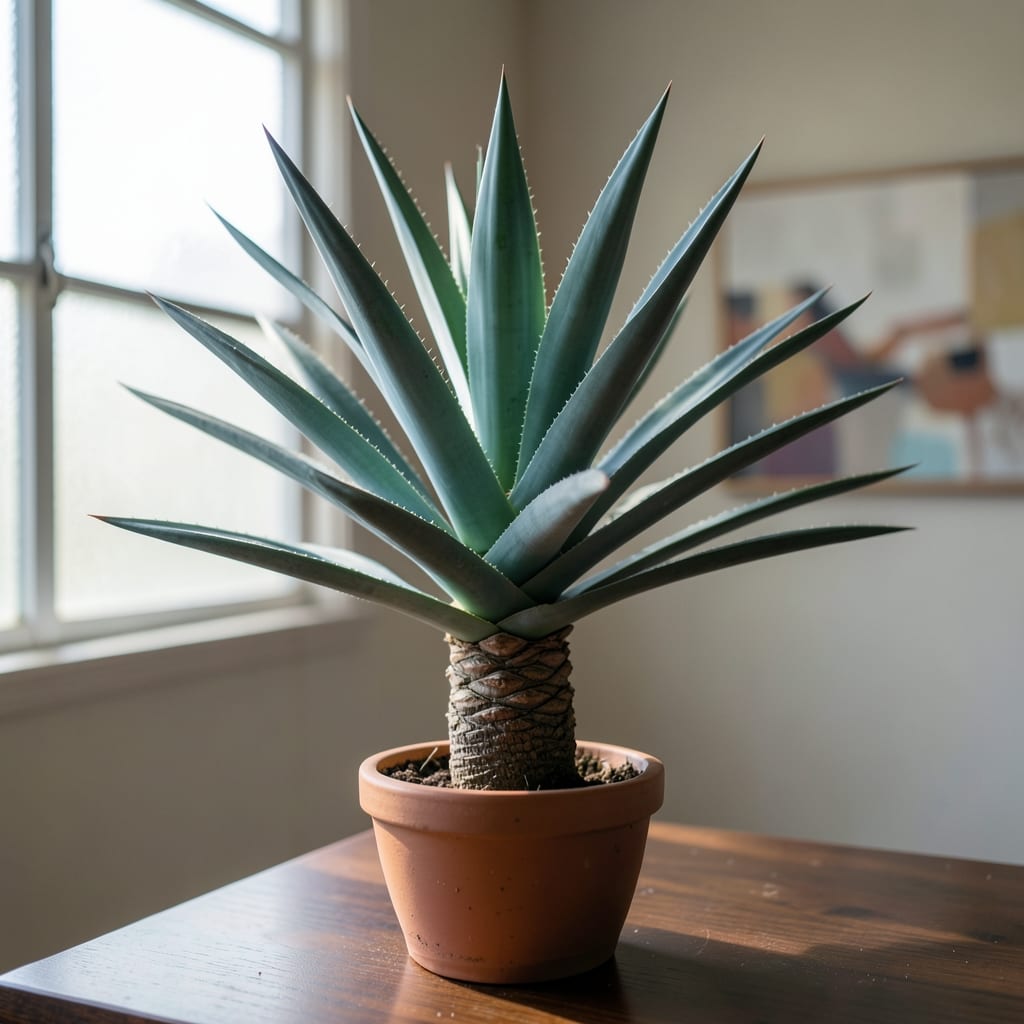
If you're dreaming of a dramatic, drought-resistant plant that adds architectural flair to your landscape, understanding how tall can a yucca plant grow is your first step. Some varieties stretch toward the sky like small trees, while others stay neatly contained—making them perfect for containers or small spaces. The difference often comes down to the species you choose and how you care for it.
Picture this: a 🌵 yucca elephantipes reaching 10-20 feet at maturity, casting shade over your patio, while a Yucca rostrata stays compact at just 3-5 feet. That’s the beauty of yuccas—they offer variety to match every garden style. Whether you're planning a bold statement piece or a low-maintenance border, knowing the height potential helps you pick the right plant for your vision.
But here’s the catch: growth isn’t just about the species. Sunlight, soil, and even your local climate play a huge role in whether your yucca will stay modest or shoot for the sky. I’ll break down the factors that influence height—so you can set your plant up for success from day one. Let’s explore how to choose, grow, and manage yuccas that fit your space perfectly.
Ready to transform your outdoor area with a striking, low-water plant? You’ll discover how to select the ideal yucca variety, optimize its growth, and keep it thriving—no matter how tall (or short) you want it to be. Let’s get started!


Yucca plant height by variety: from dwarf to giant species
Yuccas are famous for their dramatic height range, offering something for every garden—whether you crave a towering centerpiece or a compact container plant. The mature height of a yucca depends entirely on the variety, with some varieties growing as small as 2 feet while others stretch toward 20 feet or more. Let’s explore the most popular species and their growth potential to help you choose the perfect fit for your space.
For small-space gardeners, dwarf varieties like Yucca filamentosa and Yucca recurvifolia are ideal, typically reaching 3-5 feet at maturity. These are perfect for containers or as low-maintenance border plants. On the other end of the spectrum, Yucca elephantipes and Yucca gigantea can grow 10-20 feet, making them stunning focal points for large landscapes or desert gardens.
Here’s the key takeaway: growth rate varies by species, but most yuccas grow 1-2 feet per year under ideal conditions. In the first year, expect modest growth (just 1-2 feet), but by year three, many varieties will reach 50-75% of their mature height. Let’s dive into the specifics so you can visualize how each variety will fit into your garden.
If you’re planning for long-term growth, consider the Yucca elephantipes or Yucca gigantea—both are architectural powerhouses that will dominate your landscape in just a few years. For immediate impact without the commitment to a towering plant, Yucca filamentosa or Yucca recurvifolia deliver stunning foliage and blooms in a compact package.
One of my favorite container-friendly options is Yucca rostrata, which stays under 5 feet but still makes a bold statement. Its rosette shape and spiky leaves add texture to any patio or balcony setup. Just ensure your container has drainage holes and room for roots to spread—yuccas hate soggy feet!
For landscape design, pairing a tall yucca like Yucca elephantipes with shorter perennials creates a layered look. Place it at the back of a border or as a focal point near a seating area where its height can be appreciated. Pro tip: Mulch around the base to protect roots and conserve moisture, especially for young plants still establishing themselves.
If you’re unsure which variety to choose, start with Yucca filamentosa—it’s versatile, drought-tolerant, and adaptable to most climates. Once you’ve seen how it thrives in your space, you can experiment with taller varieties like Yucca gigantea for a more dramatic effect. Remember, yuccas are slow growers, so patience is key!
Now that you know the height potential of different yucca varieties, the next step is understanding how to influence growth. Sunlight, soil, and watering habits play a huge role in whether your yucca will stay small or shoot for the sky. Let’s explore those factors in the next section to ensure your plant reaches its full potential—without overpowering your garden.
Factors that influence Yucca plant growth height and speed
Yucca plants are known for their dramatic heights, but their growth isn't just about genetics—it’s heavily influenced by your local environment and care routine. If you’re aiming for a tall, tree-like yucca or prefer a more manageable size, understanding these factors will help you steer your plant’s growth in the right direction. Let’s dive into the key elements that determine whether your yucca will reach for the sky or stay compact.
First, sunlight exposure is the most critical factor. Yuccas thrive in full sun (6+ hours daily), and more sunlight typically means faster, taller growth. In my Zone 8 garden, my Yucca elephantipes grows nearly 2 feet per year with full sun, while the same plant in partial shade grows only 6-8 inches annually. Without enough light, your yucca may stretch awkwardly or produce fewer leaves, stunting its height potential.
Next, soil quality and drainage play a surprising role. Yuccas hate soggy roots, so well-draining, sandy or rocky soil encourages robust growth. Amend heavy clay soil with gravel or perlite to prevent root rot, which can slow or halt growth entirely. I once saw a Yucca gloriosa in a friend’s garden grow 3 feet in a season because they’d added a gravel base to improve drainage—something their neighbor’s stagnant soil couldn’t match.
Full sun (6+ hours) = faster, taller growth. Partial shade = slower, leggy growth.
Well-draining soil = healthy roots = faster growth. Poor drainage = root rot = stunted growth.
Deep watering = strong growth. Overwatering = weak, slow growth or death.
Balanced fertilizer (5-10-10) in spring = boosted growth. Over-fertilizing = weak, leggy plants.
Warmer climates = faster growth. Cooler climates = slower growth or dormancy.
Root-bound yuccas grow taller but weaker. Repotting = stronger, healthier growth.
Don’t overlook watering habits, either. Yuccas are drought-tolerant, but deep, infrequent watering encourages stronger root systems and taller growth. I’ve noticed my Yucca filamentosa grows 12-18 inches per year when watered deeply every 2 weeks, while the same plant watered weekly grows only 4-6 inches—and looks weak. Overwatering can lead to fungal issues, which stunt growth or even kill your plant.
Finally, fertilizer and climate make a difference. A light application of balanced fertilizer (5-10-10) in early spring can give your yucca a growth boost, but too much can cause weak, leggy stems. In warmer climates (Zones 9-11), yuccas grow almost year-round, while in cooler zones (6-8), they may slow down or go dormant in winter. My Yucca recurvifolia in Zone 7 grows 6 inches per year, while the same plant in Zone 10 grows 2 feet annually.
If you’re growing yuccas in containers, pot size matters too. A root-bound yucca will grow taller but weaker, while repotting into a slightly larger container encourages stronger, bushier growth. I repotted my Yucca gigantea last spring, and it’s already 18 inches taller than its container-bound sibling. The key is to give your yucca room to develop a healthy root system—without overpotting, which can lead to waterlogging.
By mastering these factors, you’ll have full control over your yucca’s height and growth rate. Whether you want a towering centerpiece or a compact container plant, the right conditions will help you achieve your goal. Ready to adjust your care routine? Your yucca’s future height starts with the choices you