
How To
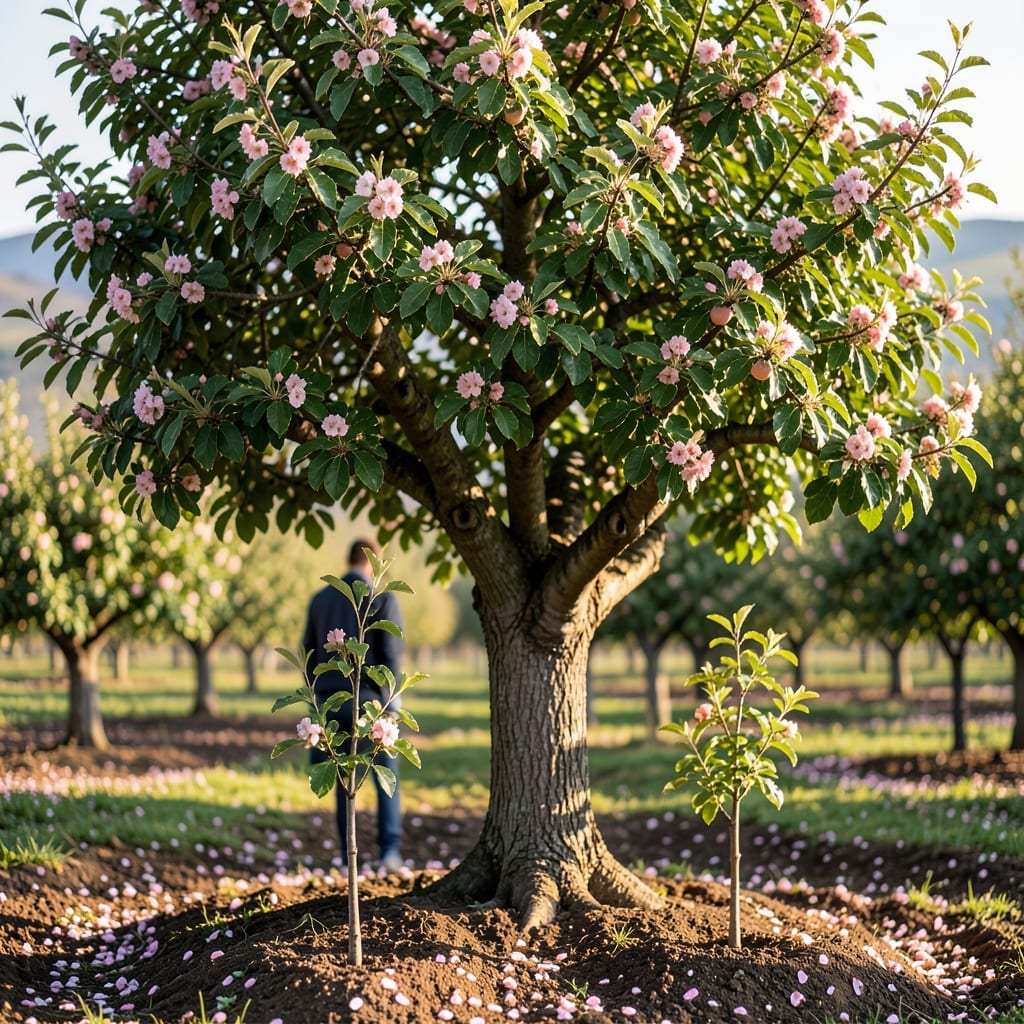
Apple tree height by variety: dwarf to standard to giant sizes
Apple trees come in a stunning range of heights, from 6-foot dwarfs that fit in containers to 40-foot giants that dwarf your two-story home. The variety you choose determines not just height but also fruit production, care needs, and even your backyard layout. Let’s break down the height spectrum so you can pick the perfect apple tree for your space.
First, understand that apple tree height is categorized into four main groups: dwarf, semi-dwarf, standard, and giant. Each has distinct mature heights and care requirements. For example, a dwarf apple tree like 'Columnar' stays under 10 feet, while a standard tree like 'Granny Smith' can soar to 30 feet. Your choice impacts everything from pruning to harvest access.
The summary-table below compares popular apple tree varieties by height, ideal growing conditions, and care tips. This will help you visualize which size fits your yard—or even a balcony! Whether you're dreaming of a backyard orchard or a patio-sized tree, the right variety makes all the difference.
If you’re short on space, dwarf varieties like 'Red River' or 'Centennial' are game-changers. These columnar apple trees grow vertically like a shrub, reaching only 6–10 feet tall while producing hundreds of apples annually. They’re perfect for balconies, patios, or even large pots—just ensure they get full sun and well-draining soil.
For traditional backyard orchards, semi-dwarf trees like 'Gala' or 'Fuji' strike a balance. They mature at 12–18 feet, making them manageable for pruning and harvesting while still yielding abundant fruit. These varieties thrive in USDA Zones 5–8 and require annual pruning to maintain shape and encourage airflow, which reduces disease risk.
Standard apple trees, such as 'Granny Smith' or 'Honeycrisp,' are the classic choice for large properties. These trees can grow 20–40 feet tall and need ample space—think 20–30 feet between trees for proper airflow and sunlight. Their height makes them ideal for shade trees as well as fruit production, but they demand regular pruning to control size and shape.
Lastly, if you’re aiming for a <
Apple tree height by variety: dwarf to standard to giant sizes
Apple trees come in a stunning range of heights, from compact dwarfs perfect for containers to towering standards that dominate the landscape. The variety you choose determines not just how tall your tree will grow, but also its fruit production, maintenance needs, and even your harvesting ease. Let’s break down the height spectrum so you can pick the perfect match for your space.
First, understand that rootstock plays a huge role. Dwarf varieties are grafted onto stunted rootstocks like M.9 or B.9, while standard trees use seedling rootstocks that encourage natural growth. Semi-dwarf trees strike a balance, using rootstocks like M.7 or MM.106 to stay manageable while still reaching impressive heights.
For small spaces, dwarf varieties like 'Honeycrisp' on M.9 rootstock stay under 8 feet, making them ideal for patio planters or balcony gardens. Meanwhile, standard varieties like 'Golden Delicious' can soar to 30–40 feet, requiring ample yard space and regular pruning to maintain health and fruit accessibility.
Pro tip: If you love the idea of a tall apple tree but have limited space, consider espalier training. This technique flattens the tree against a fence or wall, keeping it narrow while still allowing it to grow 10–15 feet tall. Varieties like 'Columnar apples' are naturally narrow and upright, perfect for this method.
Remember, soil quality and climate also influence height. Trees in rich, well-draining soil with full sun tend to grow taller and produce more fruit. In cooler climates (USDA Zones 4–6), standard varieties thrive, while warmer zones (7–9) may benefit from dwarf or semi-dwarf types to avoid stress from heat.
No matter which variety you choose, pruning is key to controlling height and encouraging fruit-bearing branches. We’ll dive deeper into pruning techniques in the next section—stay tuned to learn how to shape your tree for optimal growth and bountiful harvests! 🌳