
Trees
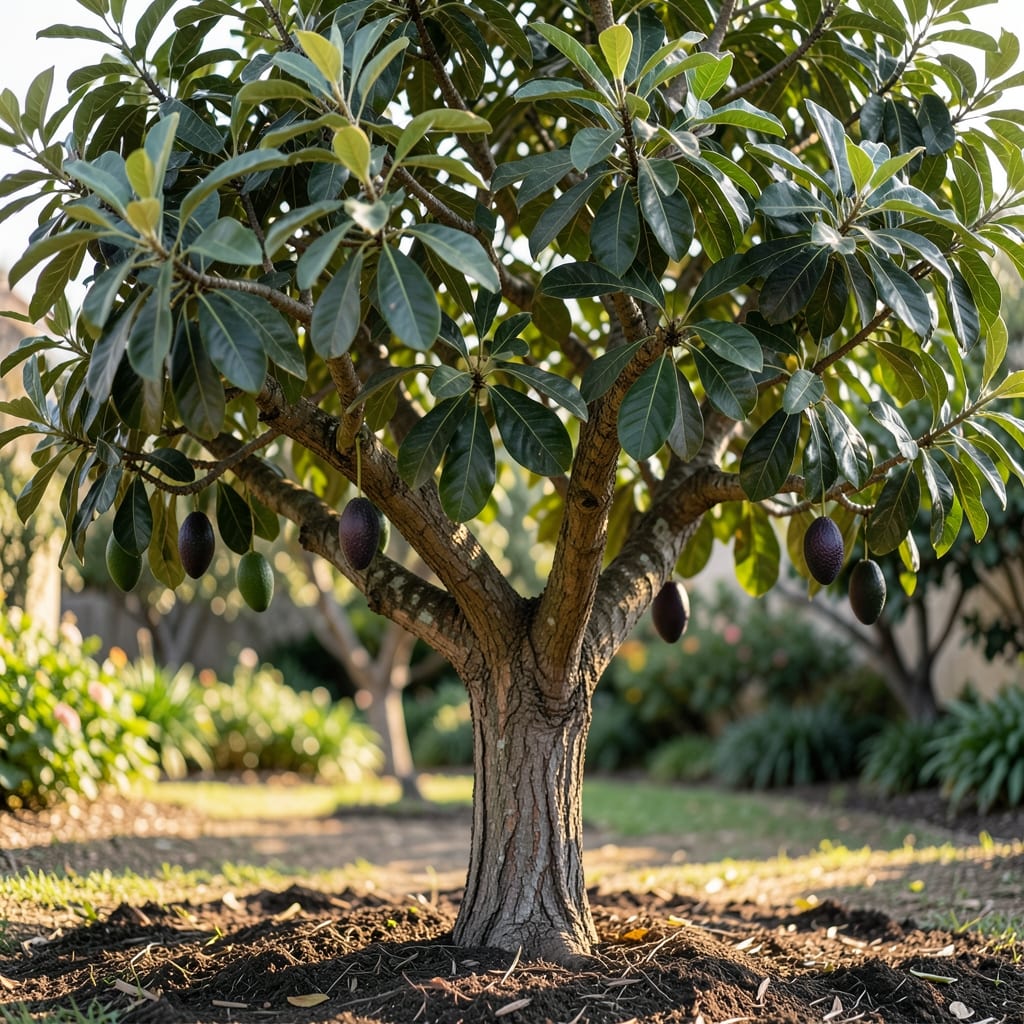
If you’ve ever wondered how tall can an avocado tree grow, the answer might surprise you—especially when you consider the dramatic difference between a wild, unpruned specimen and a carefully maintained dwarf variety. Picture this: a towering 🥑 tree reaching 80 feet in tropical climates, casting shade over your entire backyard, versus a compact container plant that fits neatly on your patio. The height isn’t just about genetics; it’s a mix of variety, climate, and the pruning choices you make.
For most gardeners, the question isn’t just about size—it’s about balancing ambition with practicality. A standard Hass avocado tree, for example, can shoot up to 60 feet if left to its own devices, while dwarf varieties like Wurtz stay manageable at 10-15 feet. That’s the beauty of avocados: they adapt to your space, whether you’re dreaming of a backyard orchard or just want a lush indoor plant. But here’s the catch—without proper care, even a dwarf tree can outgrow its welcome.
What if I told you that pruning isn’t just about keeping your tree in check? It’s also about unlocking better fruit production and healthier growth. The right techniques can transform a wild, unruly giant into a well-shaped, productive tree—no matter your space or climate. Whether you’re in USDA zones 10-11 or growing indoors in colder regions, the secrets to controlling height start with understanding your tree’s needs.
In this guide, I’ll break down everything you need to know: from the fastest-growing varieties to the pruning steps that keep your 🥑 tree at your desired height. Ready to turn that tiny seedling into the perfect-sized tree for your home? Let’s get started.


Natural height of avocado trees by variety: from dwarf to giant
Avocado trees are famous for their dramatic size differences—some varieties stretch toward the sky like skyscrapers, while others stay compact enough for a patio. The natural height of an avocado tree depends entirely on its genetics, variety, and growing conditions. In tropical climates, a standard Hass avocado can reach an astonishing 60-80 feet, while dwarf varieties like Wurtz max out at just 10-15 feet. That’s a difference of over 65 feet—all from the same plant family!
Climate plays a huge role too. Trees in USDA zones 10-11 grow faster and taller due to year-round warmth, while those in cooler zones (or containers) stay smaller. Even soil quality matters—a nutrient-rich, well-draining mix fuels rapid growth, while poor soil slows it down. If you’re dreaming of a backyard orchard, understanding these factors will help you pick the perfect variety for your space.
Here’s the kicker: pruning can shrink or stretch a tree’s height by 30-50%. A wild, unpruned tree might become a 70-foot monster, but with regular trimming, you can keep it at a manageable 20-30 feet. The key is choosing the right variety for your goals—whether that’s a towering shade tree or a compact indoor plant.
🥑 Avocado Tree Height Comparison by Variety
| Variety | Mature Height (Outdoor) | Dwarf Height (Container) | Fruiting Age | Best For |
|---|---|---|---|---|
| Hass | 60-80 ft | 15-20 ft (grafted) | 5-7 years | Backyard orchards, commercial |
| Fuerte | 50-70 ft | 12-18 ft (grafted) | 4-6 years | Large properties, shade trees |
| Bacon | 40-60 ft | 10-15 ft (grafted) | 6-8 years | Moderate climates, containers |
| Wurtz (Dwarf) | 10-15 ft | 8-12 ft (container) | 3-5 years | Patios, balconies, indoors |
| Mexican (Dwarf) | 12-18 ft | 10-14 ft (container) | 4-6 years | Small spaces, urban gardens |
⚠️ Note: Heights vary by climate, pruning, and soil quality. Container sizes limit root growth, keeping trees smaller.
If you’re growing avocados in containers or indoors, dwarf varieties like Wurtz or Mexican are your best bet. These stay under 15 feet even with minimal pruning, making them perfect for apartments or small yards. But here’s a pro tip: even standard varieties can be kept small with aggressive pruning—think of it like training a puppy. The earlier you start, the easier it is to control height.
For those in tropical zones, the sky’s the limit—literally. A Hass avocado in ideal conditions can grow 3 feet per year in its first decade. That’s why many commercial groves use semi-dwarf varieties (15-25 feet) to balance fruit production with manageable height. The trade-off? They take longer to bear fruit but yield more consistently.
Soil drainage is non-negotiable for tall growth. Avocados hate soggy roots, which can stunt height or even kill the tree. Amend your soil with perlite or sand to mimic their native well-draining environments. In containers, use a mix of potting soil, compost, and orchid bark to prevent compaction. Without proper drainage, even a dwarf variety can struggle to reach its potential height.
Light is another game-changer. Avocados crave full sun (6+ hours daily), but too much intense heat can stress the tree, slowing growth. In hot climates, provide afternoon shade to keep your tree thriving without sacrificing height. Indoor growers should place their trees near south-facing windows or use grow lights for 12+ hours a day to mimic outdoor conditions.
Ready to pick your perfect avocado? Start by matching your space and climate to the right variety. A 10-foot dwarf might be ideal for your balcony, while a 60-foot Hass could become the centerpiece of your backyard. Just remember: the right pruning can turn any variety into your dream-sized tree.
How pruning affects avocado tree height: step-by-step techniques
Pruning isn’t just about keeping your avocado tree from becoming a backyard giant—it’s the key to shaping its growth, boosting fruit production, and maintaining its health. Without proper pruning, even a dwarf variety can grow unruly, while strategic cuts can transform a wild 80-foot monster into a manageable 10-foot patio tree. The right techniques encourage stronger branches, better airflow, and more avocado fruit—not to mention the satisfaction of a well-shaped tree.
Think of pruning as a conversation with your tree. You’re guiding its energy where you want it—whether that’s upward growth, outward branches, or a compact shape. For example, selective pruning targets specific branches to control height, while crown thinning opens up the canopy for sunlight and air circulation. And if you’re growing indoors or in a small space, heading back (cutting back the tips of branches) can keep your tree at a manageable height while promoting bushier growth.
Timing is everything when it comes to pruning. The best time to prune your avocado tree is during its dormant season, typically late winter or early spring, just before new growth begins. This gives your tree time to heal and prepares it for the growing season ahead. Avoid heavy pruning in late summer or fall, as this can stress the tree and leave it vulnerable to pests or disease. For container-grown trees, you can prune lightly throughout the year, but always avoid cutting into old wood—avocados don’t regrow branches from old cuts.
Step-by-Step Pruning Guide for Avocado Trees
- Step 1: Assess the Tree Walk around your tree and identify branches that are crossing, rubbing, or growing inward. These are your first targets for removal, as they can cause damage or disease. Also, look for dead, diseased, or weak branches—these should be pruned immediately to prevent further issues.
- Step 2: Remove Suckers and Water Sprouts Suckers are fast-growing shoots that emerge from the base of the tree or along the trunk. Water sprouts grow vertically from the main branches. Remove these aggressively, as they compete with your tree for nutrients and can make it look unkempt. Use clean, sharp pruning shears or a saw for thicker stems.
- Step 3: Thin the Canopy Selectively remove branches to improve airflow and sunlight penetration. Aim to create an open, vase-like shape. Start from the inside of the tree and work your way out, removing up to 25% of the foliage if needed. This step is crucial for preventing fungal diseases and ensuring even fruit ripening.
- Step 4: Control Height with Heading Back To limit height, cut back the tips of the uppermost branches by about 1/3 of their length. This encourages the tree to branch out rather than grow taller. For a more dramatic height reduction, you can make the cut just above a bud or lateral branch. Avoid cutting back into old wood, as avocados may not regrow from these cuts.
- Step 5: Shape the Tree Use your pruning shears to refine the shape of your tree. Whether you prefer a standard shape, a dwarf bush, or a bonsai-style tree, focus on creating a balanced silhouette. For container-grown trees, keep the height in check by pruning the top branches regularly. Remember, avocados respond well to pruning, so don’t be afraid to get creative!
- Step 6: Clean Up and Sterilize After pruning, collect all the debris and dispose of it away from your tree to prevent pests or diseases from taking hold. Sterilize your pruning tools with rubbing alcohol or a bleach solution (1 part bleach to 9 parts water) to avoid spreading pathogens. This step is especially important if your tree has been showing signs of disease.
One common mistake gardeners make is over-pruning, which can stress the tree and reduce fruit production. Avocados are resilient, but they still need a balance of foliage and structure to thrive. Another pitfall is pruning at the wrong time—avoid heavy cuts during hot, dry periods, as this can shock the tree. Instead, plan your pruning sessions for cool, overcast days to minimize stress.
If you’re growing a dwarf avocado variety like Wurtz or Mexican, pruning becomes even more critical. These varieties are genetically predisposed to stay small, but without regular maintenance, they can still outgrow their containers. For container trees, prune lightly every 4-6 weeks during the growing season to encourage compact growth. And don’t forget to rotate your container regularly so all sides of the tree get equal sunlight—this helps maintain a balanced shape.
With the right pruning techniques, you can keep your avocado tree at any height you desire—whether that’s a towering backyard centerpiece or a tiny tabletop bonsai. The key is consistency, patience, and a little bit of creativity. Start with these steps, and you’ll be well on your way to a healthy, productive tree that fits perfectly in your space. Happy pruning! ✂️🌿