
How To
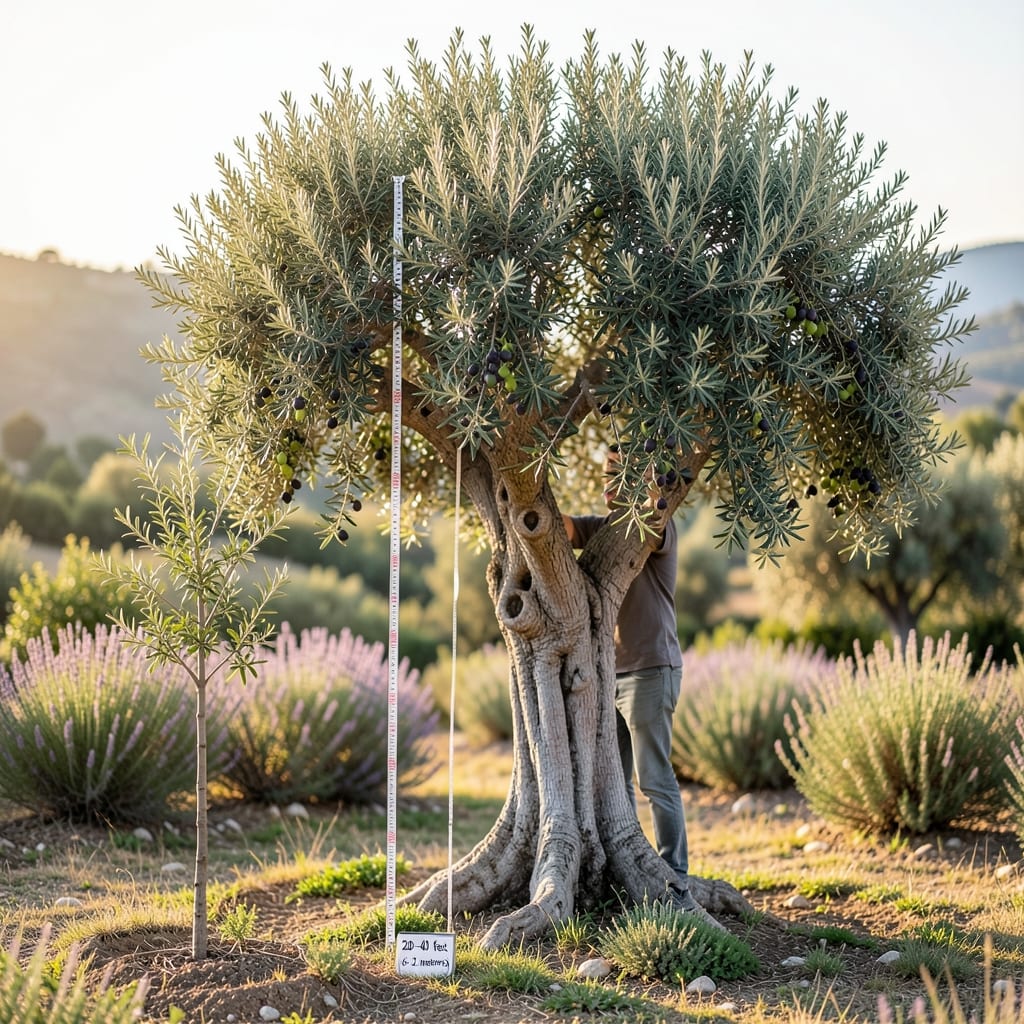
If you've ever wondered how tall an olive tree can grow 🫒, the answer might surprise you—some varieties stretch toward the sky like ancient sentinels, while others stay neatly contained in your backyard. The height of your olive tree isn't just about space; it directly impacts everything from fruit production to pruning efforts, making it the key factor in planning your garden layout.
Picture this: a 50-foot-tall olive tree casting shade over your patio or a compact 6-foot dwarf variety perched on your balcony. The difference comes down to variety, climate, and how you care for it. Whether you're dreaming of a Mediterranean grove or a small urban plot, understanding these factors will help you choose the perfect tree for your needs.
In Mediterranean climates (USDA Zone 9b), where olive trees thrive, some standard varieties can reach heights of 60-80 feet—taller than most two-story homes! But with the right pruning techniques and dwarf varieties, you can keep your tree at a manageable 8-12 feet**. The secret lies in knowing which variety suits your space and how to guide its growth from the start.
Ready to discover how to control your olive tree's height, from selecting the right variety to mastering pruning? Let’s break down everything you need to know to grow the perfect-sized tree for your garden—whether you want a towering giant or a tidy little companion. Your future harvest (and your neighbors!) will thank you.

Olive tree height by variety: dwarf to giant growth potential
Choosing the right olive tree variety is the first step to controlling its height. Some varieties grow like towering giants, while others stay compact enough for containers or small yards. For example, the 'Arbequina' variety typically reaches 15-25 feet at maturity, making it ideal for medium-sized gardens, while the 'Little Ollie' dwarf variety maxes out at a manageable 8-12 feet. The key is matching your space and climate to the tree's natural growth habits.
If you live in a Mediterranean climate (USDA Zones 8-10), you’ll find the most dramatic height variations. Standard varieties like 'Manzanillo' or 'Mission' can soar to 50-80 feet, creating a stunning focal point but requiring ample space. Meanwhile, semi-dwarf varieties like 'Frantoio' grow to 20-30 feet, striking a balance between size and fruit production.
Here’s how to pick the perfect variety for your needs: start by measuring your available space, then research which varieties thrive in your local climate. For instance, 'Arbequina' is cold-hardy enough for Zone 7 with protection, while 'Leccino' prefers warmer climates and can reach 40 feet if unpruned. Your choice will shape not just the tree’s height, but also its fruit yield and maintenance needs.
🌱 Olive Tree Variety Height Comparison
| Variety | Mature Height (ft) | Best For | Climate Zones |
|---|---|---|---|
| Little Ollie (Dwarf) | 8-12 | Containers, small yards | 8-10 |
| Arbequina | 15-25 | Medium gardens, oil production | 7-10 (with protection) |
| Frantoio | 20-30 | Large yards, high oil yield | 8-10 |
| Manzanillo | 30-50 | Rural properties, dual-purpose | 9-11 |
| Leccino | 40-60 | Large estates, oil production | 9-11 |
| Mission | 50-80 | Vintage groves, large landscapes | 9-11 |
💡 Pro Tip: Always check local nursery recommendations for cold-hardy varieties if you're outside Zones 8-10.
Dwarf varieties like 'Little Ollie' are perfect for urban gardeners or those with limited space. These trees are grafted onto dwarfing rootstock, which naturally limits their height while maintaining fruit production. They’re also ideal for container growing, allowing you to move them to optimize sunlight or protect them from frost. Just remember, even dwarf varieties need 6+ hours of sun daily to thrive.
For those with ample space, standard varieties offer the most dramatic growth. A 50-foot 'Mission' olive tree isn’t just a stunning landscape feature—it can produce hundreds of pounds of olives annually. However, these giants require regular pruning to manage their size and shape, especially in residential areas. If you’re planting near power lines or buildings, always check local regulations on tree height limits.
Another factor to consider is the tree’s growth rate. Fast-growing varieties like 'Arbequina' can add 1-2 feet per year in ideal conditions, while slower growers like 'Frantoio' might only gain 6-12 inches annually. This affects how quickly you’ll need to prune or adjust your garden layout. For example, a 20-foot tree might take 10-15 years to reach maturity if grown from a seedling, compared to just 3-5 years for a grafted dwarf variety.
If you’re torn between varieties, consider your primary goal: fruit production, ornamental value, or shade provision. For example, 'Manzanillo' is a dual-purpose variety
How climate affects olive tree height: coastal vs. continental growth patterns
Climate plays a huge role in determining how tall your olive tree can grow 🌳. In their native Mediterranean climate, olive trees thrive under warm, dry conditions with mild winters—perfect for reaching their full 60-80 foot potential. But move them outside this zone, and growth patterns shift dramatically, sometimes halting entirely.
For example, in coastal regions like California or Spain, olive trees often grow taller due to consistent moisture and moderate temperatures. The cool ocean breezes reduce heat stress, allowing them to focus energy on vertical growth. Meanwhile, in continental climates with hot summers and cold winters, trees may stay shorter—sometimes as low as 15-20 feet—because frost and drought limit their growth cycles.
Here’s how key climate factors influence your olive tree’s height:
If you’re in a cooler climate (like Zone 7 or colder), your olive tree may never reach its full height—but with proper care, you can still grow a healthy, productive tree. For instance, the 'Arbequina' variety thrives in milder zones and stays compact at 12-15 feet, making it ideal for northern gardens.
In arid regions, like parts of Arizona or Australia, olive trees grow slower due to water stress but can still reach 20-30 feet with deep, infrequent watering. The key is mimicking their natural Mediterranean environment: well-draining soil, full sun, and minimal winter chill. Even in less-than-ideal climates, choosing the right variety and providing seasonal adjustments can help you achieve the height you want.
So before you plant, check your local climate data—it’s the best predictor of how tall your olive tree will grow. And if you’re in a tricky zone, don’t worry: with the right techniques, you can still grow a beautiful, fruitful tree—just at a height that fits your space! 🌱