
Size
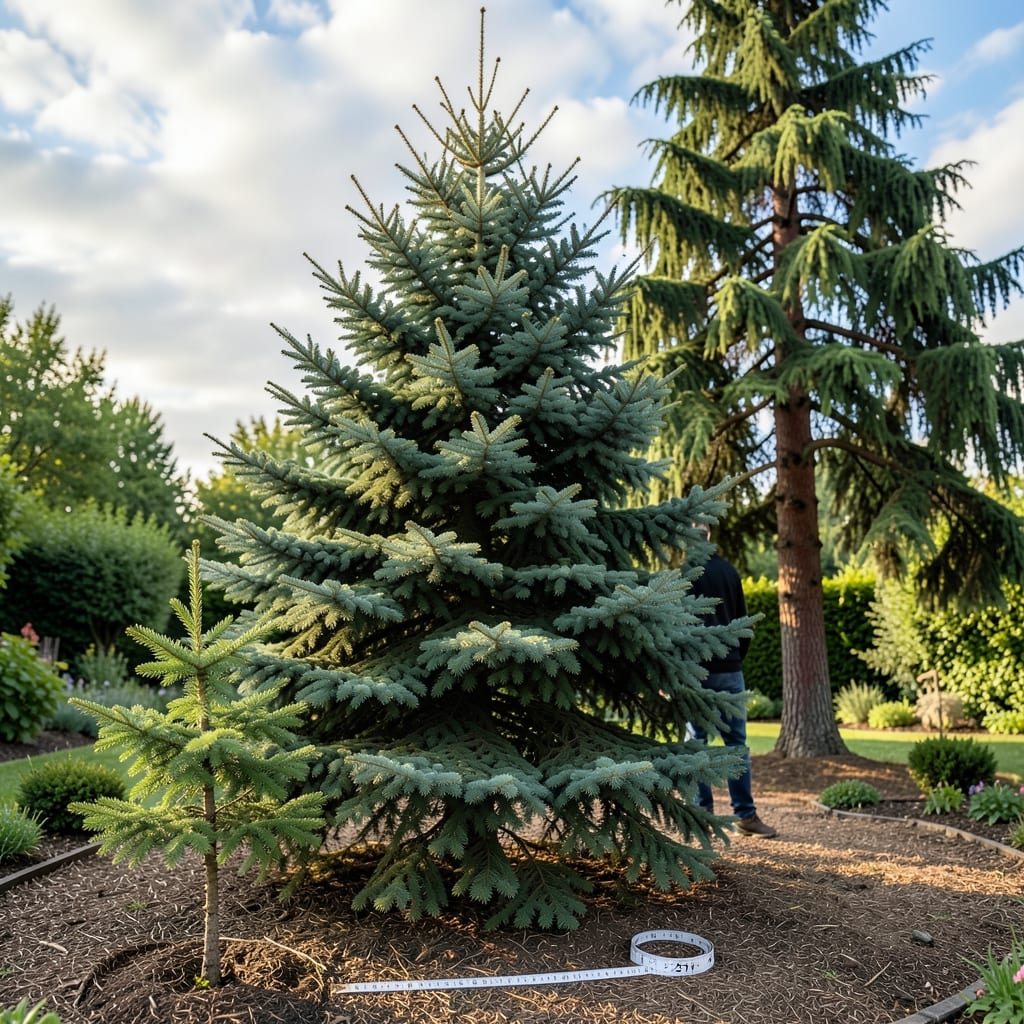
If you're dreaming of a lush, evergreen privacy screen, you might be wondering just how tall your arborvitae 🌲 can grow—because the answer isn't one-size-fits-all. Some varieties will stretch toward the sky like skyscrapers, while others stay cozy and compact, making them perfect for smaller yards.
The height of arborvitae varies wildly depending on the species, with some reaching an impressive 60 feet or more, while others top out at just 3 feet. Whether you're planning a towering hedge or a low-maintenance border, choosing the right variety is the key to getting the look you want without ending up with a tree that outgrows your space.
Growth rates also play a role—some arborvitae varieties grow 3 feet per year, while others take their time, adding only a few inches annually. Soil quality, sunlight exposure, and even pruning habits can all influence how tall your arborvitae becomes, so understanding these factors will help you manage its growth effectively.
Ready to find the perfect fit for your landscape? Let’s break down the mature heights by variety and share expert tips on how to keep your arborvitae at the ideal size—whether that means encouraging it to reach new heights or keeping it neatly trimmed.


Arborvitae mature heights by variety: compact to towering options
Choosing the right arborvitae variety is the first step to controlling its height—because some will dwarf your expectations while others reach for the sky. The American arborvitae (Thuja occidentalis) and Western redcedar (Thuja plicata) are the two main species, each with cultivars ranging from 3-foot shrubs to 60-foot giants. For example, the Emerald Green stays neatly at 12-15 feet, while the Green Giant can soar to 40-60 feet if left unpruned.
Your landscape goals determine the best fit: dwarf varieties like Teddy Bear (3-5 feet) work perfectly for foundation plantings or small yards, while standard varieties like Brabant (30-40 feet) create dramatic privacy screens. Even within species, growth habits differ—some grow 3 feet per year, while others take decades to mature.
Here’s a quick guide to help you visualize which arborvitae will thrive in your space, from backyard borders to woodland giants:
| Variety | Mature Height | Growth Rate | Ideal Spacing | Best For |
|---|---|---|---|---|
| Emerald Green | 12-15 ft | 12-18 in/year | 3-4 ft apart | Hedges, borders |
| Teddy Bear | 3-5 ft | 6-12 in/year | 2-3 ft apart | Foundation plants |
| Green Giant | 40-60 ft | 36-48 in/year | 15-20 ft apart | Privacy screens |
| Brabant | 30-40 ft | 24-36 in/year | 10-12 ft apart | Windbreaks |
| American Plum | 10-12 ft | 12-18 in/year | 3-5 ft apart | Small hedges |
| Western Red Cedar (Standard) | 60-80 ft | 24-36 in/year | 20-30 ft apart | Woodland plantings |
When planning your landscape, consider not just the mature height but also the width—some varieties spread 10 feet wide, while others stay narrow. For example, the Emerald Green grows 3-4 feet wide, making it ideal for tight spaces, whereas the Green Giant can spread 10-15 feet, requiring ample room to avoid crowding nearby plants.
Soil quality and sunlight also play a role in height. Arborvitae thrive in well-draining soil with 6+ hours of sunlight, but poor soil or shade can stunt growth. If you’re planting in clay-heavy soil, amend it with compost to encourage faster, healthier growth. Conversely, sandy soil may require more frequent watering to support rapid height increases.
For fast results, opt for Green Giant or Brabant, which can add 3 feet per year in ideal conditions. If you prefer slower growth for easier maintenance, Emerald Green or American Plum are excellent choices, growing just 1-1.5 feet per year. Always check the USDA hardiness zone for your variety—most arborvitae thrive in zones 3-7, but some dwarf varieties extend to zone 8.
Pro tip: If you’re unsure about long-term height, start with a container-grown sapling—you can easily transplant it once you see how it grows in your yard. This gives you flexibility to adjust spacing or pruning as needed.
🌲
Arborvitae mature heights by variety: compact to towering options
Choosing the right arborvitae variety is the first step to controlling its height. Some varieties grow like skyscrapers, while others stay as compact shrubs. For example, the Emerald Green arborvitae tops out at just 3-5 feet, making it perfect for foundation plantings or borders, while the Green Giant can reach an impressive 40-60 feet—taller than most homes!
Your landscape goals will dictate which variety you choose. If you need a privacy screen, consider the American Plum (15-20 feet) or Thuja plicata (30-40 feet). For smaller spaces, dwarf varieties like Teddy Bear (3-4 feet) or Little Giant (8-10 feet) are ideal. Always check the mature height before planting to avoid future headaches.
The growth rate also varies widely. Fast growers like Green Giant can add 3 feet per year, while slower growers like Emerald Green might only gain 6-12 inches annually. This means a 10-foot arborvitae could take 5-10 years to mature, depending on the variety and growing conditions.
| Variety | Mature Height | Growth Rate | Best For |
|---|---|---|---|
| Emerald Green | 3-5 ft | 6-12 in/year | Borders, hedges |
| Teddy Bear | 3-4 ft | 4-6 in/year | Small gardens |
| American Plum | 15-20 ft | 12-18 in/year | Privacy screens |
| Green Giant | 40-60 ft | 36-48 in/year | Large properties |
| Thuja plicata | 30-40 ft | 24-36 in/year | Windbreaks |
Proper spacing is crucial when planting arborvitae. For example, Green Giant needs 15-20 feet of space between plants to avoid overcrowding, while Emerald Green can be planted just 2-3 feet apart for a dense hedge. Always follow the spacing guidelines for your chosen variety to ensure healthy growth and prevent competition for nutrients.
Soil quality and sunlight also play a role in height. Arborvitae thrive in well-draining soil with 6+ hours of sunlight, but they can tolerate partial shade. Poor soil or shady conditions may slow growth, while rich, fertile soil can encourage faster height increases. If your arborvitae isn’t growing as expected, consider amending the soil with compost or organic matter.
Ready to pick the perfect arborvitae for your space? Start by matching the mature height and growth rate to your landscape needs, and don’t forget to plan for proper spacing and pruning to keep it looking its best. With the right variety, your arborvitae can be the star of your outdoor space—whether it’s a towering giant or a charming compact shrub! 🌲