
Size
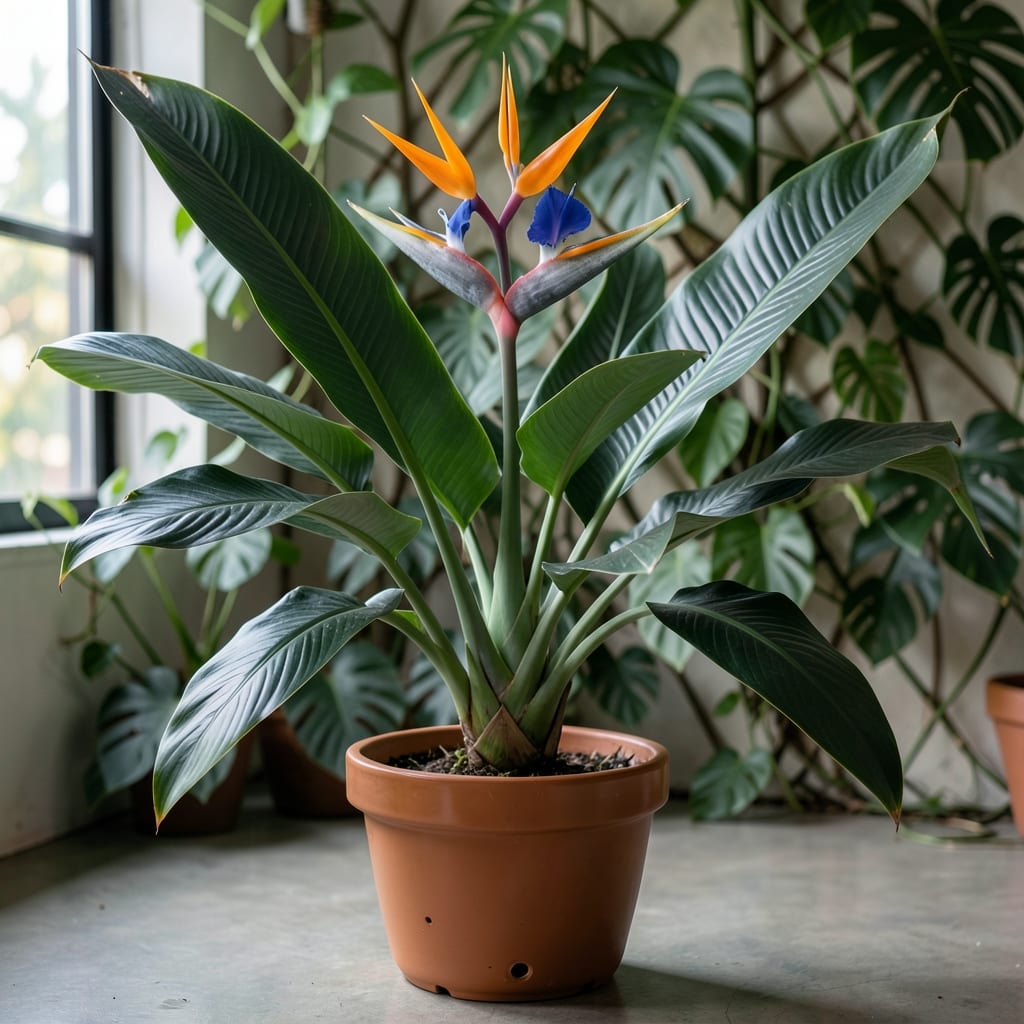
If you're planning your garden and wondering "how tall can bird of paradise grow", you're in for a treat—this stunning tropical plant can become a dramatic focal point. The 🌺 Bird of Paradise isn’t just beautiful; it’s a statement piece that can reach heights of 6 to 12 feet depending on the variety, making it perfect for adding vertical interest to your landscape.
But here’s the thing: not all Bird of Paradise plants grow the same. The classic Strelitzia reginae (Queen Bird of Paradise) tends to stay on the shorter side, typically 6 to 8 feet, while its cousin, the Strelitzia nicolai (White Bird of Paradise), can tower up to 12 feet or more with the right care. If you’re working with limited space, dwarf varieties are also an option, though they’ll still reach 4 to 6 feet at maturity.
So, how do you ensure your Bird of Paradise hits its full potential? It all comes down to a few key factors: sunlight, soil quality, and pruning. These tropical beauties thrive in full sun and well-draining soil, and with the right conditions, they’ll grow faster and stronger. Plus, a little strategic pruning can help manage height and encourage bushier, fuller growth—ideal for smaller gardens or container planting.
Ready to add a touch of drama to your outdoor space? I’ll break down everything you need to know about maximizing your Bird of Paradise’s height, from variety-specific growth expectations to care tips that keep it thriving year after year.


Bird of Paradise height by variety: from compact to towering giants
The bird of paradise plant (Strelitzia reginae) is a showstopper in any garden, but its mature height can vary dramatically depending on the variety. Whether you're planning a small container garden or a tropical backyard oasis, knowing these height ranges will help you choose the perfect plant for your space.
In nature, the Queen Bird of Paradise (Strelitzia reginae) typically reaches 6 to 12 feet tall, while its cousin, the White Bird of Paradise (Strelitzia nicolai), can grow even taller—sometimes exceeding 15 feet in ideal conditions. Even dwarf varieties will surprise you with their growth potential, often reaching 4 to 6 feet if given proper care.
Here’s a quick look at how these varieties compare in terms of height, growth rate, and space needs—so you can plan your garden layout with confidence.
The Queen Bird of Paradise (Strelitzia reginae) is the most popular variety for home gardens, thanks to its vibrant orange and blue blooms and manageable size. In USDA Zones 9–11, it thrives outdoors year-round, while in cooler climates, it’s often grown as a potted plant that can be brought indoors during winter.
If you’re working with limited space, dwarf varieties like 'Mandarin Sun' are perfect for containers or small gardens. These compact plants still produce stunning flowers but stay under 6 feet tall, making them ideal for patios or balconies. Just ensure they get full sun exposure to encourage healthy growth.
For those with larger properties, the White Bird of Paradise (Strelitzia nicolai) is a towering giant that can reach 15 feet or more. This variety is often used for landscape screening or privacy hedges due to its rapid growth and lush foliage. However, its height means it’s best suited for wide-open spaces where it won’t crowd other plants.
When planning your garden, consider not just the mature height but also the growth rate of each variety. Faster-growing types like Strelitzia nicolai will fill out quickly, while slower growers like dwarf hybrids may take a few years to reach their full potential. Pruning and care play a huge role in managing height—more on that in the next section!
🌺
Pruning and care tips to control Bird of Paradise height
Once you’ve chosen your bird of paradise variety, the next step is managing its height and shape to fit your garden vision. Pruning isn’t just about keeping your plant in check—it’s also a way to encourage bushier growth and more abundant blooms. The key is timing and technique, so let’s dive into how to prune your 🌺 Bird of Paradise for optimal height control.
Pruning should always be done in late winter or early spring, just as new growth begins. This timing allows the plant to recover quickly and enter the growing season strong. Avoid pruning in fall or winter, as this can stress the plant and limit its ability to bloom the following year. Use sharp, sterilized pruning shears to make clean cuts just above a leaf node or branch junction.
Here’s a step-by-step guide to pruning your bird of paradise for height control and better shape:
- 1 Identify Dead or Damaged Leaves: Start by removing any yellow, brown, or wilted leaves from the base of the plant. These can harbor pests or diseases and detract from the plant’s overall health.
- 2 Trim Tall Stems for Height Control: If your plant is growing too tall, select 1-2 of the tallest stems and cut them back to about 1/3 of their height. This encourages the plant to branch out and produce more side shoots.
- 3 Encourage Bushier Growth: To promote a fuller, bushier plant, cut back the tallest stems to just above a leaf node. This signals the plant to grow new branches from that point, creating a more compact shape.
- 4 Remove Old Flower Stems: After blooming, deadhead spent flowers by cutting the stem back to the base. This redirects the plant’s energy toward new growth and future blooms.
- 5 Fertilize After Pruning: Apply a balanced fertilizer (6-6-6 NPK) to support new growth. Water deeply to help the plant recover and establish fresh shoots.
For container-grown bird of paradise plants, pruning is even more critical to prevent the plant from becoming top-heavy or outgrowing its pot. If your plant is root-bound, consider repotting it into a larger container after pruning to give it room to grow. Use a well-draining potting mix with added perlite or sand to keep roots healthy.
One common mistake is over-pruning, which can stress the plant and reduce flowering. Limit yourself to 10-20% of the plant’s foliage in a single session. If you’re aiming for a shorter, more compact plant, focus on trimming the tallest stems while leaving the shorter ones intact to maintain the plant’s structure.
With the right pruning techniques, your bird of paradise will thrive, producing vibrant blooms and lush foliage while staying within your desired height range. Just remember: consistency is key—regular pruning keeps your plant looking its best and encourages healthy, balanced growth. ✂️