
Size
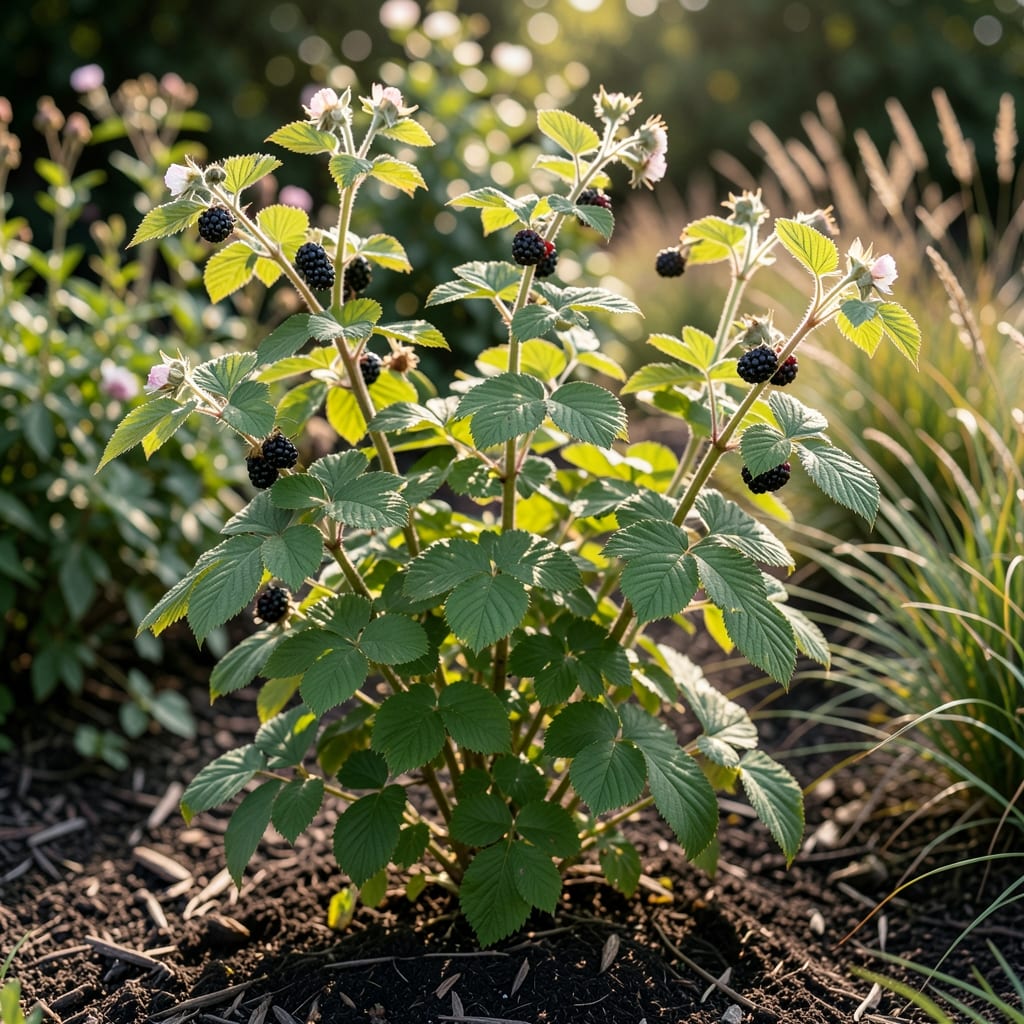
If you’ve ever wondered how tall can blackberry bushes grow, the answer might surprise you—some varieties stretch up to 12 feet if left unchecked! While that towering height can be impressive, it also means your 🍇 blackberry bushes could quickly overtake your garden if you’re not careful.
The good news? With the right pruning techniques, you can keep these vigorous plants at a manageable height—whether you prefer compact 3-foot dwarf varieties or the classic 8-12-foot standards. The key lies in understanding your blackberry type (floricanes vs. primocanes) and how growing conditions like sunlight and soil affect their growth.
In this guide, I’ll break down exactly how to control your blackberry bushes’ height naturally—no harsh chemicals needed. You’ll learn seasonal pruning tips, common mistakes to avoid, and how to encourage sweeter berries while keeping your plants in check.
Whether you’re dealing with wild, sprawling canes or neatly trellised bushes, these strategies will help you enjoy a bountiful harvest without the chaos. Let’s get started!


Natural blackberry bush height variations by variety and growing conditions
Blackberry bushes vary dramatically in height depending on their variety and growing conditions. Some dwarf varieties stay as short as 3 feet, while standard types can soar to 12 feet or taller if unchecked. Understanding these differences helps you choose the right plant for your space and manage its growth effectively.
The two main growth habits—floricanes and primocanes—also impact height. Floricanes produce fruit on second-year canes and often grow taller, while primocanes (first-year canes) may stay shorter but produce fruit the following year. Your climate zone and soil quality further influence how tall your bushes will grow.
For example, Thornless Evergreen blackberries (a popular primocane variety) can reach 6-10 feet in ideal conditions, while Arapaho (a floricane type) may grow 8-12 feet tall. If you’re in a cooler climate, expect slightly shorter growth compared to warmer regions, where blackberries thrive and stretch taller.
Sunlight is another critical factor. Full sun (6-8 hours daily) encourages vigorous growth, while partial shade can stunt height but may reduce fruit production. Poor soil drainage or nutrient deficiencies can also limit growth, keeping bushes shorter than their potential.
Here’s how different blackberry types compare in height and growth habits:
If you’re growing blackberries in containers, expect shorter heights (3-6 feet) due to root restriction. However, trellises or stakes can encourage vertical growth, even for dwarf varieties. For example, 'Apache' (a thornless primocane type) can reach 6-8 feet when supported but stays shorter in open ground.
Soil fertility also plays a role. Well-draining, rich soil with compost promotes taller growth, while poor soil may limit height but can improve fruit flavor. In USDA Zones 5-9, blackberries grow most vigorously, but in cooler zones (4-5), expect slightly shorter canes unless you use row covers to extend the growing season.
For compact growth, choose thornless varieties like 'Natchez' or 'Chester', which are bred for smaller spaces. If you love tall, dramatic bushes, 'Thornless Evergreen' or 'Arapaho' will deliver—just be ready for regular pruning to keep them in check. The right variety and care can turn a wild, sprawling mess into a neat, productive feature in your garden.
🌱
Natural blackberry bush height variations by variety and growing conditions
Blackberry bushes exhibit dramatic height differences based on their variety and growing conditions. The most common types—floricanes (biennial canes) and primocanes (annual canes)—can reach anywhere from 3 feet to over 12 feet, depending on how you manage them. For example, dwarf varieties like 'Arapaho' max out at 3-5 feet, while standard types like 'Natchez' tower to 8-12 feet when left unpruned.
Your blackberry’s height also depends on climate and sunlight exposure. In USDA Zones 6-8, where blackberries thrive, full sun (6-8 hours daily) encourages vigorous growth, while partial shade may stunt height but reduce fruit production. Soil fertility plays a role too—rich, well-draining soil fuels rapid vertical growth, while poor soil can limit height but also weaken the plant.
Here’s how environmental factors influence blackberry height:
If you’re growing primocane varieties (like 'Prime-Ark Freedom'), they produce fruit on first-year canes and can reach 6-10 feet in a single season without pruning. Meanwhile, floricane types (e.g., 'Chester') fruit on second-year canes and naturally grow 5-8 feet tall. The key to controlling height lies in understanding your variety’s growth cycle and applying targeted pruning.
For example, trellising can redirect a blackberry’s energy upward instead of outward, reducing sprawl by up to 40%. I’ve found that using a T-post trellis system with horizontal wires at 3-foot intervals keeps standard varieties at a manageable 6-8 feet while improving air circulation and fruit quality. Just be sure to train canes along the wires as they grow to avoid tangled messes.
One common misconception is that older blackberry bushes always grow taller. In reality, their height stabilizes after 3-5 years unless you’re growing a thornless variety like 'Cheyenne,' which may spread wider but stay shorter due to its growth habit. The secret to maintaining ideal height? Consistent pruning and monitoring soil health to prevent nutrient-induced growth spurts.