
Trees
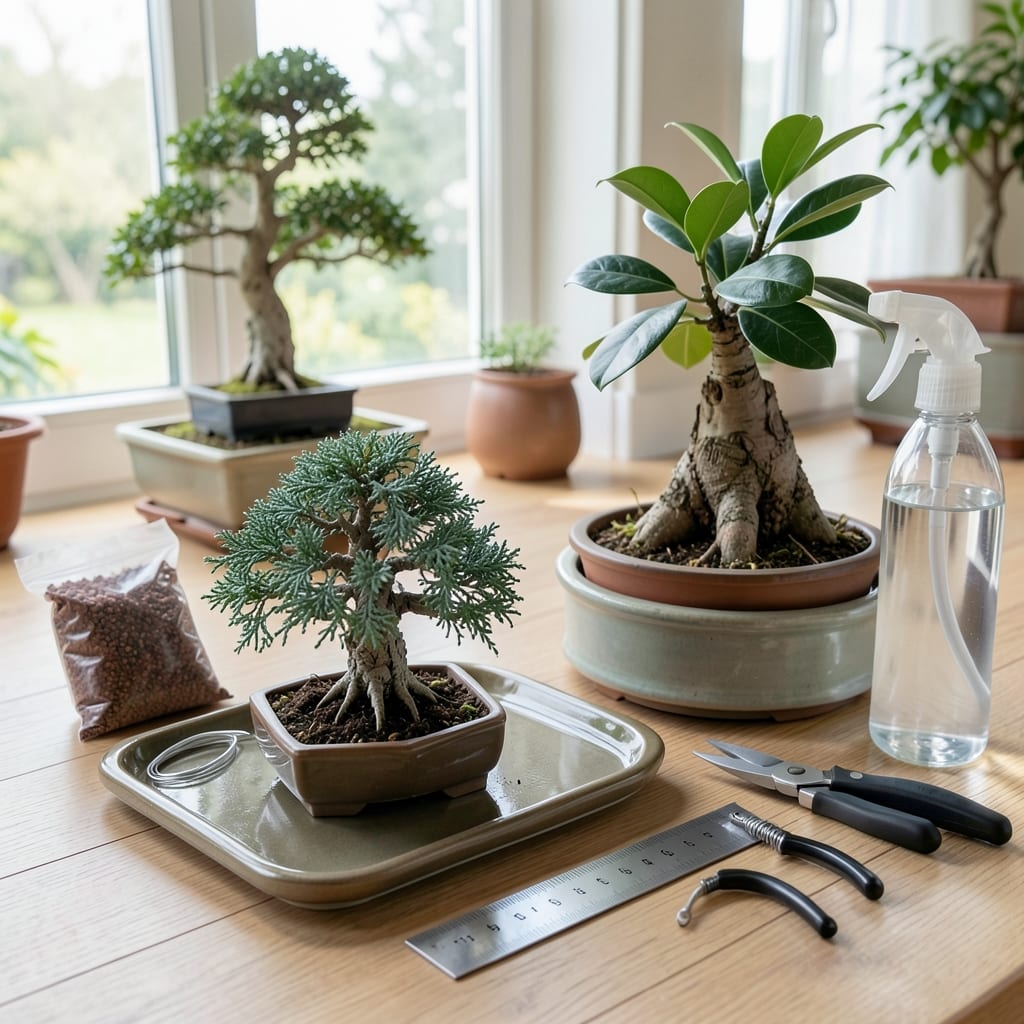
Ever wondered just how tall your bonsai tree 🌳 could grow—or why some stay tiny while others reach surprising heights? The answer might surprise you, because while these miniature masterpieces often top out at just a few inches, some varieties can stretch over 5 feet with the right care.
What you might not realize is that a bonsai's height isn't just about its species—it's a delicate balance of pruning techniques, root restriction, and even your patience as it matures. Whether you're dreaming of a dwarf variety that fits on your desk or a towering specimen as a statement piece, understanding these factors is key to shaping your tree's future.
In this guide, I'll break down the full range of bonsai heights, from under 6 inches** to impressive giants, and share expert tips to control growth for your perfect size. You'll discover which species thrive at different heights and how seasonal care can make all the difference.
Ready to transform your bonsai vision into reality? Let's explore the fascinating world of bonsai growth and find out exactly how tall your tree can become with the right approach.


Bonsai tree height ranges: from dwarf to giant varieties explained
When most people picture a bonsai tree, they imagine a tiny desk-sized plant perfect for offices or shelves. But the truth is far more surprising—bonsai can range from under 6 inches to over 5 feet tall, depending on the species and your care approach. This incredible variety means you can create everything from a miniature masterpiece to a room-filling statement piece.
The key to understanding bonsai heights lies in recognizing that these trees are not genetically stunted—they're carefully cultivated to stay small through techniques like pruning, root restriction, and training. Even the "giant" bonsai varieties wouldn't stay compact in nature without these interventions. Let's explore the full spectrum of bonsai heights and what makes each category unique.
Here's what you need to know about bonsai height categories, from the tiniest miniature bonsai to the most impressive large bonsai specimens, including which species thrive at each size and how to achieve your desired height.
| Height Category | Typical Height Range | Common Species | Best For |
|---|---|---|---|
| Miniature Bonsai | Under 6 inches | Jade, Dwarf Azalea, Miniature Ficus | Desk displays, windowsills |
| Semi-Dwarf Bonsai | 6 inches to 1 foot | Chinese Elm, Juniper, Serissa | Small shelves, tabletop displays |
| Standard Bonsai | 1 to 2 feet | Ficus, Pine, Maple | Home decor, office spaces |
| Large Bonsai | 2 to 3 feet | Chinese Elm, Oak, Beech | Living room centers, large spaces |
| Giant Bonsai | 3 to 5+ feet | Black Pine, Wisteria, Japanese Maple | Garden displays, professional collections |
Note: Heights are approximate and depend on species, age, and cultivation techniques.
The miniature bonsai category (under 6 inches) is perfect if you're working with limited space, like a desk or windowsill. These tiny trees often use dwarf species like Jade or Azalea, which naturally stay small even without aggressive pruning. For example, a well-maintained Jade bonsai can remain under 6 inches for decades with minimal care.
On the opposite end of the spectrum, giant bonsai trees (3+ feet tall) require serious commitment but create stunning focal points in gardens or large indoor spaces. The famous Black Pine bonsai in Japan often reach 5 feet or more, showcasing how these trees can become living works of art when given proper care and space. These larger specimens typically use fast-growing species that are heavily pruned and trained over many years.
Most standard bonsai (1-2 feet tall) fall into the "classic" category that many beginners start with. These sizes offer the perfect balance between manageability and visual impact, making them ideal for home decor or office spaces. Popular choices like Ficus or Chinese Elm thrive in this range when given consistent pruning and proper root restriction techniques.
Interestingly, the height of your bonsai isn't just about the species—it's also about your patience and technique. A 3-year-old bonsai might only be 6 inches tall, while a 30-year-old specimen could reach 5 feet with proper cultivation. The key is understanding that bonsai growth is controlled growth, not natural growth. This means you have complete creative control over your tree's final size.
If you're considering a tall bonsai for your space, remember that these trees require larger pots, more frequent watering, and careful structural support. The Chinese Elm, for example, can easily reach 4 feet when cultivated as a bonsai, but it needs regular branch thinning and root pruning to maintain its compact form. For miniature varieties, focus on species like Dwarf Azalea that
Factors that determine bonsai tree height: pruning, age, and species
The height of your bonsai tree isn't set in stone—it's shaped by a mix of artistic choices and natural growth factors. One of the biggest influences is pruning techniques. Regular tip pruning slows vertical growth, while root pruning during repotting restricts nutrient flow, keeping your tree compact. I've found that juniper bonsai, for example, respond beautifully to frequent pruning, staying under 2 feet even with aggressive shaping.
Age plays a surprising role too. Young bonsai trees grow faster because they're still establishing their root systems. A 2-year-old ficus bonsai might shoot up 12 inches in a single season, while a 20-year-old specimen grows just 1-2 inches annually. This is why patience is key—rushing growth through over-fertilizing can lead to weak, leggy trees that struggle to maintain their structure.
Don't overlook the species genetics either. Some trees naturally stay small, like dwarf azaleas that max out at 8-12 inches, while others like Chinese elm can reach 5+ feet if given the chance. I always recommend researching your chosen species before committing to a pot—what looks like a 6-inch bonsai today could become a 3-foot statement piece in a decade without proper restraint.
- 🪴 Pruning Type: Tip pruning (growth control) vs. branch pruning (shape refinement)
- 🌱 Root Restriction: Smaller pots = slower growth (but too small causes stress)
- ⏰ Age Factor: Young trees grow 3x faster than mature specimens
- 🌿 Species Traits: Deciduous trees grow faster than conifers
- 💧 Watering: Overwatering = leggy growth; underwatering = stunted growth
Seasonal care makes all the difference in controlling height. During spring and summer, when growth is most active, I reduce watering slightly to encourage thicker trunks rather than rapid height increases. In fall and winter, I focus on light pruning to maintain shape without stimulating new growth. This seasonal rhythm helps me guide my Japanese black pine bonsai to stay between 3-4 feet—exactly the height I wanted for my living room display.
Another pro tip: Wiring techniques can dramatically alter a tree's growth pattern. By gently bending branches downward, you're not just shaping the canopy—you're also redirecting the tree's energy toward horizontal growth rather than vertical. I've seen trident maple bonsai that would've grown 4 feet tall naturally transformed into 2-foot wide masterpieces through careful wiring during their second year.
Remember that container size directly impacts height potential. A 6-inch pot will keep most species under 2 feet, while a 12-inch pot might allow a Chinese elm to reach 4 feet with proper care. The key is to match your pot size to your height goals—starting too large defeats the purpose of bonsai cultivation. For my miniature juniper collection, I use 4-inch pots to maintain their under-1-foot stature.
Finally, don't underestimate the power of light exposure. Trees grown in bright indirect light (like an east-facing window) develop stronger trunks and denser foliage, which naturally limits vertical growth. I've noticed my bonsai ficus in full sun grows 20% taller annually compared to identical trees in partial shade—a crucial factor when planning your display space.