
Size
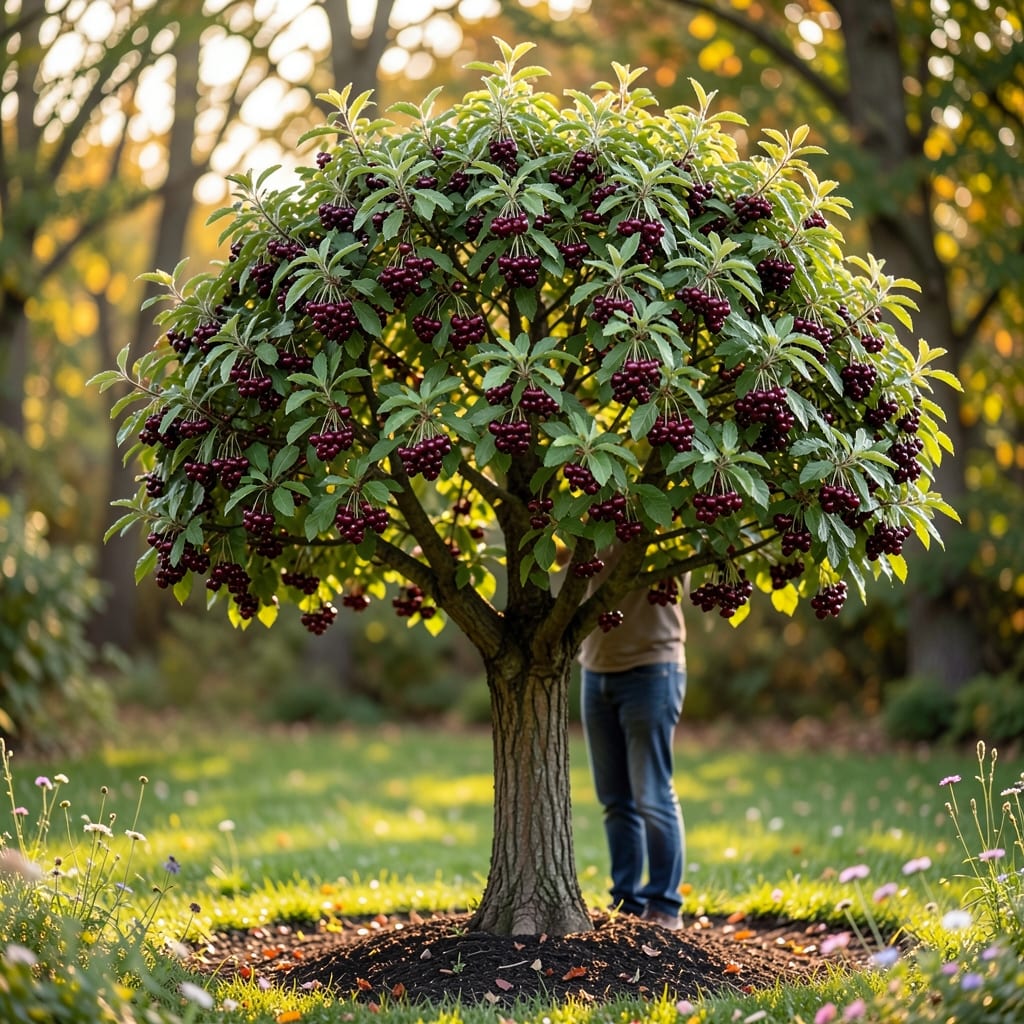
Cherry tree height by variety: from dwarf to massive giants
Cherry trees come in an astonishing range of sizes, from dwarf varieties that fit in containers to towering giants reaching 60 feet or more. The height you can expect depends entirely on the species and cultivar you choose. Understanding these differences helps you select the perfect tree for your space—whether you have a tiny urban patio or a sprawling rural yard.
Sweet cherries (Prunus avium) and sour cherries (Prunus cerasus) are the two main categories, each with dwarf, semi-dwarf, and standard options. Ornamental cherries, like the Kwanzan cherry, add stunning spring blooms but may also grow large. Let’s break down the height ranges so you can make an informed choice.
🍒 Visual Height Comparison:
Dwarf varieties like Stella® sweet cherry are bred to stay under 12 feet, making them ideal for balconies, patios, or small gardens. These trees are grafted onto dwarfing rootstock, which naturally limits their growth. On the other end of the spectrum, Rainier and Bing sweet cherries can grow 40–60 feet tall, requiring ample space and regular pruning to manage.
Sour cherries, like Montmorency, often reach 20–30 feet, while ornamental cherries such as Kwanzan can also grow large, though their stunning spring blooms make them a favorite for landscape design. If you’re unsure which size to choose, consider your available space and whether you prioritize fruit production or aesthetic appeal.
Another key factor is growth rate. Dwarf varieties may take 3–5 years to reach their mature height, while standard trees can grow 2–4 feet per year. This means a 60-foot tree could take 15–20 years to fully mature! Planning ahead ensures your cherry tree has room to thrive without crowding other plants or structures.
For urban gardeners, semi-dwarf varieties like Black Tartarian offer a middle ground, typically reaching 12–18 feet. These trees provide plenty of fruit while fitting comfortably in medium-sized yards. Always check the nursery label for exact height predictions, as growing conditions can influence final size.
Ornamental cherries, while not producing edible fruit, can be just as impressive in height. The Kwanzan cherry, for example, is prized for its pink double blooms in spring and can grow 25–35 feet tall. If you love seasonal color but lack space for a fruiting tree, ornamental varieties are a beautiful alternative.
Remember, the rootstock plays a huge role in determining height. Dwarfing rootstock like Gisela® or Colt can reduce a tree’s height by 50% or more compared to standard rootstock. Always ask your nursery about the rootstock used—this detail can save you from planting a tree that outgrows its space.
🌳 Whether you’re dreaming of a backyard orchard or a container-grown patio tree, choosing the right cherry tree height ensures years of joyful gardening without regrets.
How to choose the right cherry tree size for your space
Selecting the perfect cherry tree height depends on your available space, gardening goals, and long-term maintenance preferences. With varieties ranging from 8-foot dwarfs to 60-foot giants, it’s easy to make a mistake that leads to overgrown trees or disappointing yields. Start by measuring your yard and considering how the tree will interact with nearby structures, power lines, and other plants.
For small urban gardens or balcony gardening, dwarf varieties like Stella® or Compact Stella are ideal—they thrive in containers and stay under 12 feet. These trees are perfect for patio centers or window-side plantings, offering abundant fruit without sacrificing space. Just ensure your container has drainage holes and is at least 24 inches wide to accommodate root growth.
🌿 Quick Size Guide for Your Space:
- 🏡 Tiny Urban Yards (Under 50 sq ft): Dwarf varieties (8–12 ft) in containers or raised beds.
- 🏠 Medium Yards (50–200 sq ft): Semi-dwarf varieties (12–18 ft) like Black Tartarian or Balaton.
- 🏡 Large Backyards (200+ sq ft): Standard varieties (20–60 ft) like Bing or Montmorency.
- 🌳 Rural Properties or Orchards: Full-size trees (30–60 ft) with pruning plans for height control.
- 🏡 Landscaping Focus: Ornamental cherries (25–35 ft) like Kwanzan or Yoshino for seasonal color.
If you’re unsure about long-term growth, opt for semi-dwarf varieties, which strike a balance between fruit production and manageable size. Trees like Black Tartarian or Metheun sour cherry typically reach 12–18 feet, making them versatile for medium-sized yards. Always verify the rootstock—trees grafted onto dwarfing rootstock like Gisela® or Colt will stay significantly smaller than those on standard rootstock.
For large properties, standard varieties like Rainier or Lambert can create a stunning backyard orchard, but they require regular pruning to manage height and shape. Plan for 10–15 feet of clearance around the tree’s mature height to avoid branches scraping roofs or obstructing views. Consider hiring an arborist if your tree exceeds 20 feet, as they have the tools and expertise for safe, high-pruning.
Another critical factor is future growth projections. A 60-foot tree planted today could take 15–20 years to reach maturity. Visualize how the tree will look in 10 or 20 years—will it shade out your vegetable garden? Will it block sunlight for neighboring plants? Sketch a rough outline of your yard and mark where the tree’s canopy will spread at maturity.
🌳 Pro Tip: If space is limited but you love the idea of cherries, consider espaliered trees. This training method flattens the tree against a fence or wall, keeping it under 6–8 feet tall while maximizing fruit production. Varieties like Stella® or Sweetheart are excellent choices for this technique.
Finally, always read nursery labels carefully. Many trees are sold as “dwarf” but may still reach 15–20 feet without proper pruning. Ask about the rootstock and expected mature height before purchasing. With the right variety and planning, you can enjoy cherries for decades without the headaches of an overgrown tree.