
Size
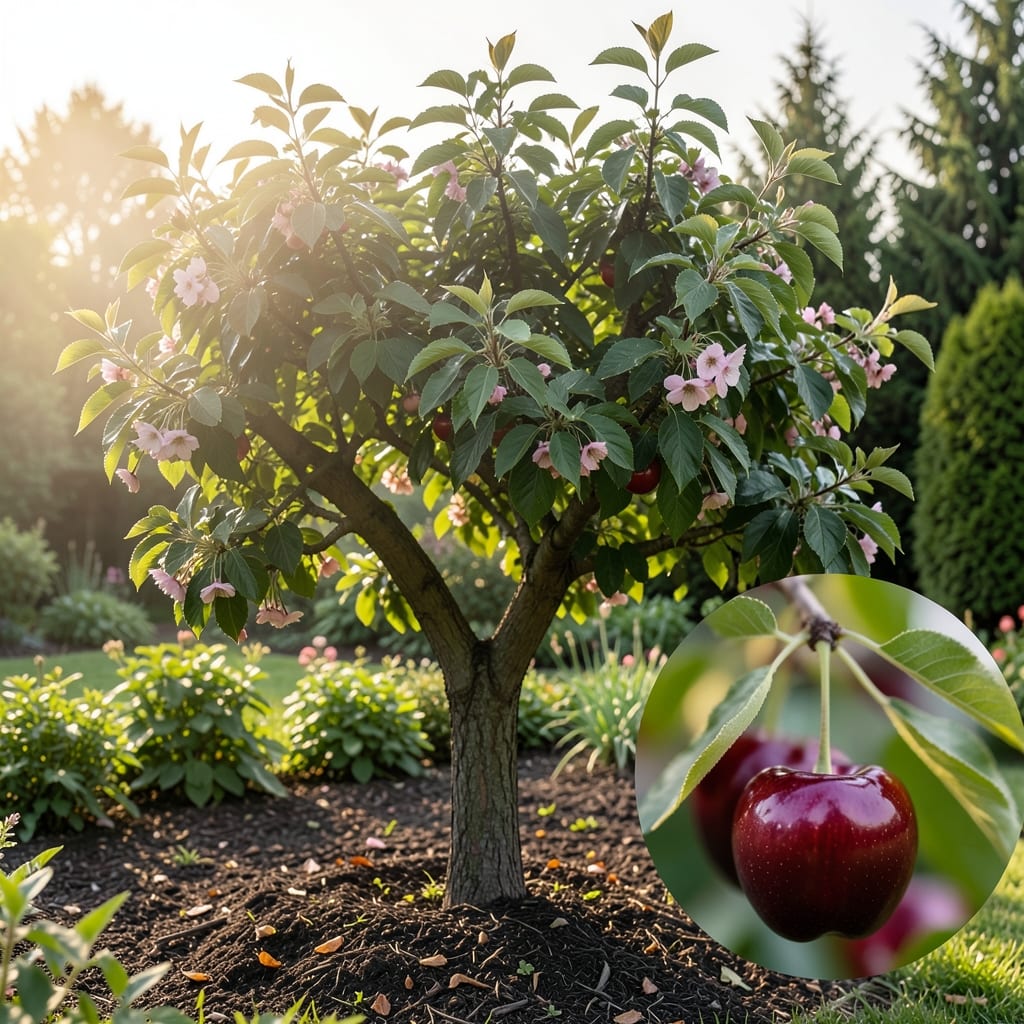
If you're wondering how tall Bing cherry trees grow, the answer might surprise you—these trees can reach heights of 15 to 25 feet at maturity, making them a stunning but space-hungry addition to your yard. 🍒 With their lush canopies and sweet fruit, they’re a favorite among gardeners, but their size requires careful planning to ensure they thrive without crowding other plants or structures.
Understanding the growth habits of Bing cherry trees is key to giving them the room they need. Standard varieties typically grow 1 to 2 feet per year, so they’ll take several years to reach their full height. This means spacing is everything—planting too close can lead to poor air circulation, which invites pests and diseases. If you’re working with limited space, dwarf varieties (which max out around 8 to 12 feet) might be the perfect solution.
But here’s the thing: even with the right spacing, these trees need full sun and regular care to stay healthy and productive. Pruning plays a huge role in managing their size and shape, while proper fertilization and watering ensure they grow strong and fruit abundantly. Whether you’re a seasoned gardener or just starting out, knowing these details will help you make the most of your Bing cherry tree investment.
Ready to learn more? I’ll break down everything you need to know—from choosing the right variety for your space to mastering pruning techniques—so you can enjoy a bountiful harvest without the headaches. Let’s get growing!


Bing cherry tree height by variety: mature sizes and growth rates
When you plant a Bing cherry tree, its mature height will depend largely on the variety you choose. Standard Bing cherry trees typically reach 15 to 25 feet tall at maturity, making them a striking but space-demanding addition to any landscape. These trees grow at a steady pace of about 1 to 2 feet per year, so they’ll take several years to reach their full height. 🌳
If space is a concern, consider dwarf Bing cherry varieties, which max out around 8 to 12 feet tall. These compact trees offer the same delicious fruit but with a fraction of the space requirements. Semi-dwarf varieties bridge the gap, growing to about 12 to 18 feet tall, making them ideal for medium-sized yards. Whether you choose standard, semi-dwarf, or dwarf, each variety has unique growth habits and care needs.
Here’s the key difference: standard Bing cherry trees need plenty of room to spread their branches, while dwarf varieties are perfect for smaller gardens or even large containers. The choice you make will impact not just the height of your tree but also how much fruit it produces and how easy it is to maintain. Understanding these distinctions is the first step to selecting the right tree for your space. 🍒
| Variety | Mature Height | Growth Rate | Space Needs | Pollination |
|---|---|---|---|---|
| Standard Bing | 15–25 ft | 1–2 ft/year | 20–25 ft apart | Needs pollinator |
| Semi-Dwarf Bing | 12–18 ft | 1–1.5 ft/year | 15–20 ft apart | Needs pollinator |
| Dwarf Bing | 8–12 ft | 0.5–1 ft/year | 10–15 ft apart | Self-pollinating |
One important factor to consider is pollination. Most standard and semi-dwarf Bing cherry trees require a second tree for cross-pollination to produce fruit. This means you’ll need to plant at least two trees of compatible varieties within 50 feet of each other to ensure a good harvest. Dwarf varieties, however, are often self-pollinating, making them a great choice for smaller gardens where space is limited. 🌿
Growth rates also vary by variety. Standard Bing cherry trees grow the fastest, reaching their mature height in about 10 to 15 years, while dwarf varieties take slightly longer—around 12 to 18 years—to reach their full size. This slower growth can be an advantage in smaller spaces, as it gives you more time to plan and adjust your garden layout as the tree matures. Patience is key when growing these trees, especially if you’re aiming for a bountiful harvest. ✂️
Another consideration is how these trees spread. Bing cherry trees develop a wide canopy, often reaching 15 to 20 feet in width at maturity. This means you’ll need to account for both height and spread when choosing a planting location. If you’re working with a tight space, a dwarf variety might be your best bet, but even these trees will need enough room to avoid overcrowding. Proper spacing ensures good air circulation, which reduces the risk of fungal diseases and pests. 🌡️
If you’re planning to grow a Bing cherry tree in a container, dwarf varieties are your best option. These trees can thrive in large pots—at least 24 inches in diameter and depth—as long as you provide excellent drainage and regular watering. Container-grown trees may grow slightly slower than those planted in the ground, but they offer the flexibility to move your tree to the perfect spot for sunlight and shade. Just be prepared for more frequent watering and fertilization to keep your tree healthy. 💧
Finally, don’t overlook the impact of pruning on your Bing cherry tree’s height and shape. Regular pruning helps control growth, improves fruit production, and keeps the tree manageable. For standard varieties, pruning in late winter or early spring is essential to remove dead or diseased branches and shape the tree for optimal sunlight exposure. Dwarf varieties may require less aggressive pruning, but they still benefit from occasional trimming to encourage healthy growth and fruit-bearing branches. 🪴
Choosing the right Bing cherry tree variety for your space is all about balancing your garden’s size, sunlight exposure, and long-term maintenance goals. Whether you opt for a towering standard tree or a compact dwarf variety, understanding these growth habits will help you create a thriving, productive cherry tree that fits perfectly into your landscape. 🌱
How to choose the right Bing cherry tree size for your garden space
Selecting the right Bing cherry tree size for your garden starts with understanding your space. Standard varieties can tower up to 25 feet tall, while dwarf varieties stay between 8 to 12 feet. If your yard is small, a dwarf Bing cherry tree might be your best bet—it fits neatly into tight spaces while still producing abundant fruit. 🍒 For larger properties, standard trees offer that classic, towering look and can even provide shade.
Before planting, measure your yard’s dimensions and consider nearby structures. A 15-foot spacing between trees is ideal for standard varieties, while dwarf trees need only 8 to 10 feet of clearance. This spacing ensures proper airflow, reducing the risk of fungal diseases like brown rot, which can devastate your harvest. Always plant near a south-facing wall or fence to maximize sunlight exposure.
Here’s a quick guide to help you decide: if you’re working with limited space, opt for a dwarf variety. If you have room to spare and love the idea of a grand, mature tree, go for a standard Bing cherry. Just remember, taller trees require more pruning and maintenance over time to keep them healthy and productive.
Pruning is another key factor in managing your Bing cherry tree’s height. Young trees benefit from structural pruning to encourage a strong framework, while mature trees need regular thinning to improve airflow and fruit access. If you’re growing a standard variety, plan to prune annually during late winter or early spring before buds swell. For dwarf trees, lighter pruning suffices—focus on removing dead or crossing branches.
Container gardening is an option for dwarf Bing cherry trees, but it comes with challenges. Containers limit root growth, so you’ll need to repot every 2–3 years and use a well-draining potting mix. Choose a container at least 24 inches in diameter and place it in a sunny spot. Just be prepared for smaller fruit yields compared to in-ground planting. 🪴
Finally, think about long-term maintenance. Taller trees require ladders or pruning saws, while dwarf varieties are easier to reach. If you’re not up for regular pruning, consider a semi-dwarf variety—it strikes a balance between manageable size and plentiful harvests. With the right choice, your Bing cherry tree will thrive for decades, rewarding you with juicy, sweet fruit every summer.