
Size
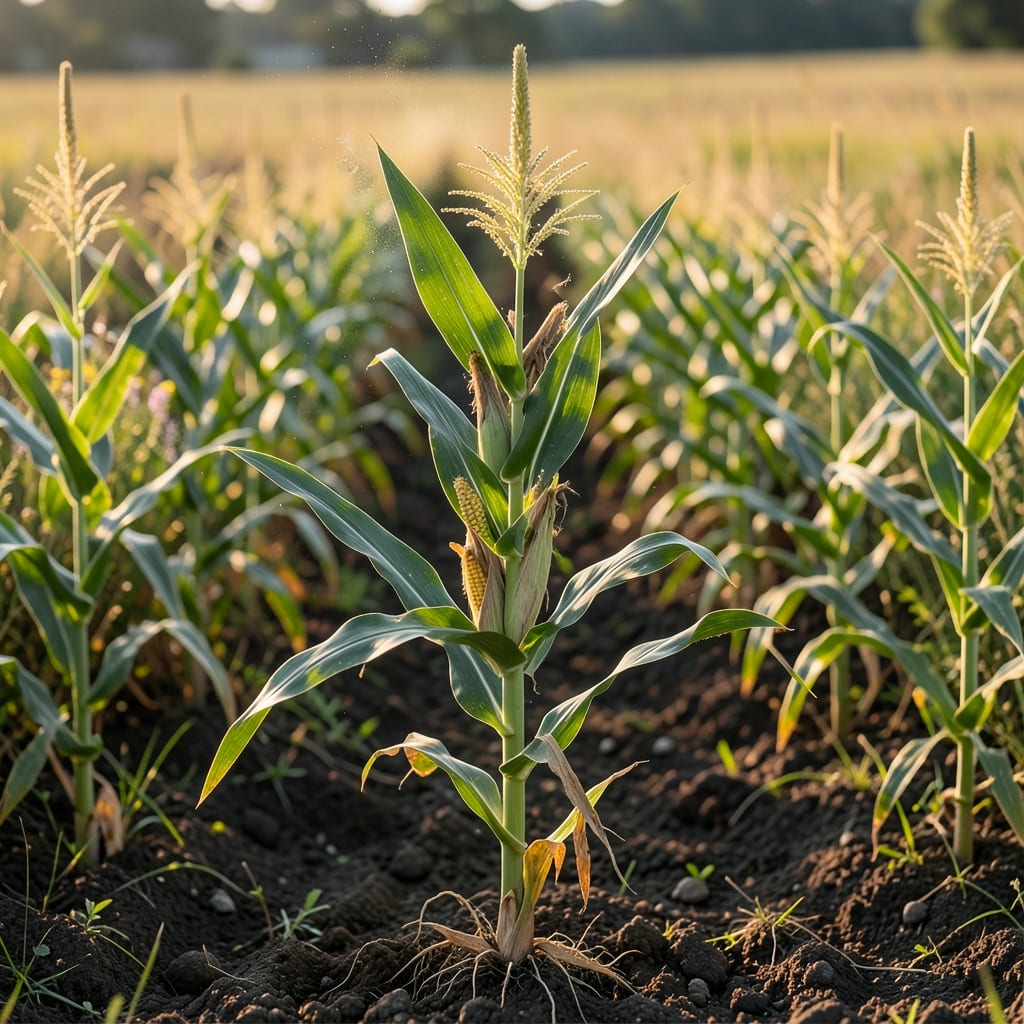
If you've ever wondered just how tall your 🌽 corn plants can grow, you're not alone—this is one of the first questions gardeners ask when planning their spring planting. Some varieties can stretch taller than you'd expect, reaching heights that might make your garden look like a cornfield straight out of a movie.
The answer depends on the type of corn you're growing, with heights ranging from compact 4-foot dwarf varieties to towering 12-foot giants like 'Mammoth Melting.' But it's not just about the variety—soil quality, sunlight, and even watering habits play a huge role in determining how much your plants will reach for the sky.
In this guide, I'll break down everything you need to know about corn height, from the shortest varieties perfect for small gardens to the tallest that might need extra support. You'll also discover how to give your plants the best chance to grow tall and strong—without ending up with floppy stalks or poor yields.
Whether you're a beginner or a seasoned gardener, understanding these factors will help you plan your garden layout, choose the right varieties, and maximize your harvest. Let's get started!


Corn plant height by variety: from dwarf to giant varieties
When planning your corn garden, one of the first questions I always ask myself is: how tall will these plants actually grow? The answer varies dramatically depending on the variety you choose. Some corn plants stay short and compact, perfect for small gardens, while others can grow taller than a basketball hoop—yes, really!
Most gardeners grow sweet corn, which typically reaches heights between 6 to 10 feet. However, if you're looking for something more dramatic, ornamental varieties like 'Glass Gem' can grow up to 8 feet, while field corn varieties can even exceed 12 feet. The key is understanding the growth habits of each type so you can plan your garden layout accordingly.
Here’s a quick breakdown of what to expect from different corn varieties, including some surprising giants that might change how you think about growing corn in your space.
| Variety Type | Average Height | Max Height | Best For |
|---|---|---|---|
| Dwarf Sweet Corn | 4-6 ft | 6 ft | Small gardens, containers |
| Standard Sweet Corn | 6-8 ft | 10 ft | Home gardens, fresh eating |
| Ornamental Corn | 5-8 ft | 9 ft | Landscape, decorative |
| Field Corn | 8-10 ft | 12+ ft | Large farms, animal feed |
| Giant Varieties (e.g., 'Mammoth Melting') | 10-12 ft | 14+ ft | Specialty gardens, shows |
If you're working with limited space, dwarf varieties like 'Baby Blue' or 'Golden Bantam' are perfect choices, typically staying under 6 feet. These are also great for container gardening if you're creative with your setup. On the other hand, if you're dreaming of a dramatic backyard cornfield, varieties like 'Mammoth Melting' or 'Country Gentleman' can reach heights of 12 to 14 feet, making them ideal for larger gardens or even as a privacy screen.
One variety that often surprises gardeners is 'Glass Gem', an ornamental corn known for its stunning rainbow-colored kernels. While it’s not typically grown for eating, its 7 to 9-foot height and vibrant colors make it a showstopper in any garden. It’s also worth noting that field corn, often used for animal feed or ethanol production, tends to grow taller than sweet corn, sometimes exceeding 10 feet in ideal conditions.
For those who love experimenting, heirloom varieties can offer a mix of heights and flavors. Some, like 'Black Aztec,' stay shorter but produce ears with deep, rich flavors, while others, like 'Stowell’s Evergreen,' can grow quite tall while remaining productive. The key is to research the specific variety you're interested in, as even within the same category, heights can vary significantly.
Another factor to consider is whether you're growing single-cross hybrids or open-pollinated varieties. Hybrids are often bred for specific traits, including height consistency, while open-pollinated varieties might show more variation in size. If you're aiming for uniformity in your garden, hybrids like 'Silver Queen' or 'Peaches and Cream' are excellent choices, typically reaching 7 to 9 feet.
No matter which variety you choose, understanding its height will help you plan your garden layout, including spacing and support structures. For example, tall varieties like 'Mammoth Melting' need more space between rows to prevent shading, while shorter varieties can be planted more closely together. This is where knowing how tall can corn plants grow becomes a game-changer in maximizing your yield and garden efficiency.
In the next section, I’ll dive into the factors that influence corn height, so you can give your plants the best chance to reach their full potential—whether that’s a modest 5 feet or a towering 12 feet. Stay tuned!
Factors that influence how tall corn plants grow
Corn height isn't just about the variety you choose—it's heavily influenced by growing conditions. I've found that sunlight exposure is the #1 factor, with 6-8 hours of direct sun daily needed for optimal growth. Without enough light, your corn may stay stunted at just 6 feet instead of reaching its full potential of 10-12 feet. Even partial shade can reduce height by 20-30%, so always plant in the sunniest spot possible.
Soil quality plays an equally critical role, particularly nitrogen levels. Corn is a heavy feeder, and nitrogen deficiencies will limit height growth. I recommend testing your soil before planting—ideal levels should be between 100-150 ppm of nitrogen. Organic options like composted manure or blood meal work wonders for supporting tall growth without burning the plants.
Watering habits can make or break your corn's height potential. Consistent moisture is key, especially during tasseling and ear development. I've seen corn plants grow 30% taller when given 1-2 inches of water weekly versus irregular watering. The secret is deep watering in the morning—this encourages deep root growth, which supports taller stalks. Avoid overhead watering at night to prevent fungal diseases that can weaken plants.
Another surprising factor is plant spacing. Overcrowded corn competes for nutrients and light, resulting in shorter, weaker stalks. I've found that maintaining 12-18 inches between plants in rows 3 feet apart gives each plant room to reach its maximum height. Proper spacing also improves air circulation, reducing the risk of diseases that can stunt growth.
Temperature also affects height development. Corn thrives in 70-85°F soil temperatures and air temperatures. Cooler nights below 60°F can slow growth significantly, while extreme heat above 90°F can cause stress that limits height potential. I've noticed that in my Zone 6a garden, corn planted after the last frost (around April 15) gets the best height results.
Genetic modifications in modern varieties also play a role. Many hybrid corn varieties are bred specifically for taller growth to maximize yield. For example, the popular 'Golden Bantam' stays compact at 4-5 feet, while 'Country Gentleman' can reach 10 feet under ideal conditions. Even within the same variety, height can vary by 1-2 feet depending on growing conditions.
Finally, don't underestimate the impact of wind exposure. While corn needs good air circulation, strong winds can cause stalks to lean or break, indirectly limiting height potential. I've found that planting corn near windbreaks like tall grasses or a fence can help plants grow straighter and taller. Just ensure the windbreak doesn't create too much shade that would reduce sunlight exposure.