
Trees
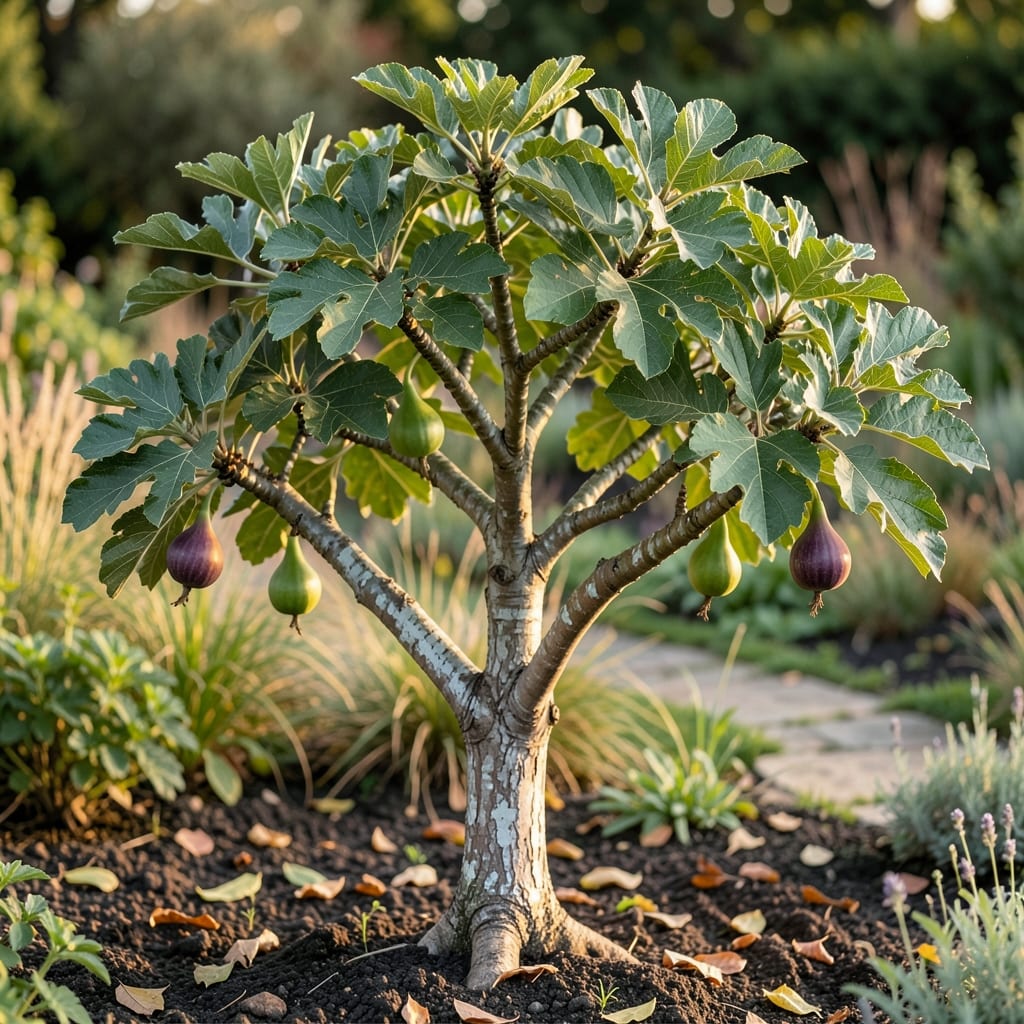
If you’ve ever dreamed of growing a fig tree that can how tall can fig trees grow toward the sky, you’re in for a surprise—some varieties can reach heights of 100 feet or more! But before you picture a towering giant in your backyard, here’s the twist: with the right pruning and variety selection, you can easily keep one at a manageable size—even in containers.
Fig trees are one of nature’s most versatile plants, offering everything from dwarf varieties under 6 feet to sprawling giants that need space to shine. Whether you’re working with a small urban balcony or a spacious rural garden, understanding how tall your fig tree can grow is the first step to creating the perfect fit for your space.
In this guide, I’ll break down the height ranges of popular fig varieties, share proven pruning techniques to control growth, and even show you how to grow a fig tree indoors without sacrificing fruit productivity. Ready to discover the perfect size for your fig tree? Let’s dive in.
From selecting the right variety for your climate to mastering pruning strategies, you’ll learn exactly how to manage your fig tree’s height—so you can enjoy fresh fruit without the hassle of a runaway giant. Let’s get started!


Fig tree height by variety: from dwarf to giant species explained
Fig trees are nature's shape-shifters—some stay small enough for patio pots while others become towering giants in the landscape. The mature height depends entirely on the variety, with dwarf types reaching just 3–6 feet and wild species soaring past 100 feet. Whether you dream of a shade-providing giant or a container-friendly dwarf, choosing the right cultivar is key to managing your fig tree's skyward ambitions.
Most home gardeners grow standard fig varieties like 'Brown Turkey' or 'Celeste', which typically mature between 15–30 feet—tall enough to provide summer shade but manageable with proper pruning. These medium-height trees are perfect for backyard orchards where you want both fruit production and visual impact without sacrificing space for other plants.
For those with limited space, dwarf fig trees are game-changers. Varieties like 'Little Miss Figgy' or 'Violette de Bordeaux' stay under 8 feet even in ground plantings, making them ideal for urban gardens or small yards. These compact cultivars produce abundant fruit while requiring minimal pruning—just the right balance for busy gardeners.
At the opposite end of the spectrum, wild fig species like Ficus carica 'Black Jack' or Ficus sycomorus can grow over 100 feet in ideal conditions. These tropical giants are rarely seen in home gardens but dominate landscapes in Mediterranean climates or USDA Zone 8+, where they thrive without winter dieback.
The rootstock plays a surprising role in height control. Many commercial fig trees are grafted onto dwarfing rootstock like 'Caprifig' or 'Desert King', which naturally restrict top growth by 30–50%. This technique lets growers sell standard-sized trees that stay manageable in home gardens. If you're buying a fig tree, always ask about the rootstock type—it's the secret to controlling your tree's ultimate height.
Climate also influences height dramatically. In mild winter zones like California or Florida, fig trees grow 2–3 times faster than in cooler regions where they experience dormancy. The longer growing season in warm climates allows figs to put more energy into vertical growth, while shorter seasons in Zone 7 or colder may keep trees smaller naturally. Even in cold climates, container-grown figs can reach 10–12 feet with proper winter care.
Don't let height scare you off—fig trees are remarkably adaptable. With the right variety selection and pruning strategy, you can grow a productive fig tree in almost any space. Whether you're dreaming of a 100-foot shade provider or a 6-foot patio centerpiece, there's a fig cultivar perfect for your vision. The key is understanding how each type grows and planning accordingly.
Ready to pick your perfect fig? Start by matching your space constraints with the right cultivar, and
How to control fig tree height: pruning techniques for small spaces
Pruning is your secret weapon for keeping fig trees at your desired height—whether you want a 6-foot patio tree or a 12-foot container specimen. The key is timing and technique. Structural pruning in late winter or early spring, just before new growth begins, sets the foundation for controlled height. This is when you remove water sprouts and suckers that compete with your tree’s main structure, ensuring energy goes toward fruit production rather than vertical growth.
For height reduction, focus on pruning the top third of the tree during late winter. This method, called heading back, encourages bushier growth while limiting upward expansion. Avoid heavy pruning in summer, as this can stimulate vigorous new shoots that may extend height unexpectedly. Instead, perform light maintenance pruning after harvest to shape the tree and remove any branches that threaten to make it too tall.
Container-grown fig trees need special attention. Since pots restrict root growth, your tree will naturally stay shorter—but you can further control height by pruning back one-third of the canopy annually in early spring. This keeps the tree compact while encouraging a denser, fruit-bearing structure. Remember, container figs often grow 20–30% slower than in-ground trees, so you’ll have more flexibility with pruning timing.
🌱 Step-by-Step Pruning Guide for Height Control
- Step 1: Prune in late winter (before buds swell) to remove dead or crossing branches.
- Step 2: Cut back 30% of the canopy to reduce height—focus on the topmost branches.
- Step 3: Remove water sprouts (fast-growing vertical shoots) to prevent height spikes.
- Step 4: Thin out interior branches to improve airflow and fruit access.
- Step 5: After harvest, do light shaping prunes to maintain your desired height.
Avoid these common pruning mistakes that can cause unexpected height growth: pruning too late in the season (after June), removing too many branches at once (which stresses the tree), or ignoring sucker growth at the base. Suckers are aggressive and can quickly turn a 6-foot tree into a 12-foot monster if left unchecked. Always use sharp, clean pruners and disinfect them between cuts to prevent disease spread.
For dwarf varieties like 'Little Miss Figgy', minimal pruning is needed—just remove any overly long branches to maintain a bushy shape. In contrast, standard varieties like 'Celeste' require more aggressive pruning to keep them under 15 feet. The goal is to balance height reduction with fruit production, as heavy pruning can temporarily reduce yields. With practice, you’ll find the sweet spot for your tree’s size and productivity.
Pro tip: Train young fig trees by pruning early to establish a strong central leader or open vase shape. This sets the stage for controlled growth as the tree matures. Whether you’re working with a potted fig or an in-ground tree, consistent pruning keeps your fig tree at the perfect height for your space—without sacrificing those delicious fruits.