
Size
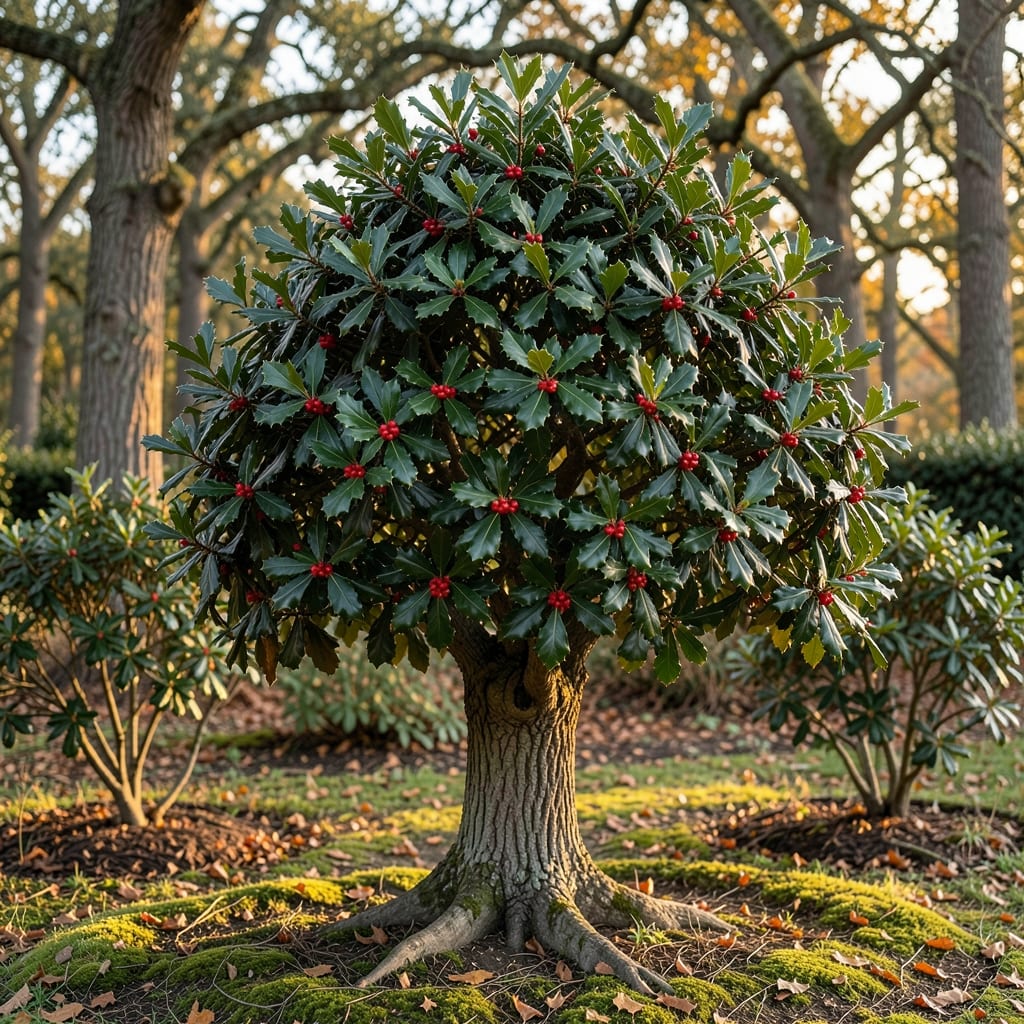
If you're wondering how tall can holly trees grow, the answer might surprise you—these evergreen beauties can range from compact shrubs to towering giants, depending on the variety. Whether you're planning a privacy screen or a statement tree, knowing their mature height helps you choose the perfect fit for your space.
Holly trees like the American holly (🌲) can reach 30-60 feet at maturity, while dwarf varieties stay under 10 feet. That flexibility makes them ideal for everything from small gardens to large landscapes. The key to managing their size lies in understanding each species' growth habits and how factors like pruning and sunlight influence their development.
For those with limited space, certain holly cultivars stay neatly contained, making them perfect for hedges or foundation plantings. Meanwhile, standard varieties can grow taller than a 3-story building, offering dramatic vertical interest. Let’s break down the height ranges by species and share tips for controlling growth if needed.
Whether you're a seasoned gardener or just starting, selecting the right holly tree ensures your landscape stays beautiful without overpowering your yard. Ready to find the perfect match for your space?


Holly tree height by species: from dwarf varieties to towering giants
When planning your landscape, knowing how tall can holly trees grow is essential because their mature size varies wildly between species. Some holly trees stay compact enough for small gardens, while others grow tall enough to rival oak trees. The American holly (Ilex opaca) is the most common variety in North America, often reaching 30-60 feet at maturity, making it ideal for large properties or privacy screens.
On the other end of the spectrum, dwarf holly varieties like ‘Sky Pencil’ or ‘Blue Princess’ typically max out at 8-12 feet, perfect for hedges or foundation plantings. These variations mean you can tailor your holly selection to fit any space—whether you need a towering focal point or a neatly trimmed border.
Here’s a quick look at how holly species compare in terms of height, so you can visualize their potential impact on your yard:
The American holly is the tallest-growing variety, often surpassing 50 feet in ideal conditions, while English holly tends to stay slightly shorter, around 20-40 feet. Dwarf varieties like ‘Sky Pencil’ are perfect for urban gardens or patios where space is limited. If you’re aiming for a privacy screen, taller varieties like ‘Fosteri’ (a hybrid) can reach 25-35 feet while maintaining a dense, bushy form.
One thing to note: holly trees grow at a moderate pace, typically adding 1-2 feet per year in ideal conditions. This gradual growth means you won’t see dramatic changes overnight, but it also gives you time to plan for their eventual height. For example, a 10-foot dwarf holly planted today could take 5-10 years to reach maturity, depending on care and climate.
If you’re unsure which holly to choose, consider your yard’s layout and how much vertical space you can accommodate. A 30-foot holly might overwhelm a small backyard, while a 6-foot dwarf variety could get lost in a large landscape. Always measure your space before selecting a holly tree to avoid regrets later.
For those with limited space, consider pruning techniques to keep even taller varieties in check. Regular trimming can encourage bushier growth and prevent a holly from becoming too leggy. We’ll dive deeper into pruning tips and other factors that influence holly tree height in the next section.
🌿
Holly tree height by species: from dwarf varieties to towering giants
When selecting a holly tree, one of the first questions I ask myself is how tall can holly trees grow—because the answer determines whether it fits my yard or becomes a future pruning project. Holly trees belong to the Ilex genus, and their mature heights can vary dramatically from 3 feet to over 60 feet, depending on the species and cultivar.
The American holly (Ilex opaca) is the classic tall variety, often reaching 30-60 feet with a 20-30 foot spread, making it a natural choice for privacy screens or large landscapes. Meanwhile, the English holly (Ilex aquifolium) typically grows 15-30 feet tall, with some varieties staying more compact.
For smaller spaces, dwarf holly cultivars like 'Blue Princess' or 'Sky Pencil' top out at just 6-10 feet, perfect for hedges or foundation plantings. These varieties maintain their size with minimal pruning, making them ideal for urban gardens or tight corners.
| Variety | Mature Height | Growth Habit | Best For |
|---|---|---|---|
| American Holly (Ilex opaca) | 30-60 ft | Tree-like | Privacy screens, large landscapes |
| English Holly (Ilex aquifolium) | 15-30 ft | Tree or shrub | Ornamental focal points |
| 'Blue Princess' Holly | 6-10 ft | Shrub | Hedges, small gardens |
| 'Sky Pencil' Holly | 8-12 ft | Columnar | Narrow spaces, vertical accents |
| 'Dwarf Burford' Holly | 3-5 ft | Bushy shrub | Container gardening, borders |
Another factor to consider is the growth rate. Fast-growing varieties like the American holly can add 1-2 feet per year in ideal conditions, while slower-growing types like 'Dwarf Burford' may only gain 6 inches annually. This difference is crucial if you're planning for quick privacy or long-term landscape development.
If you're torn between a tree-like holly and a shrub-like variety, remember that some hollies—like the 'Hillside Blue'—can be trained as either, depending on how you prune them. This versatility makes hollies a fantastic choice for creative garden design.
For those with limited space, I always recommend starting with a dwarf or semi-dwarf cultivar—they require less maintenance and fit neatly into smaller yards. But if you have room to spare, a standard holly tree can become a stunning focal point for decades to come.