
Vegetables
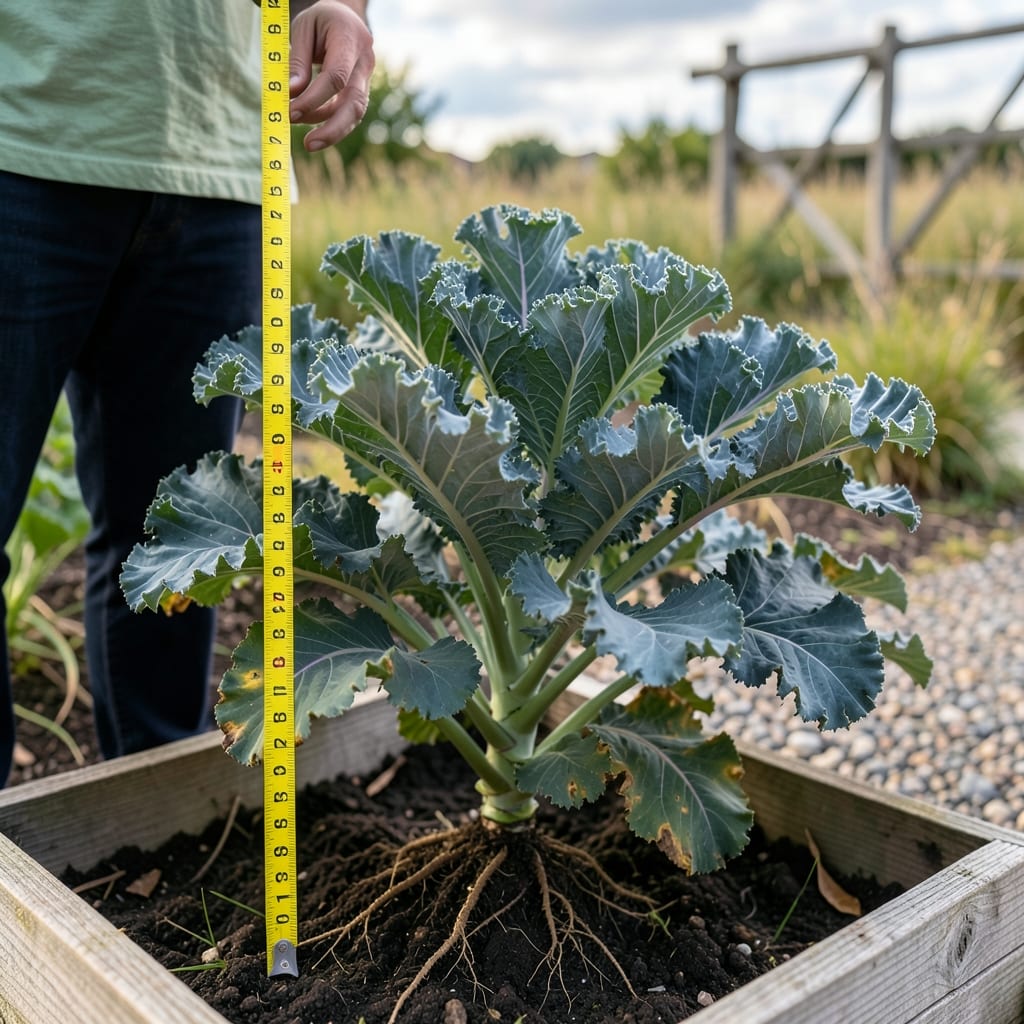
If you're wondering how tall can kale grow, the answer might surprise you—because some varieties stretch toward the sky like towering sentinels, while others stay compact enough to tuck neatly into containers. Whether you're planning a backyard garden or a windowsill plot, understanding your kale's potential height helps you design space efficiently and maximize harvests.
Kale isn't one-size-fits-all: curly kale might reach 2-3 feet tall, while dwarf varieties stay under a foot, making them perfect for small spaces. The key to managing height lies in choosing the right variety for your garden's layout and climate. In USDA Zone 6a, where frost dates frame your growing window, timing matters just as much as variety selection.
But here's the thing: taller kale isn't always better. While some gardeners love the dramatic look of 3-foot stalks, others prefer the convenience of shorter plants that require less staking. The good news? With the right pruning techniques and support, you can influence growth patterns to suit your needs—whether that means bushier plants or taller stems for continuous harvesting.
Ready to grow kale that fits your space perfectly? I'll walk you through the height ranges of popular varieties, when to expect mature plants, and how to keep them thriving—no matter how much vertical room you have. Let's get started.

Kale growth heights by variety: from dwarf to towering giants
When you're planning your garden, knowing how tall can kale grow helps you decide whether to dedicate a corner to towering stalks or tuck compact varieties into containers. Kale varieties range from dwarf types under a foot to tall giants reaching 3 feet, each with distinct growth habits. The variety you choose directly impacts your harvest strategy, space needs, and even how you support the plants as they mature.
For example, Dwarf Blue Curled kale stays between 8-12 inches tall, making it ideal for small gardens or container growing, while Winterbor kale can stretch up to 3 feet when given optimal conditions. Understanding these differences lets you tailor your garden layout to maximize both space and yield. Let’s break down the height ranges and growth habits of the most popular kale varieties.
| Variety | Height Range | Growth Habit | Best For |
|---|---|---|---|
| Dwarf Blue Curled | 8-12 inches | Compact, bushy | Containers, small gardens |
| Red Russian | 12-18 inches | Loose-leaf, sprawling | Cut-and-come-again harvests |
| Winterbor | 2-3 feet | Tall, sturdy stems | Full sun, cold climates |
| Lacinato (Dinosaur Kale) | 18-24 inches | Semi-upright, broad leaves | Gourmet cooking, long harvests |
| Vates (Blue Scotch) | 2-3 feet | Tall, curly leaves | Cold-hardy, late-season |
If you're growing kale in USDA Zone 6a, where frost dates are critical, timing your plantings can influence height. For instance, Winterbor kale, which thrives in cooler weather, may grow taller and more robust when planted in early spring or late summer. In contrast, Red Russian kale, which is more heat-tolerant, might stay shorter in hot summers but produce more leaves for harvest.
Another factor to consider is whether you're growing loose-leaf kale or heading kale. Loose-leaf varieties like Red Russian spread out, staying shorter but wider, while heading types like Winterbor grow taller with a more upright structure. This distinction affects not only height but also how you harvest—loose-leaf types allow for continuous cutting, while heading kale is typically harvested whole once mature.
For gardeners with limited space, dwarf varieties are a game-changer. They fit perfectly in 5-gallon containers or even hanging baskets, producing edible leaves without taking up valuable ground space. Meanwhile, taller varieties can add vertical interest to your garden beds, especially when paired with trellises or stakes. The key is matching the variety to your garden’s layout and your harvesting goals.
One common misconception is that taller kale always means better harvests. While some varieties like Winterbor produce larger individual leaves, shorter varieties often yield more frequently when harvested correctly. For example, a Dwarf Blue Curled plant might give you multiple harvests over several weeks, whereas a Vates kale plant might produce fewer but larger leaves over a shorter period.
To maximize your harvest regardless of height, focus on pruning techniques that encourage bushier growth. Pinching back the tips of young plants can stimulate side shoots, leading to more leaves and a fuller plant—even in taller varieties. This method works particularly well for Lacinato kale, which can become leggy if not pruned regularly. I’ll cover pruning strategies in detail in the next section, but for now, remember that even the tallest kale can be coaxed into producing more leaves with the right care.
If you're still unsure which variety to choose, consider your garden’s microclimate. Tall kale varieties thrive in cooler, sunnier spots, while shorter types can tolerate partial shade better. Observing how your existing plants grow can help you predict which varieties will flourish in your space. For instance, if your garden gets intense afternoon sun, a Red Russian might struggle to reach its full height but could still produce abundant leaves.
Finally, don’t overlook the role of soil fertility in influencing height. Kale grown in nutrient-rich soil tends to develop stronger stems and larger leaves, which can make plants appear taller. Amending your soil with compost or a balanced fertilizer before planting sets the stage for optimal growth. In my experience, kale grown in well-draining, organic-rich soil not only reaches its expected height but also produces leaves that are more flavorful and tender.
How to control kale height: pruning, staking, and seasonal tips
Once you’ve chosen your kale variety, the next step is managing its height to ensure a productive harvest without overcrowding. Whether you’re dealing with towering Winterbor or compact Dwarf Blue Curled, strategic pruning and support can make all the difference. The key is understanding when and how to intervene—because kale left to its own devices can become leggy, woody, or even bolt prematurely, especially in warm weather.
For tall kale varieties like Vates or Lacinato, pruning isn’t just about height control—it’s about encouraging bushier growth. Start by pinching off the top few leaves when plants are about 6 inches tall. This simple technique signals the plant to branch out, producing more side shoots and a fuller, more productive structure. I’ve found that this method works particularly well for Lacinato kale, which can become sparse if left unchecked.
- Prune early: Pinch tips at 6" to encourage branching.
- Harvest outer leaves: Promotes regrowth without stressing the plant.
- Stake tall varieties: Use bamboo stakes for Winterbor or Vates.
- Avoid over-fertilizing: Too much nitrogen = leggy growth.
- Mulch heavily: Keeps roots cool and conserves moisture.
Seasonal adjustments are equally important. In USDA Zone 6a, where summer heat can trigger bolting, I recommend harvesting leaves more aggressively during warm months to keep plants productive. For fall plantings, however, you can let taller varieties like Winterbor mature fully—the cooler temperatures slow growth, allowing stems to develop properly. Just be mindful of frost dates: if a hard freeze is coming, harvest the entire plant before the leaves turn bitter.
When it comes to support, don’t underestimate the power of simple stakes or cages. Tall kale varieties often benefit from bamboo stakes or wire mesh cages, especially in windy areas. I’ve used repurposed tomato cages for Winterbor kale with great success—they prevent stems from flopping over while allowing leaves to spread naturally. For container-grown kale, even a small plant tie can keep leggy stems upright, making harvesting easier.
One common mistake is waiting too long to prune. If your kale starts developing woody stems or hollow centers, it’s often a sign of neglected maintenance. To fix this, trim back the oldest growth and focus on younger, more tender leaves. This not only resets the plant’s growth cycle but also improves flavor—older, woody leaves are less palatable. For Red Russian kale, which spreads wide, I recommend a "cut-and-come-again" approach, harvesting leaves every 2-3 weeks to encourage continuous production.
Finally, pay attention to your kale’s watering routine. Inconsistent moisture can lead to uneven growth, with some stems stretching taller in search of water. Aim for 1-2 inches of water per week, delivered in the morning to reduce evaporation. In containers, kale may dry out faster, so check soil moisture daily during hot spells. Proper hydration keeps stems sturdy and leaves lush, reducing the need for excessive pruning or staking.
With these techniques, you can keep your kale at an ideal height—whether that means bushy, compact plants for small spaces or tall, productive stalks for continuous harvests. The secret lies in balancing pruning, support, and seasonal care to match your garden’s unique conditions. And remember: even the tallest kale can be managed with the right approach! 🌿