
Size
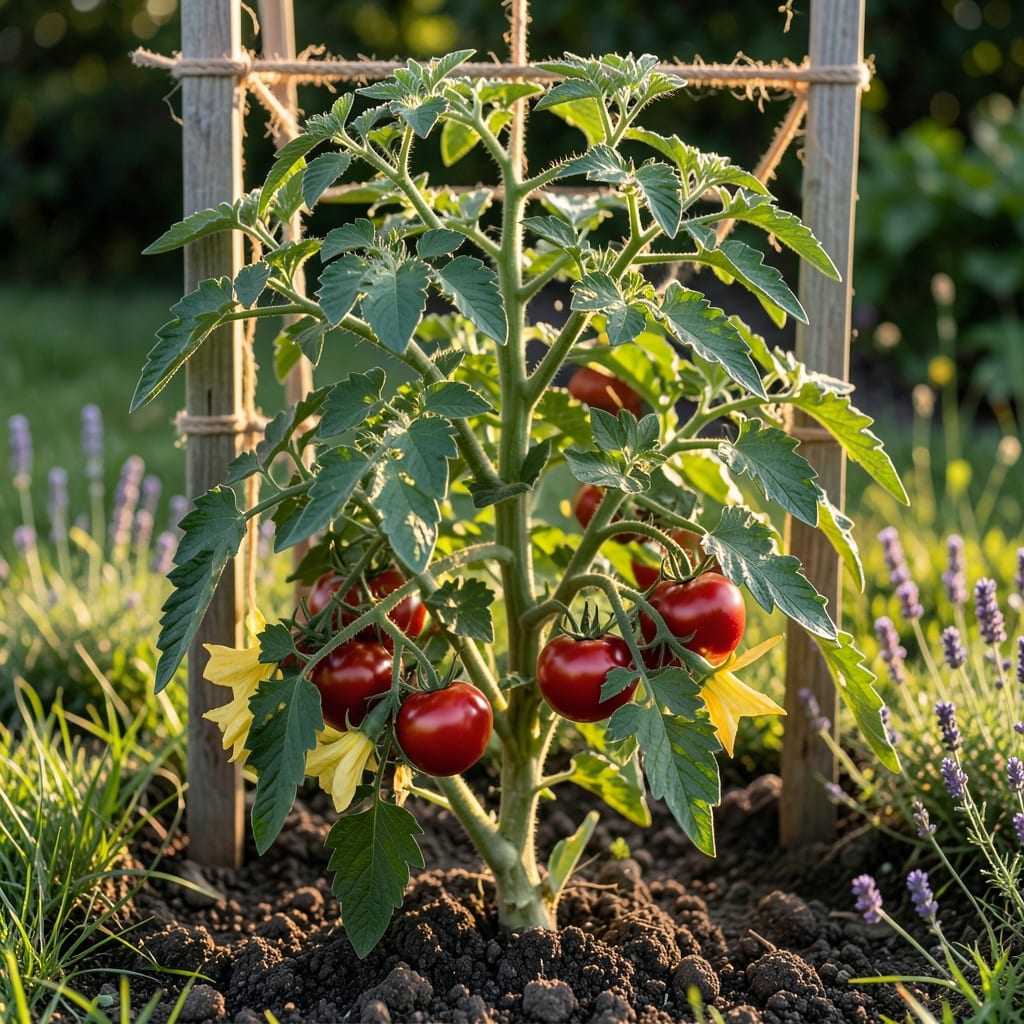
If you're wondering how tall do beefsteak tomato plants grow, the answer might surprise you—these giants can reach 6 feet or more when given the right care! Whether you're planning a backyard garden or container setup, understanding their growth habits is key to maximizing your harvest.
Beefsteak tomatoes come in two main types: indeterminate varieties that keep growing all season (like 'Brandywine') and determinate ones that stay bushier (around 3-4 feet). The difference affects everything from spacing to support needs, so let's break down what you need to know for your 🍅 plants to thrive.
For taller varieties, proper support—like sturdy cages or trellises—isn't just helpful; it's essential to prevent sprawling and disease. Even smaller types benefit from a little guidance to keep fruit off the ground. I'll show you exactly how to set up support early, so your plants grow strong and healthy from day one.
Ready to grow bigger, juicier tomatoes? Let's dive into the details—from variety-specific heights to the best pruning and spacing tips—so you can enjoy a bountiful harvest all season long.


Beefsteak tomato plant heights by variety: from compact to sky-high
Beefsteak tomatoes are famous for their massive fruit size, but their plant heights vary dramatically depending on the variety. Indeterminate types—like the classic 'Brandywine'—can climb to 6-8 feet or taller, while determinate varieties like 'Big Beef' stay around 3-4 feet. This difference isn’t just about aesthetics; it impacts everything from garden layout to support needs.
If you're working with limited space, compact beefsteak varieties are your best bet. For example, 'Cherokee Purple' (indeterminate) typically reaches 5-6 feet, while 'Mountain Merit' (determinate) maxes out at 3-4 feet. Even within indeterminate types, growth habits differ—some sprawl aggressively, while others grow more upright with proper pruning.
Container growers take note: most beefsteak tomatoes need at least 5-gallon pots to support their root systems. Indeterminate varieties may require 10-gallon containers or larger to prevent root binding, which stunts growth. Always check the variety’s tag for specific recommendations, as some breeders develop dwarf or bushier versions of traditional beefsteaks.
Now, let’s break down the key differences in a quick reference table so you can pick the perfect variety for your garden setup.
For container gardening, prioritize determinate varieties or dwarf indeterminate types. Even then, plan for 12–18 inches of vertical space per plant to accommodate fruit weight. If you’re growing indeterminate beefsteaks in pots, consider flipping the container to a trellis as the plant matures—this saves space and improves air circulation.
Pro tip: If you love the flavor of beefsteaks but hate the mess, try 'Better Boy' or 'Celebrity'—they’re hybrid indeterminate varieties that stay slightly more compact (5–6 feet) while producing 2-pound fruits. These are perfect for small-space gardens with minimal pruning.
Remember, pruning can influence height. Regularly pinching suckers (the shoots in the leaf axils) encourages bushier growth in indeterminate types, while letting them grow freely results in taller, leggier plants. Balance is key—too much pruning reduces yield, but too little leads to crowded foliage and disease risks.
Whether you're planning a backyard jungle or a balcony oasis, choosing the right beefsteak variety for your space—and providing the right support—will set you up for a season of juicy, homegrown tomatoes that put store-bought to shame.
Beefsteak tomato plant heights by variety: from compact to sky-high
Beefsteak tomatoes are famous for their massive fruit size, but their plant heights vary dramatically depending on the variety. Indeterminate types like 'Brandywine' can climb 6-8 feet tall, while determinate varieties such as 'Big Beef' stay around 3-4 feet. Knowing these differences helps you plan spacing, support, and even container sizes for your garden.
For indeterminate beefsteaks, expect continuous vertical growth all season—some even reach 10 feet in ideal conditions! These vining varieties need strong trellises or cages to prevent sprawling. Meanwhile, determinate types grow bushier and stop at a predictable height, making them better for smaller spaces or containers.
| Variety | Type | Mature Height | Best For |
|---|---|---|---|
| Brandywine | Indeterminate | 6-8 ft | Trellises, large gardens |
| Big Beef | Determinate | 3-4 ft | Containers, small spaces |
| Cherokee Purple | td style="padding: 10px; border-bottom: 1px solid #2D5A3D;">Indeterminate5-7 ft | Vertical gardens, trellises | |
| Mountain Merit | Determinate | 3-4 ft | Cages, small plots |
If you're growing beefsteaks in containers, choose determinate varieties or dwarf indeterminate types like 'Tumbling Tom', which stays under 3 feet but produces 1-pound fruits. For in-ground gardens, indeterminate varieties thrive with 2-3 feet of space between plants to accommodate their sprawling growth.
Pro tip: Prune suckers (the shoots in leaf axils) to control height and direct energy to fruit production. For tall varieties, remove lower leaves to improve airflow and reduce disease risk. This keeps your plants 6-8 feet tall but more manageable and productive.
Remember, soil quality and sunlight also impact height—poor soil or shade can stunt growth, while rich compost and full sun encourage those towering vines. Start with well-draining soil mixed with compost for the best results.
For container growers, opt for 5-gallon pots or larger to accommodate root growth, especially for indeterminate types. Smaller containers work for determinate varieties but may limit overall plant size. Always use pots with drainage holes to prevent root rot.