
Size
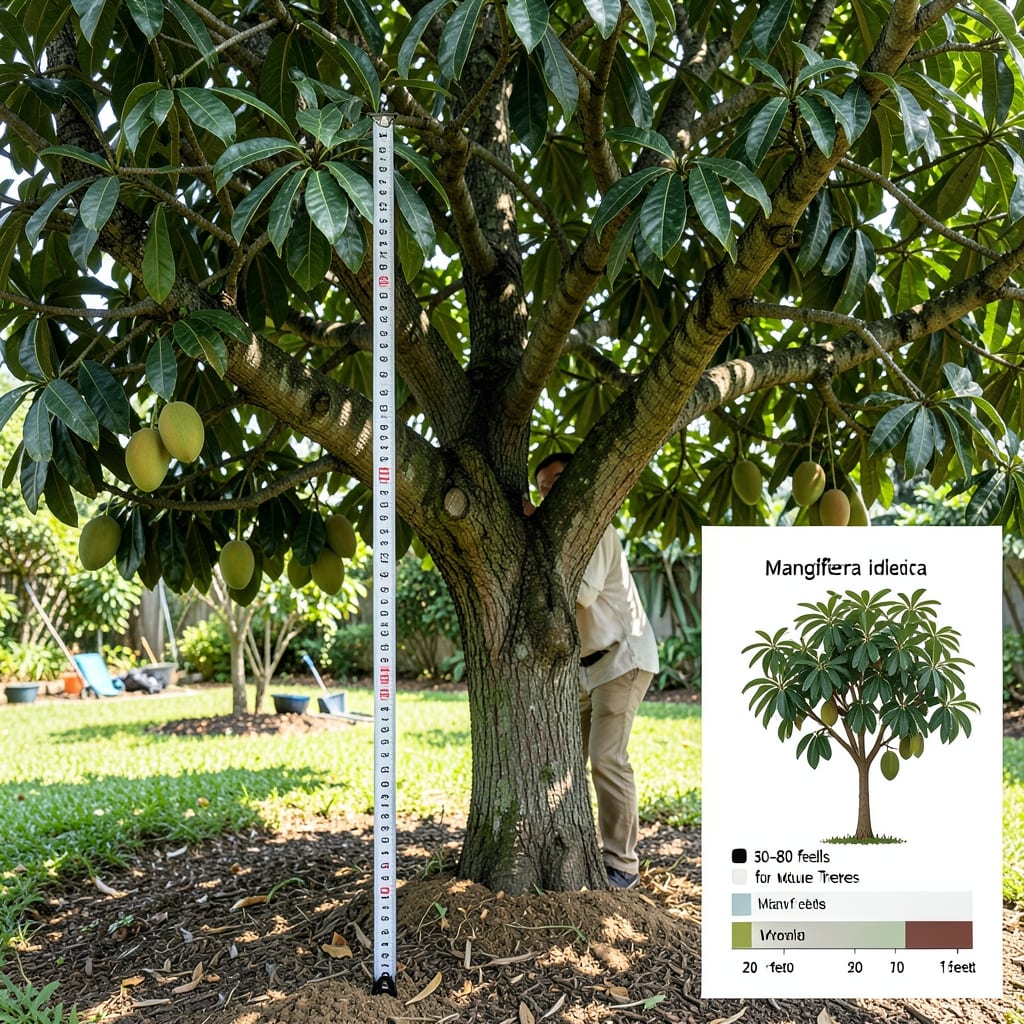
If you’ve ever wondered how tall can mango trees grow, the answer might surprise you—these tropical beauties 🥭 can stretch from compact backyard sizes to towering giants that dwarf your house. Whether you’re dreaming of a shady canopy or a fruit-laden tree in a container, the height depends on more than just genetics.
Most mango trees thrive in General (Tropical/Subtropical) zones like 10-11, where they naturally reach 60-100 feet if left unchecked. But here’s the good news: dwarf varieties stay between 6-10 feet, perfect for urban gardens or patios. The key? Choosing the right variety and pruning early to shape growth.
Climate, soil, and even your pruning habits play a huge role—too much shade or poor drainage can stunt growth, while ideal conditions let them soar. We’ll break down the best varieties for small spaces and how to keep your mango tree at your desired height, whether that’s a 10-foot container tree or a 30-foot backyard staple.
Ready to grow your own? Let’s explore the heights, tricks, and care tips to turn your mango tree into the perfect fit for your garden—no matter how big (or small) you want it to be.


Mango tree height by variety: from dwarf to giant sizes
Mango trees 🥭 are famous for their dramatic height range, from 6-foot container dwarfs to 100-foot tropical giants. The variety you choose determines whether your tree stays compact or stretches toward the sky. For urban gardens, dwarf varieties like 'Cogshall' or 'Julie' max out at 10-15 feet, while traditional types like 'Haden' or 'Keitt' reach 30-50 feet in ideal conditions.
If you're in USDA zones 10-11, expect full-sized trees to thrive—some even surpassing 60 feet in tropical climates. But here’s the secret: grafting onto dwarf rootstock can shrink even large varieties by 50%. This technique is how nurseries create 15-foot patio trees from standard varieties.
For small spaces, look for 'Little Gem' (15-25 ft) or 'Ice Cream' (12-18 ft), both bred for manageable heights. These stay true to size even without pruning, making them perfect for backyard orchards or large containers.
In cooler microclimates (zone 9b), growth slows naturally—expect 20-30 feet for standard types unless you prune aggressively. The trade-off? Slower growth often means smaller fruit, but regular pruning can maintain both size and productivity.
| Variety | Mature Height | Best For | Notes |
|---|---|---|---|
| 'Cogshall' | 6-10 ft | Containers, patios | Dwarf; sweet, small fruit |
| 'Julie' | 8-12 ft | Urban gardens | Cold-hardy dwarf; early bearer |
| 'Little Gem' | 15-25 ft | Backyards, small orchards | Narrow canopy; disease-resistant |
| 'Haden' | 30-50 ft | Rural properties | Standard size; popular for fruit |
| 'Keitt' | 40-60 ft | Tropical climates | Large fruit; needs space |
| 'Ice Cream' | 12-18 ft | Containers, patios | Cold-tolerant; creamy flesh |
🌱 Pro Tip: Grafting onto 'Julie' or 'Cogshall' rootstock can shrink any variety by 30-50%.
If you're planting in containers, prioritize 'Cogshall' or 'Ice Cream'—both thrive in 15-20 gallon pots with proper drainage. Just remember: container trees need 50% more frequent watering than ground-planted ones, especially in summer heat.
For maximum height control, combine dwarf rootstock with annual pruning. Trim 1/3 of new growth in late winter to encourage bushier shapes. This keeps 'Haden' or 'Keitt' at 20-30 feet instead of their natural 50+ feet.
In tropical climates, even dwarf varieties may grow 20-30% taller due to year-round warmth and rich soil. To offset this, prune twice yearly—once in spring to shape and again in fall to remove water sprouts.
Whether you want a shade tree, a fruit-bearing patio tree,
Mango tree height by variety: from dwarf to giant sizes
Not all mango trees are created equal—some stay small enough for patios, while others reach three stories tall in tropical climates. The variety you choose determines whether your tree becomes a 6-foot container star or a 100-foot shade giant. For backyard gardens, dwarf varieties like 'Cogshall' or 'Julie' top out at 10-15 feet, making them ideal for urban spaces.
Most home gardeners opt for semi-dwarf varieties (15-25 feet), such as 'Keitt' or 'Haden', which balance fruit production with manageable height. These thrive in USDA Zones 10-11 and can even handle Zone 9b with microclimate protection, like windbreaks or greenhouse setups.
If you're in a tropical climate with no frost risk, standard varieties like 'Alphonso' or 'Kent' will grow 60-100 feet tall—think rainforest giants! These need ample space and professional pruning to maintain safety and fruit access. For container growing, grafted dwarf rootstocks are your best bet to keep heights under 10 feet.
For container growing, choose varieties grafted onto dwarfing rootstocks like 'Cogshall' or 'Ice Cream'—these stay under 10 feet even in pots. Just ensure your container is at least 24 inches wide and has drainage holes to prevent root rot. In ground planting, semi-dwarf varieties like 'Kent' or 'Tommy Atkins' offer a happy medium, reaching 20-30 feet with proper pruning.
Pro tip: If you love large mangoes but limited space, opt for semi-dwarf varieties and prune annually to control height. A well-pruned tree can produce high-quality fruit while staying under 25 feet. Just avoid heavy pruning in flowering season, as this can reduce fruit set.
Remember, even dwarf varieties need full sun (6+ hours daily) and well-draining soil to reach their potential. Skip the shade—mango trees hate partial shade and may grow leggy or produce poorly. With the right variety and care, you can enjoy homegrown mangoes without sacrificing your garden’s layout!